
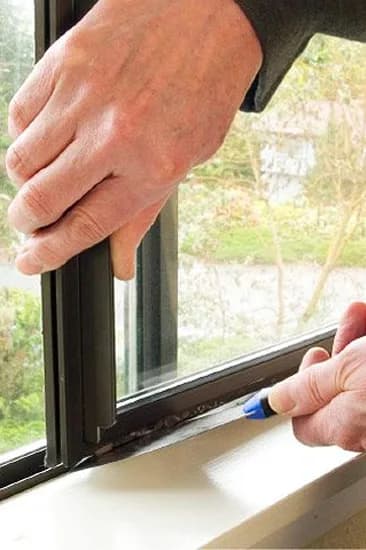
Strongest wind-load ratings in residential
Heavier extrusion + rigid frame geometry passes the ASCE 7 Exposure D wind calc on coastal openings where vinyl falls short. Required by code on most oceanfront installs.
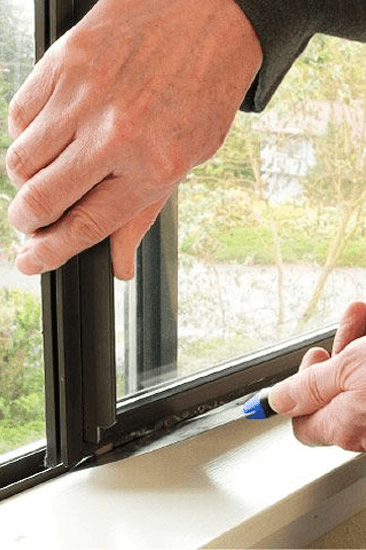
Aluminum-frame impact windows offer the slimmest sightlines and the strongest wind-load ratings of any residential impact-window product — required on coastal-exposure installs and high-rise homes where the engineer specs aluminum based on the ASCE 7 wind calculation. SafeGuard installs aluminum impact windows across PGT WinGuard Aluminum, CGI Sparta, and ES Windows Elite under FL DBPR CGC1532033.
Reviews
Coastal + custom + high-rise
Heavier extrusion + rigid frame geometry passes the ASCE 7 Exposure D wind calc on coastal openings where vinyl falls short. Required by code on most oceanfront installs.
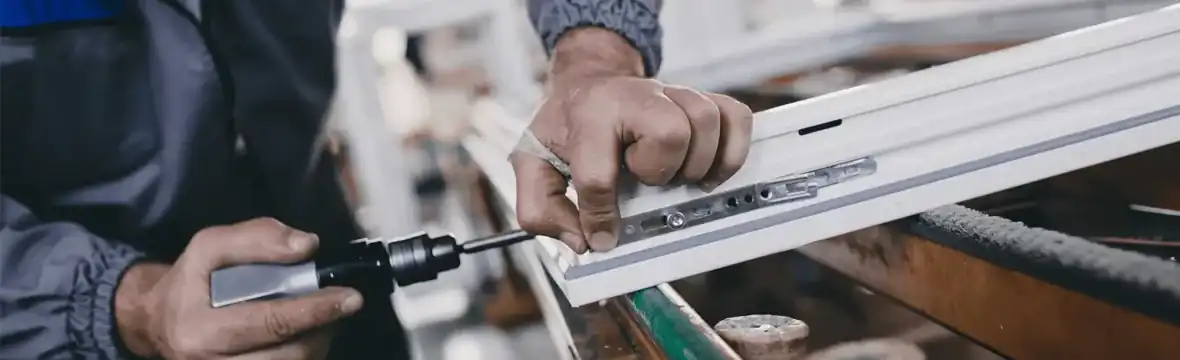
2-3 inch frame profile vs 3-4 inch vinyl — more glass area, cleaner architectural look. Anodized + powder-coat finishes available across the full architectural palette.
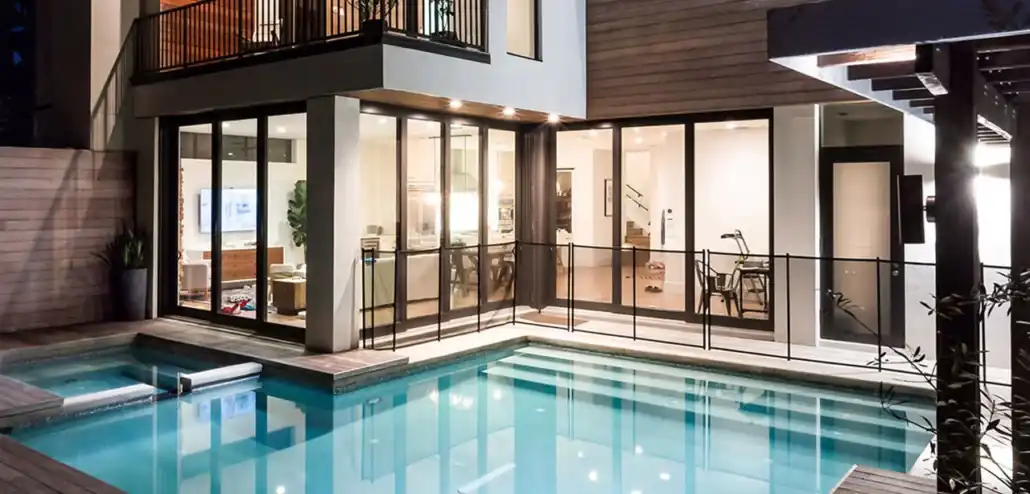
We run the wind-load calculation as part of the engineering submittal. Vinyl where the calc passes (lower cost), aluminum where it doesn't. Hybrid installs are common.
At a Glance
Not every impact window is built for the same storm. Vinyl frames handle inland neighborhoods well — but once you're on the coast, sitting in ASCE 7 Exposure D territory, the wind-load numbers often outpace what vinyl can structurally deliver. Aluminum impact windows exist to solve that problem. Extruded aluminum framing, thermally broken to manage heat transfer, paired with HVHZ-rated laminated glass — this is what South Florida's oceanfront homes, high-rises, and architecturally demanding projects typically require. SafeGuard installs the full range, from PGT WinGuard Aluminum to CGI Sparta and Sentinel to the ES Windows Elite and Prestige lines. If you're starting the research phase, the impact windows installation pillar covers HVHZ code requirements and the full install pathway from permit to inspection.
The Florida Building Code divides wind-exposure risk into categories defined by ASCE 7 — the American Society of Civil Engineers' wind-load standard that every structural engineer and permit reviewer in Florida references. Exposure C covers open terrain with scattered obstructions — most suburban and inland neighborhoods. Exposure D is the coastal fringe: open water, shorelines, and land immediately adjacent to them. Wind pressures in Exposure D run roughly 25–40% higher than those calculated for the same structure in Exposure C. That gap is significant. A vinyl-frame window that passes the design-pressure test for an inland Hialeah installation may not generate enough structural resistance to clear the numbers on a Jupiter Island oceanfront.
Aluminum framing is inherently stiffer than vinyl at equivalent wall thickness. The engineering shows up in the Miami-Dade NOA (Notice of Acceptance) numbers — you can look up any product's tested positive and negative design pressures in the Miami-Dade Notice of Acceptance database. Aluminum products consistently post higher DP ratings at narrower frame depths, which is exactly what an exposure-critical site demands. For a broader look at how frame type affects product selection, the types of impact windows guide breaks down every configuration in detail.
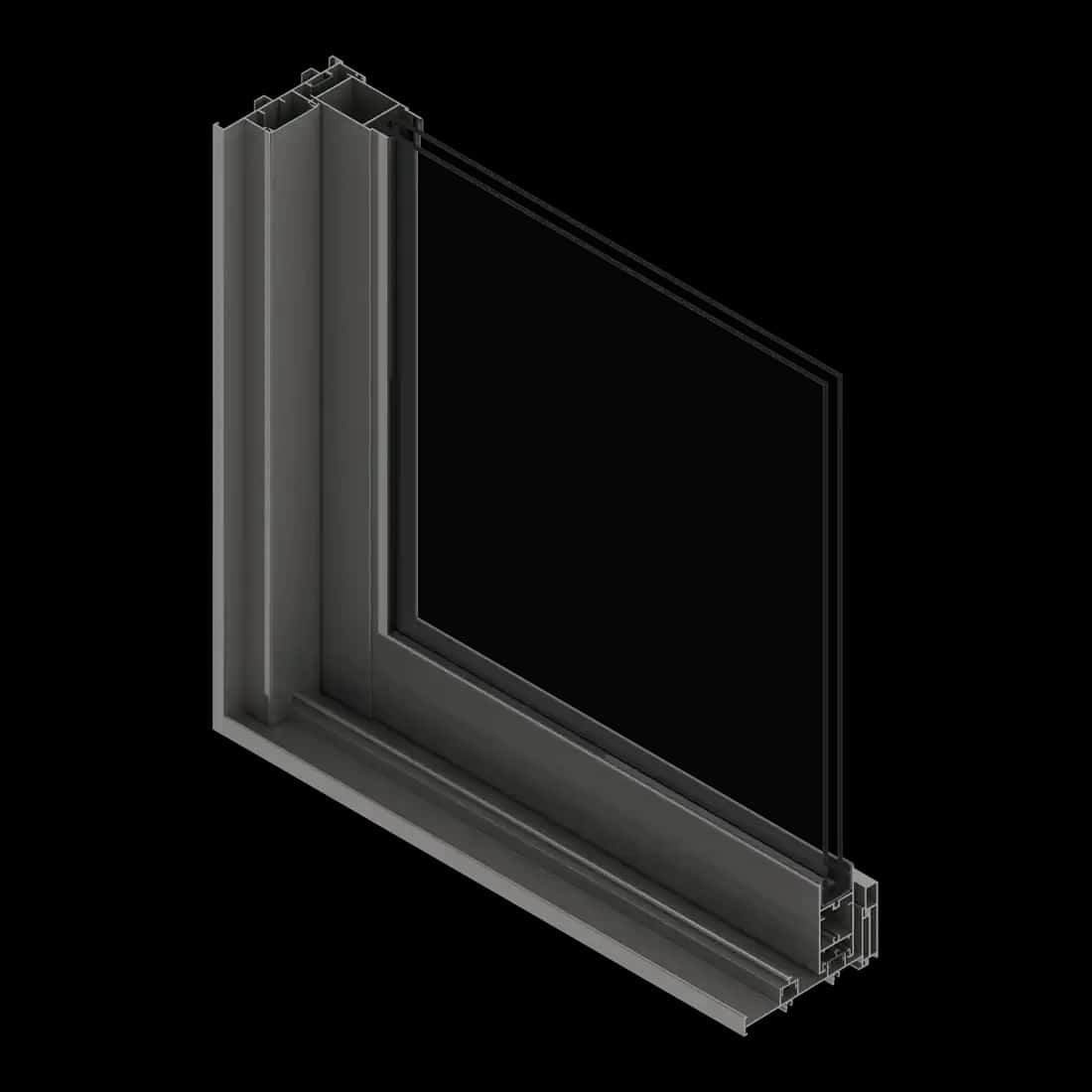
Profiles are extruded — not roll-formed — meaning the wall thickness and internal web geometry are engineered for load, not just shape. Commercial-grade alloys are standard across all the lines we install.
A polymer separator runs the length of the frame, isolating the interior aluminum from the exterior. Without a thermal break, aluminum conducts heat directly into the home; modern products match vinyl's insulating performance because of this component.
Every unit installed in Miami-Dade or Broward must carry an NOA tested under TAS 201/202/203 — the impact, cyclic, and uniform-load protocols that constitute Florida's High-Velocity Hurricane Zone glazing standard.
Anodized, powder-coated, and full RAL palette finishes are available across most product lines. Aluminum holds applied finishes better than vinyl over decades of UV exposure — no chalking, no fading to off-white.
Frame face widths typically run 2–3 inches on aluminum versus 3–4 inches on vinyl — a meaningful difference on large-format openings or anywhere unobstructed water views are part of the design.
Four manufacturer families cover the aluminum-frame market in South Florida, and each has a different sweet spot.
PGT WinGuard Aluminum is PGT's premium residential tier — made in Venice, Florida, with NOA coverage across the HVHZ line. Lead times are predictable because manufacturing is domestic, and the dealer network is deep enough that replacement hardware is available locally. It's the most commonly specified aluminum product on new-construction residential jobs in Palm Beach County.
CGI fields two aluminum lines that serve different price points. The Sentinel series targets production builders who need volume pricing without sacrificing Miami-Dade NOA compliance. The Sparta is CGI's heavy-wall, commercial-influenced product — thicker frames, higher DP ratings, and a longer track record on oceanfront custom homes. CGI manufactures in Miami, which helps when a damaged unit needs a fast replacement sash.
ES Windows comes out of Tecnoglass's Colombian manufacturing operation and covers the upper end of the architectural aluminum segment. The Elite and Prestige series offer larger-format openings than most domestic lines and carry full Miami-Dade NOA coverage. Lead times run longer than domestic brands — typically 6–10 weeks — but the glass options and frame depths are hard to match on high-design projects.
Eco Window Systems manufactures in Medley, FL and positions itself as the value-tier aluminum option. NOA compliance is solid; the finish range is narrower than ES or CGI Sparta. On whole-home retrofits where the structural engineering requires aluminum but budget is tight, Eco is worth evaluating.
Many homeowners never see the ASCE 7 engineering submittal — they just receive a quote and a product recommendation. That's fine when the site is straightforward, but on coastal and waterfront properties the structural numbers actually determine which products are even eligible. A window can look right, price right, and still fail plan review if the product's Miami-Dade NOA design pressure doesn't meet the calculated demand for that specific opening size, height above grade, and exposure category.
SafeGuard runs the wind-load calc as part of the pre-quote process on every coastal project. Knowing the required DP rating upfront narrows the product list to options that will pass — not options that require a variance. If you want to understand where aluminum sits in the broader cost picture before that conversation, the impact-windows cost in Florida page lays out price tiers by frame material, product line, and opening count. And if you're still weighing whether impact windows are worth the investment at all, impact vs regular windows addresses that question with specifics rather than generalizations.
For projects where financing matters — whole-home installs on older coastal homes can run $30,000–$80,000 in aluminum — we offer financing through underwritten installment plans. We can structure the application before the permit is even pulled.
| Aluminum Frame | Vinyl Frame | |
|---|---|---|
| Wind-Load Rating | Highest available — required for Exposure D coastal sites | Sufficient for most Exposure C (inland) residential jobs |
| Frame Width (sightlines) | 2–3 inches — slimmer, better for large-format openings | 3–4 inches — bulkier frames, more visible sight line |
| Thermal Performance | Matches vinyl when thermally broken; fails without the break | Good baseline insulation; no break needed |
| Finish Options | Anodized, powder-coat, full RAL palette — holds color 40+ years | Factory colors only; prone to UV fade after ~15–20 years |
| Cost | 20–40% premium over equivalent vinyl configurations | Lower upfront cost; replacement cycle shorter |
| Best Fit | Coastal/oceanfront, high-design custom, ASCE 7 Exposure D sites | Inland suburban, budget-constrained whole-home retrofits |
We determine your property's ASCE 7 exposure category, calculate design pressures for each opening by size and height above grade, and identify the minimum Miami-Dade NOA DP rating required. This step often eliminates products from the shortlist before a dollar figure is discussed.
With the structural numbers in hand, we match eligible products from PGT, CGI, ES Windows, or Eco to your opening schedule, aesthetic requirements, and budget. We pull the actual NOA documents — tested under TAS 201/202/203 — and include them in the permit package.
SafeGuard files under our Florida General Contractor license (CGC1532033). Drawings, product approvals, and the engineering submittal go to the building department together. Coastal jurisdictions like Miami-Dade and Broward typically require 2–4 weeks for permit review.
Aluminum windows are made-to-order. Lead times range from 3–5 weeks for domestic lines (PGT, CGI, Eco) to 6–10 weeks for ES Windows. We confirm the install date once product ships and coordinate any HOA or condo board access requirements.
Frames go in with anchoring schedules that match the engineer-stamped drawings. After rough-in, we call for the building department inspection — the inspector verifies anchoring, flashing, and glazing compliance before we close out the permit. You receive the signed-off permit card.
Aluminum impact work on coastal homes is not a place to cut corners on licensing. The Florida DBPR contractor lookup lets you verify any installer's active license status in under two minutes. SafeGuard holds both a General Contractor license (CGC1532033) and a Roofing Contractor license (CCC1336241) — both active in Florida DBPR. We pull our own permits, which means the inspection trail follows the job and protects you at resale.
A common red flag: a quote that does not include permit and inspection fees in the line items. In Miami-Dade and Broward counties, permits on aluminum impact window projects are required without exception. Any contractor who offers to 'skip the permit to save money' is transferring the liability to you — and unpermitted work voids homeowner's insurance claims after a storm, which defeats the entire purpose of the upgrade.
From our project library
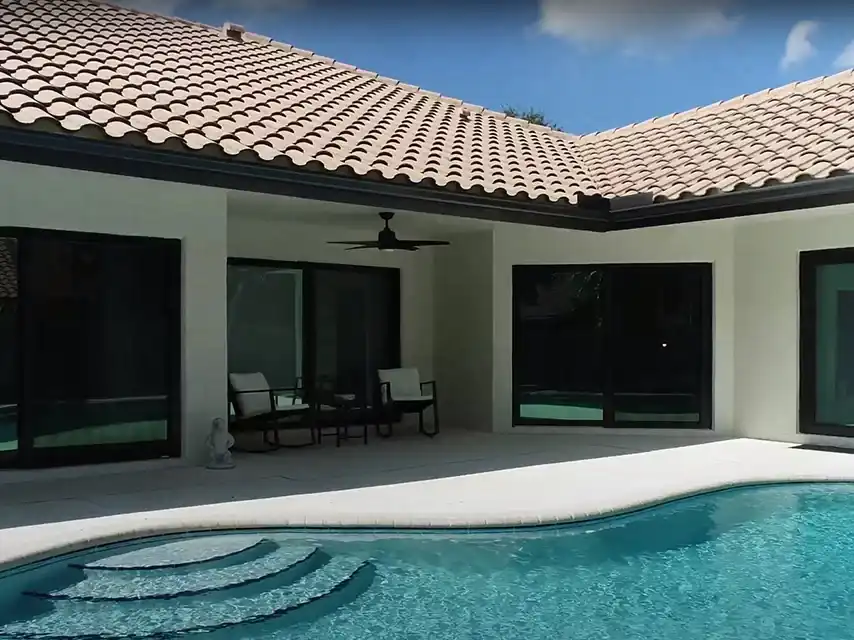
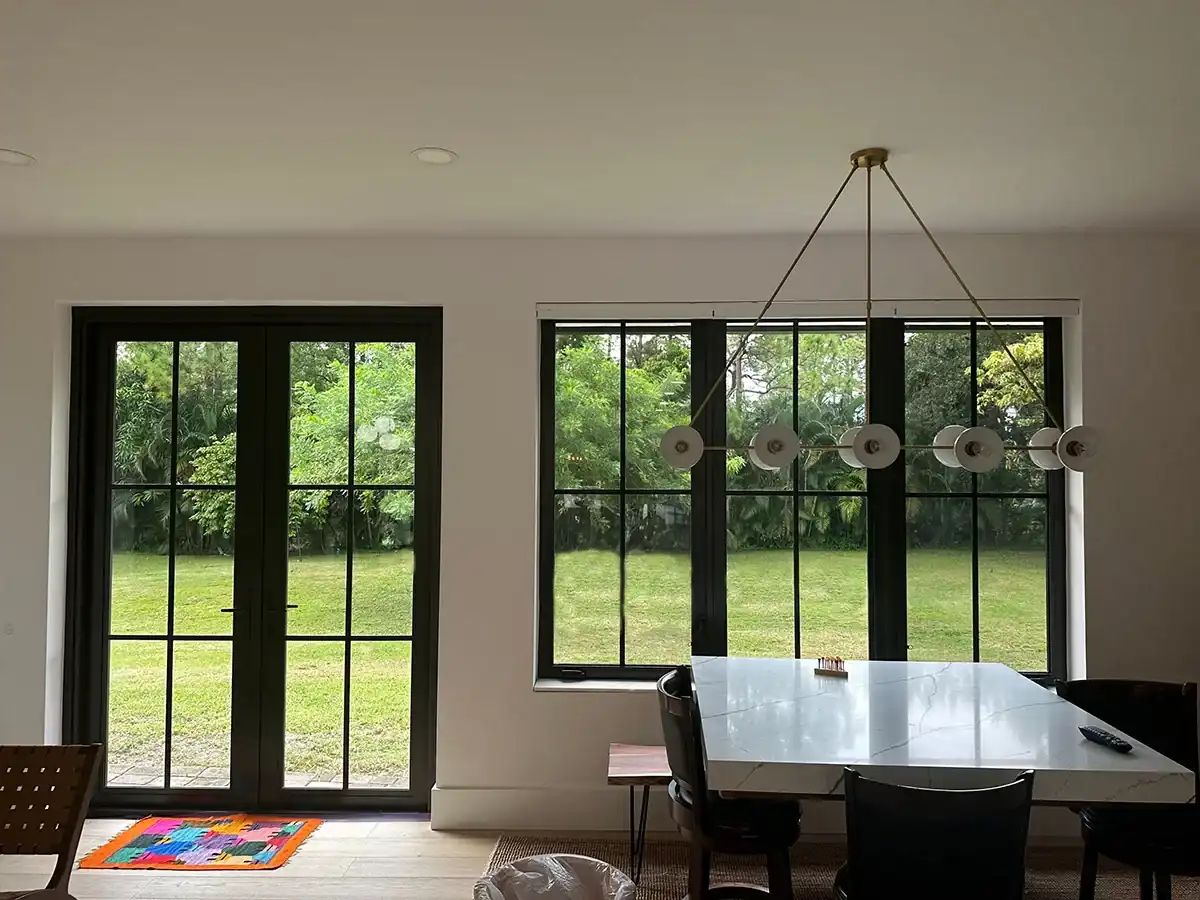
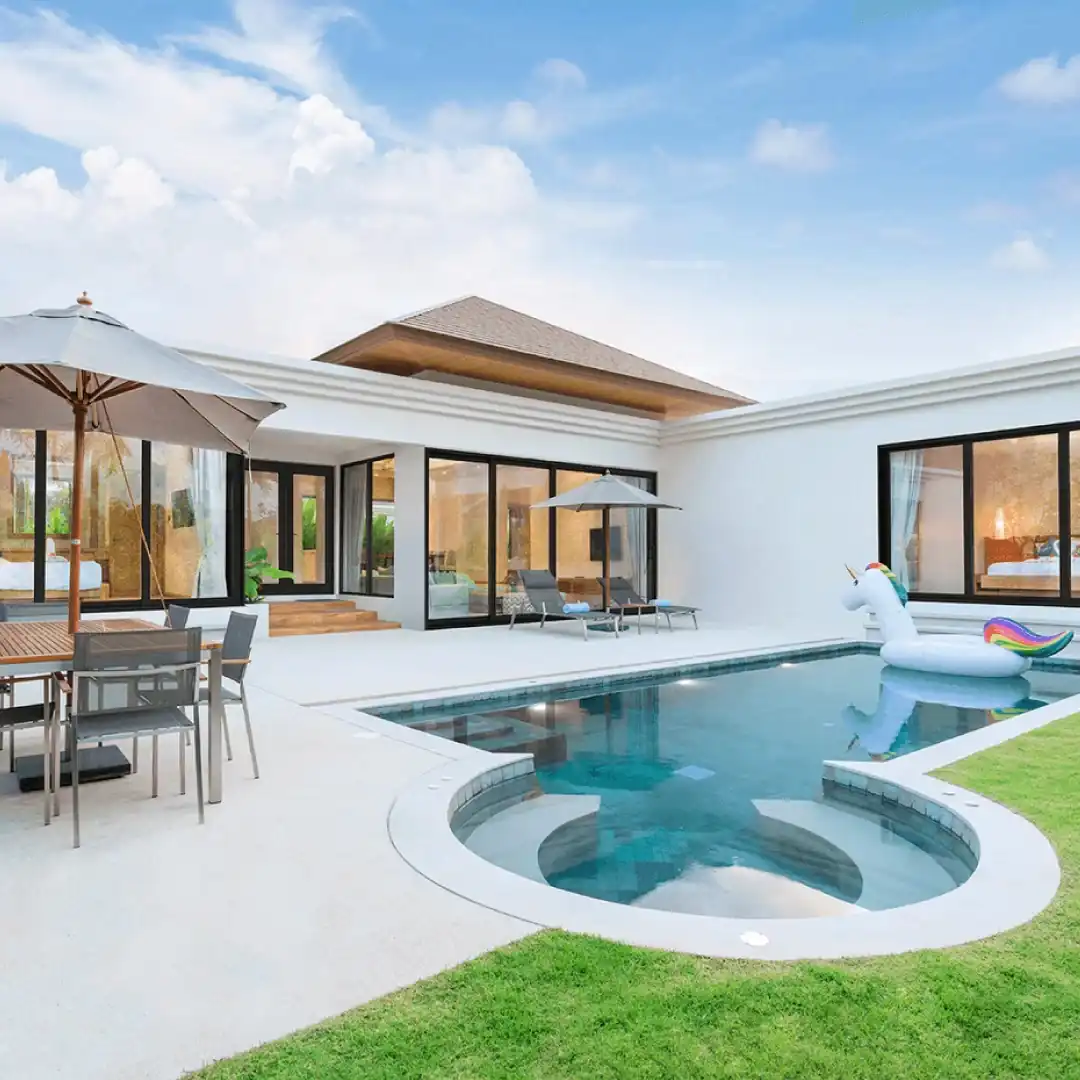
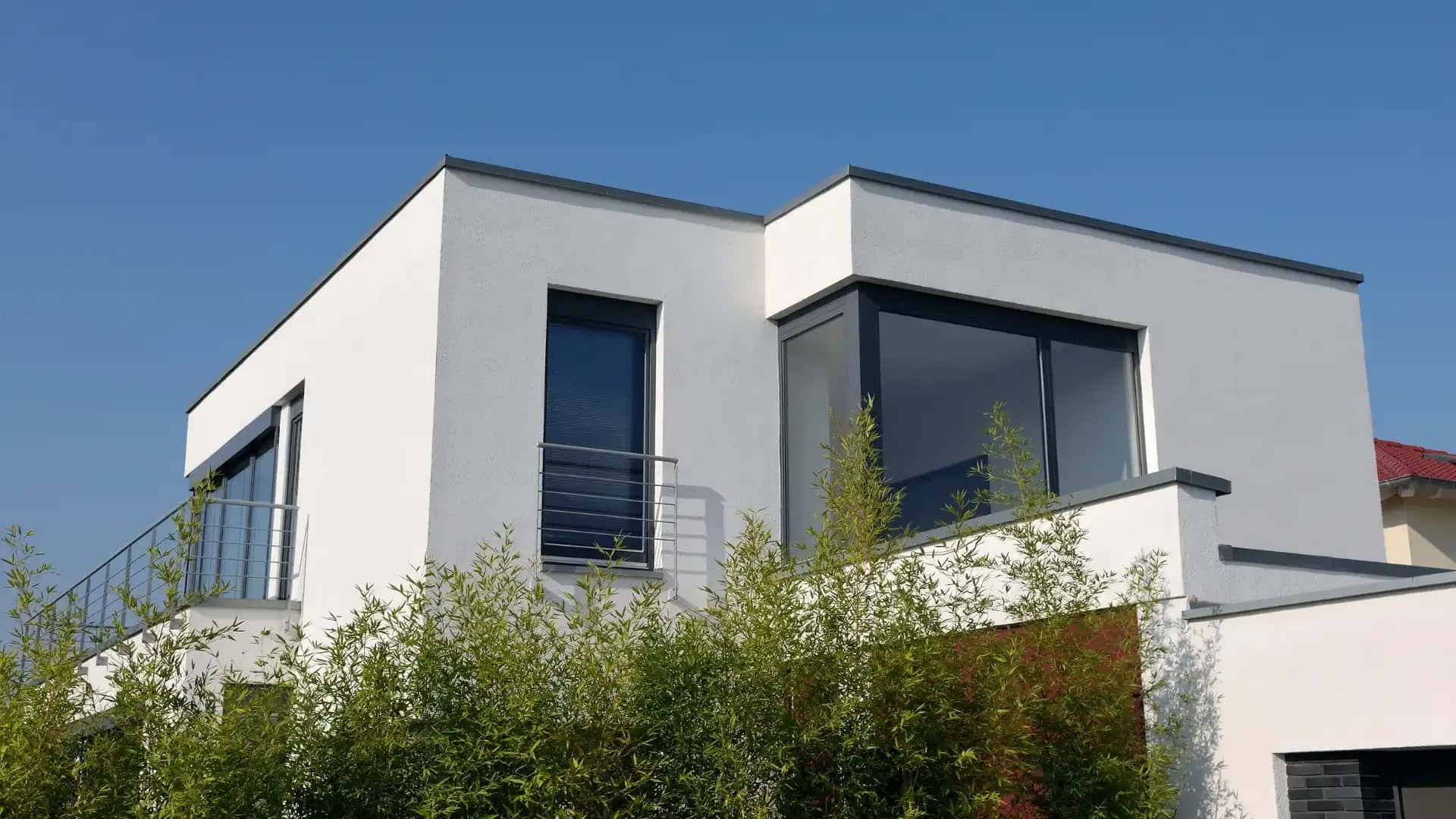
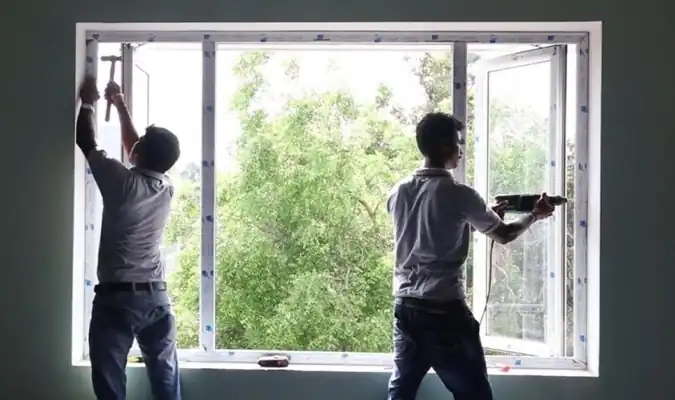
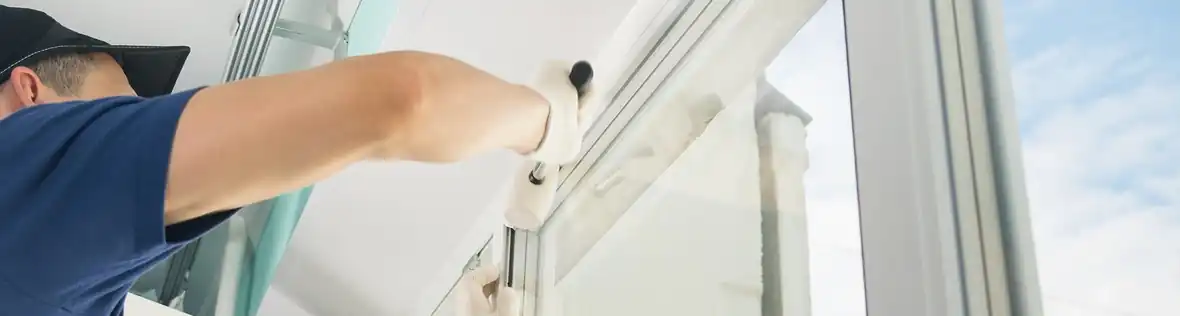
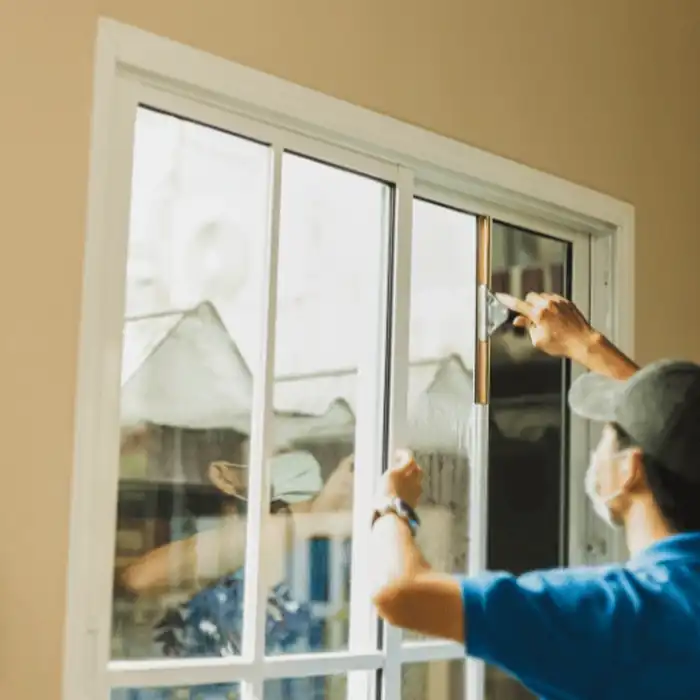
Real SafeGuard installs from the JobNimbus library — PGT WinGuard Aluminum + CGI Sparta + ES Windows configurations across the four counties we serve.
Project scope
PGT's premium-tier aluminum line — Miami-Dade NOA, lifetime limited warranty, slim sightlines. Best fit for coastal-exposure owner-occupied homes.
Learn moreCGI's value-tier (Sparta) and architectural-tier (Sentinel) aluminum lines. Best fit for whole-home aluminum aesthetics and high-rise installations.
Learn morePremium architectural aluminum from the NYSE-listed TGLS manufacturer. Right call for luxury custom builds with oversized openings and specialty profiles.
Learn morePella-owned (acquired 2020), Ocala FL plant — CWS 540 aluminum impact line for coastal exposure, in-state lead times, fast replacement-parts service.
Learn moreReplace every window in the home with aluminum-frame impact glazing in a single permit. Maximum insurance discount, cleanest architectural match across openings.
Learn moreAluminum on storm-facing elevations and oversized openings, vinyl on interior elevations. Common compromise for coastal homes managing budget while meeting wind-load code.
Learn moreAluminum-frame impact entry, French, sliding, and patio doors — same NOA + slim sightline + wind-rating advantages as the window product.
Learn moreFrequently asked
Aluminum impact windows are typically required — rather than just preferred — when a South Florida property sits in ASCE 7 Exposure D territory: oceanfront sites, open shorelines, and land immediately adjacent to large bodies of water. At those locations, calculated wind pressures run 25–40% higher than inland Exposure C sites. Vinyl-frame products often cannot generate enough structural resistance to meet the design-pressure demand for that exposure category, so aluminum is what the engineering submittal specifies. Miami-Dade and Broward building departments will flag a permit package if the product's NOA DP rating doesn't match the calculated demand.
A thermal break is a polymer (usually polyamide) insert that runs the full length of an aluminum window frame, separating the exterior aluminum profile from the interior one. Aluminum conducts heat roughly 1,000 times more readily than vinyl, so without this separator, the frame acts like a heat pipe into your conditioned space. In South Florida's cooling-dominated climate that translates to higher AC load and condensation risk. Every aluminum impact window we install — PGT WinGuard Aluminum, CGI Sparta, ES Windows Elite, and others — carries a factory-integrated thermal break. It's also required to meet Florida Energy Code compliance for thermally conditioned spaces.
Aluminum impact windows carry roughly a 20–40% cost premium over equivalent vinyl-frame configurations when measured on a per-opening basis. The spread depends on product line, opening size, finish selection, and overall project volume. CGI Sentinel and Eco Window Systems sit at the lower end of the aluminum price range; ES Windows Prestige and PGT WinGuard Aluminum sit higher. On a whole-home coastal retrofit, the total project cost commonly runs $30,000–$80,000 depending on opening count and finishes. Our impact-windows cost in Florida page has a full breakdown by frame type and product tier.
SafeGuard installs four aluminum impact window lines across South Florida: PGT WinGuard Aluminum (manufactured in Venice, FL), CGI Sparta and Sentinel (manufactured in Miami), ES Windows Elite and Prestige (Tecnoglass, with domestic distribution), and Eco Window Systems (manufactured in Medley, FL). Each carries Miami-Dade NOA coverage tested under TAS 201/202/203. Product selection depends on the structural engineering requirements — specifically the required design-pressure rating — as well as timeline, finish preferences, and budget. We present all four options with the NOA documents at the quoting stage.
TAS 201, 202, and 203 are the Florida High-Velocity Hurricane Zone (HVHZ) testing protocols that every impact-rated glazing product must pass to receive a Miami-Dade Notice of Acceptance. TAS 201 covers large-missile impact resistance; TAS 202 governs cyclic wind-pressure loading; TAS 203 tests uniform static air pressure. Any window installed in Miami-Dade or Broward County — whether aluminum or vinyl — must carry an active NOA demonstrating passing results under all three protocols. You can verify any product's NOA status in the Miami-Dade product approval database before signing a contract.
Properly installed aluminum impact windows have an expected service life of 40 or more years in South Florida conditions. Unlike vinyl, aluminum frames don't degrade under UV exposure — there's no chalking, discoloration, or structural softening from sun exposure. The finish (anodized or powder-coated) does require periodic cleaning in salt-air environments, and the weatherstripping should be inspected every 5–7 years. The laminated glass units inside the frame carry their own warranty terms that vary by manufacturer, typically covering seal failure for 10 years.
Yes — every aluminum impact window project SafeGuard installs is permitted under our Florida General Contractor license (CGC1532033). We prepare the permit package, submit to the applicable county building department, and schedule the final inspection. Coastal jurisdictions like Miami-Dade and Broward require permits without exception for window replacement work. Unpermitted installations can void homeowner's insurance claims and create title issues at resale. You can verify our license status at any time through the Florida DBPR contractor lookup.
Yes. SafeGuard offers financing through underwritten installment plans designed for whole-home impact window projects. Aluminum installations on coastal homes frequently run into five figures, and installment financing lets homeowners complete the full scope — rather than staging the work in phases, which can create code compliance gaps. We can walk through financing options during the free consultation, before the permit application is filed.
Free in-home estimate that includes the ASCE 7 wind-load calculation + brand comparison + permit pathway in writing — sealed plans, NOA verification per opening, Notice of Commencement, and inspections.
Content Disclosure
This article is provided for general information only and reflects current Florida Building Code requirements, common South Florida construction practices, and SafeGuard's field experience. Actual project costs, permit requirements, material availability, and timelines vary based on your home, municipality, and project scope. Florida law requires that any residential construction work over $1,000 be performed by a licensed contractor — always consult a Florida-licensed contractor before starting an impact-window, impact-door, or roofing project and verify credentials at myfloridalicense.com. This guidance is not a substitute for a project-specific estimate or on-site evaluation by a licensed professional.