
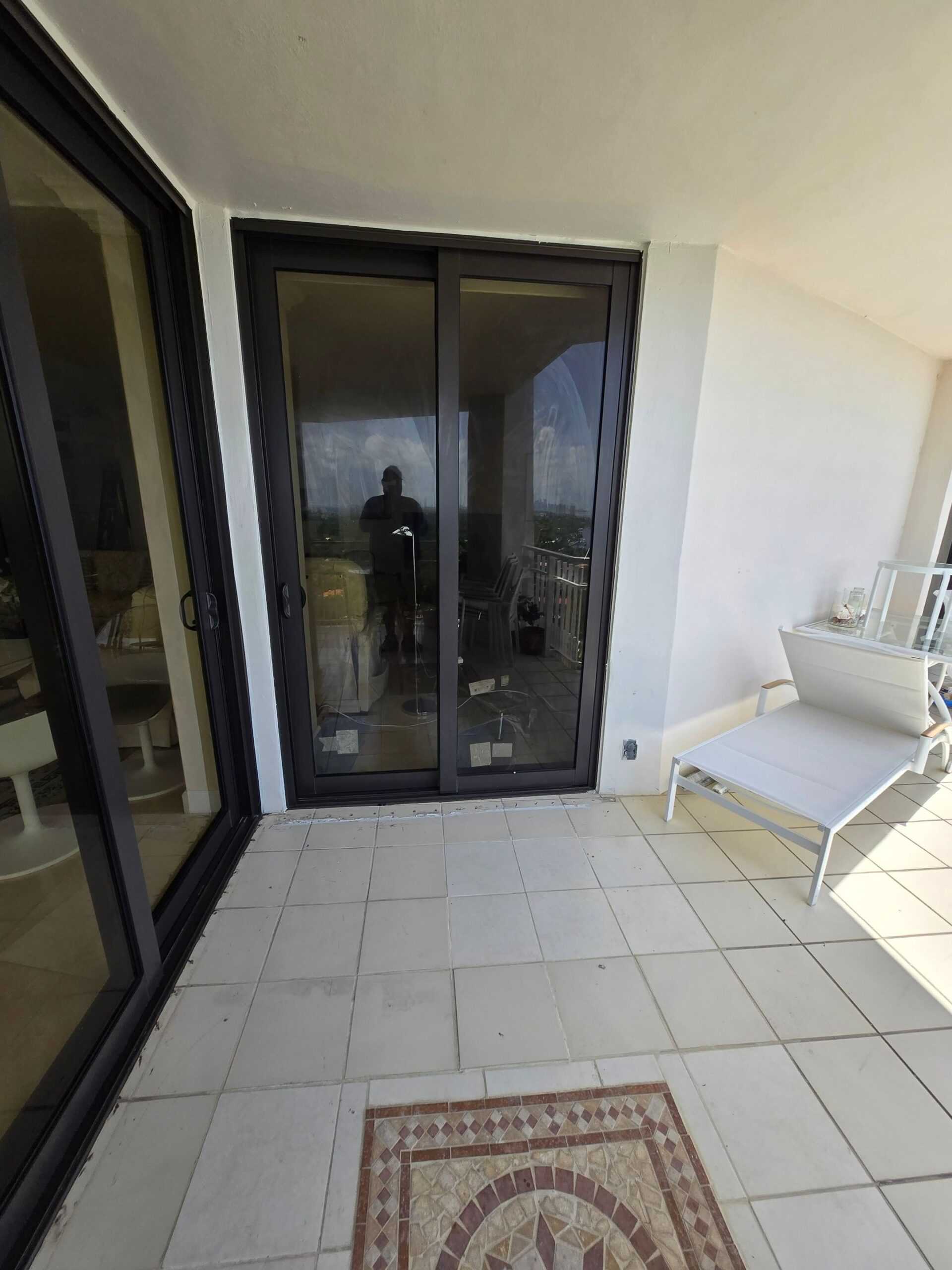
HVHZ-tested as a complete door assembly
Impact doors pass TAS 201/202/203 as a sealed unit — frame, hinges, lock, and threshold included. Hurricane shutters bolted over a standard door don't substitute for a code-compliant assembly on a new install.
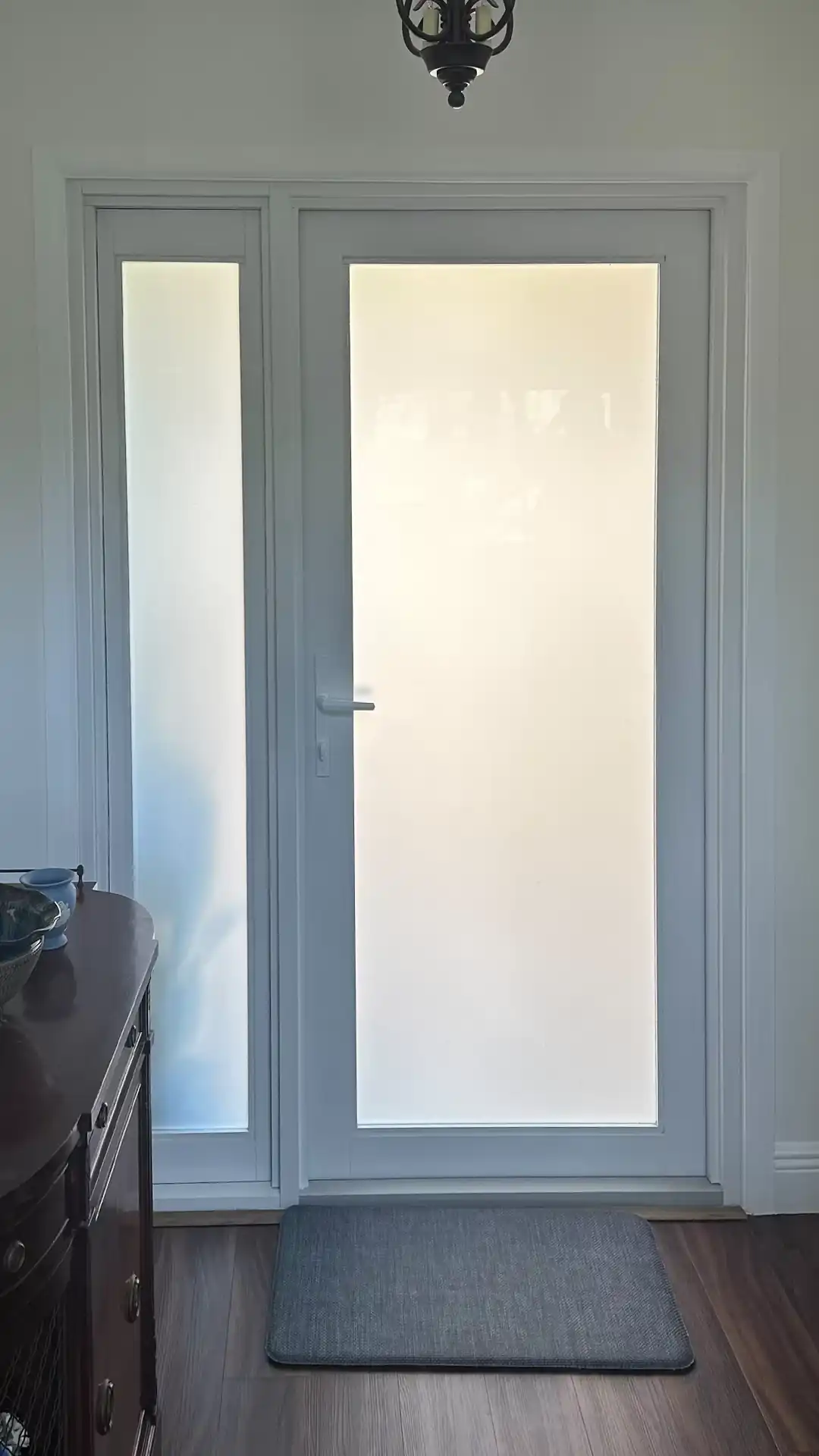
Florida-licensed installation of hurricane-rated impact entry doors, French doors, sliding glass doors, and patio doors across South Florida. Miami-Dade NOA-approved products, full permit pathway handled in-house, and an installation crew that works under our license — never subcontracted.
Reviews
Built for South Florida
Impact doors pass TAS 201/202/203 as a sealed unit — frame, hinges, lock, and threshold included. Hurricane shutters bolted over a standard door don't substitute for a code-compliant assembly on a new install.
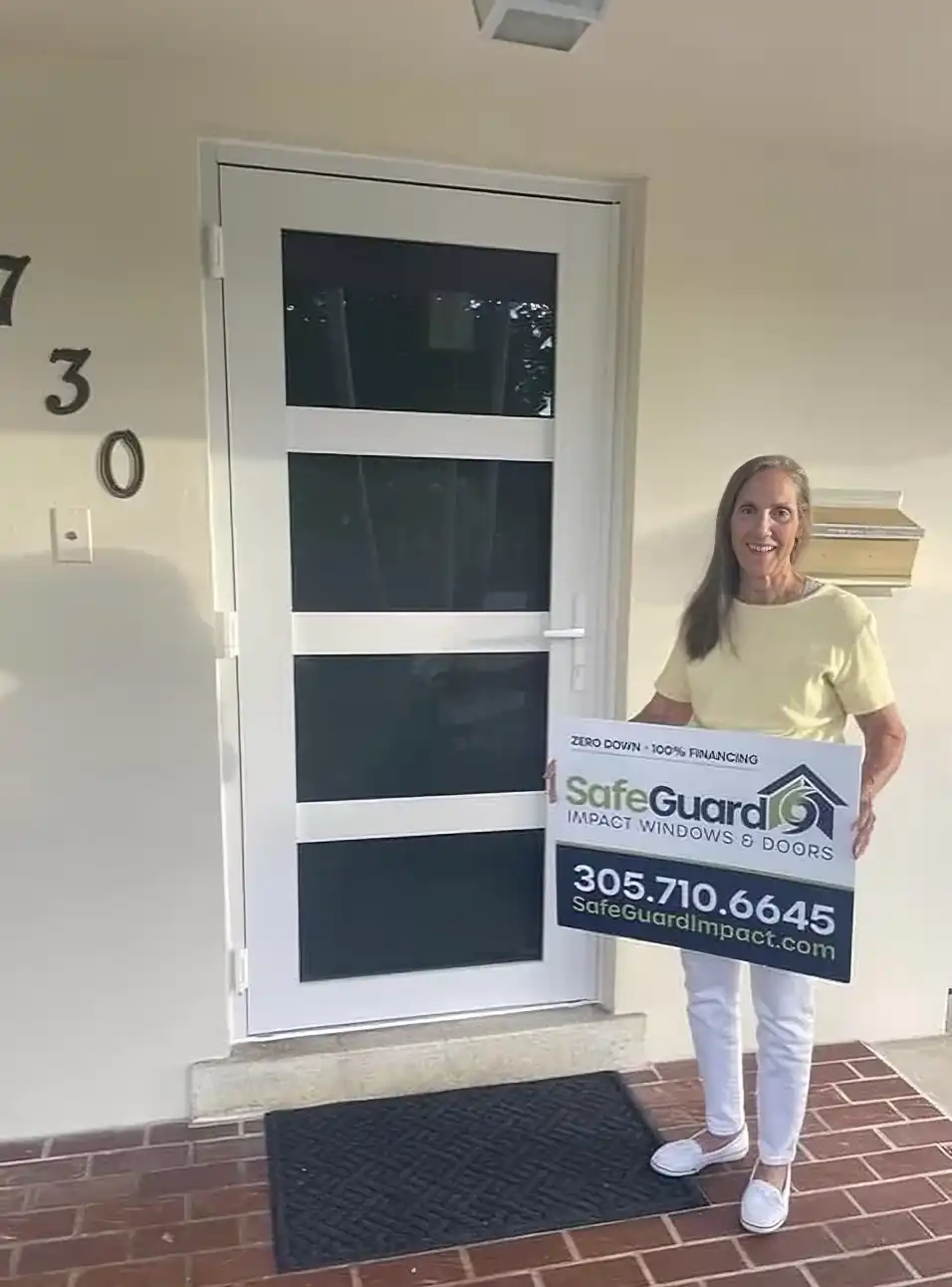
We file under FL DBPR CGC1532033 and stay the responsible party from sealed plans through final inspection — no owner-builder permits, no subcontracted permit-puller workarounds.
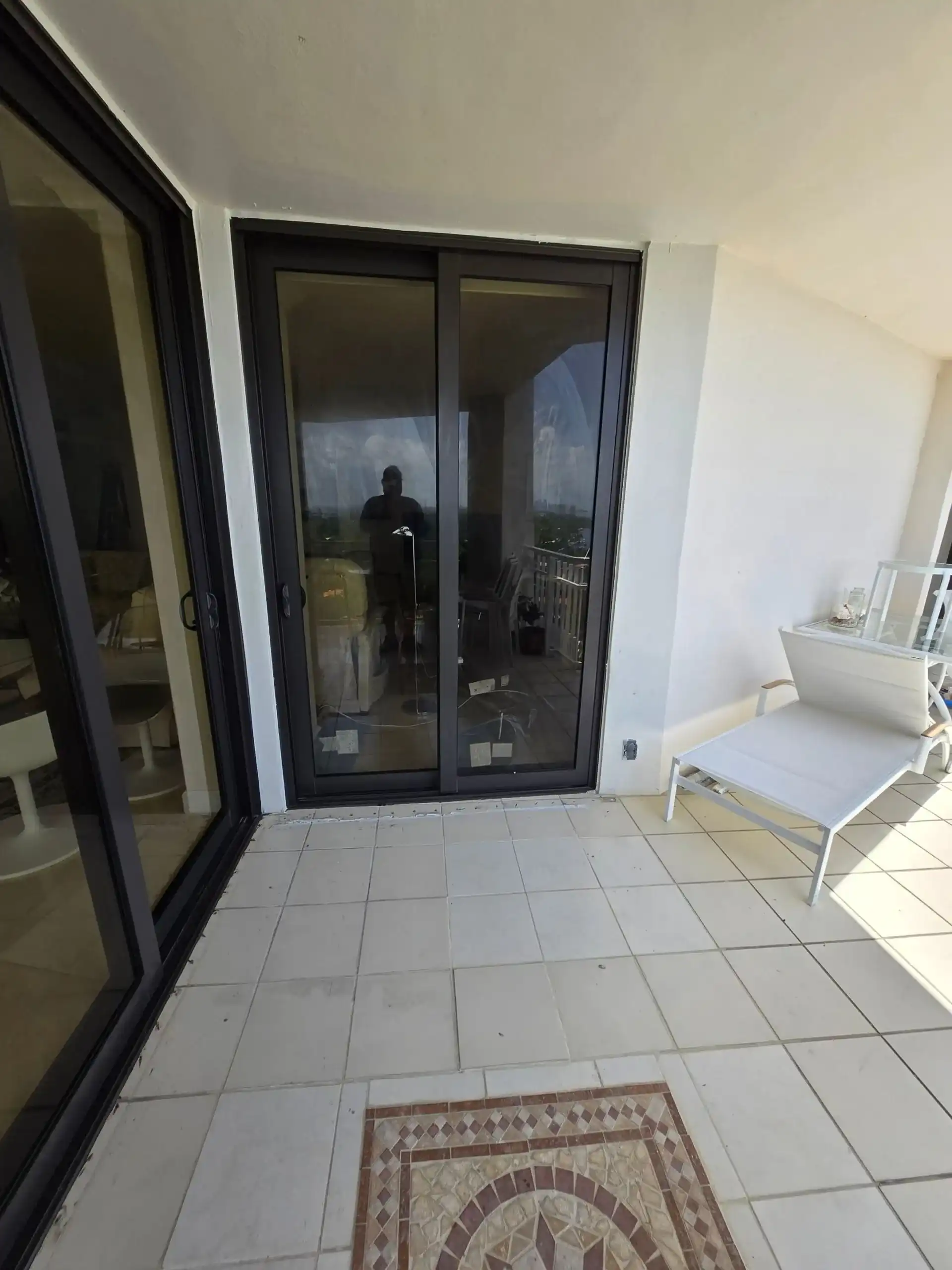
Door installs reveal more rough-opening surprises than window installs (rotten framing, threshold rot, stucco cracking). When something needs correcting our crew has the license + authority to fix it on the same visit.
At a Glance
South Florida's building code is among the toughest on earth. Every exterior door on a home in Miami-Dade or Broward County must survive a 175+ mph wind load, resist large-missile debris, and pass rigorous water-intrusion tests before a single permit gets issued. Impact doors are purpose-built to meet those demands. They replace standard entry, French, sliding, patio, and pivot doors with laminated-glass assemblies anchored in reinforced frames — no hurricane shutters required. This guide covers everything South Florida homeowners need to know before they buy: door types, code requirements, configurations, smart-lock upgrades, permit timelines, HOA review, and what the installation process actually looks like from estimate to final inspection.
South Florida sits inside the High-Velocity Hurricane Zone (HVHZ), a designation established under Chapter 44 of the Florida Building Code that covers all of Miami-Dade and Broward counties and demands the highest wind-resistance standards in the nation. Every impact door installed in the HVHZ must carry a Miami-Dade Notice of Acceptance (NOA) — a product-specific approval issued by the Miami-Dade Notice of Acceptance database after independent lab testing confirms the door assembly can withstand 175 mph design wind pressures. Palm Beach and Martin counties fall under the Florida Building Code's standard High Wind Zone at 160 mph design loads, which still requires impact-rated products but allows state product approvals in place of a county NOA.
Beyond wind pressure, every door must pass TAS 202 water-infiltration testing (Test Application Standard 202, a Florida-specific protocol that cycles water at 15 psf pressure for 15 minutes) and large-missile impact testing per TAS 201, which fires a 9-pound 2×4 stud at 50 fps into the glass and frame. These tests apply to the complete door assembly — glass, frame, hardware, threshold, and weatherstrip — not just the glazing alone. Homeowners researching whether a standard steel door can be retrofitted with laminated glass should read up on what slab doors are and when that approach actually works versus when a full frame replacement is required. Most HVHZ inspectors require the full NOA-certified assembly, which means the frame, glass, and hardware all come from the same tested unit.
Aluminum door installation covers narrow-stile and wide-stile aluminum entry, French, and patio doors — the most common choice for coastal homes because aluminum resists salt-air corrosion without painting.
Sliding glass door installation handles OXXO, OXO, and OX panel configurations for ocean-facing and pool-deck openings where a swinging door would conflict with outdoor furniture or prevailing wind direction.
French door installation covers double-active hinged systems for patio walkouts and primary-suite entries, including fixed-panel and operable-sidelight configurations that preserve the classic look while meeting HVHZ code.
Pivot door installation is the right call for oversized entries 8–10 feet tall on modern or contemporary facades, where a center-hung pivot mechanism supports slabs too heavy for traditional side-hung hinges.
Patio door installation focuses on lanai and pool-deck applications that need heavy-duty stainless rollers, marine-grade hardware, and thresholds engineered to shed water from high-volume summer rain events.
Impact door frames in South Florida come in 3 primary materials: aluminum, steel-reinforced aluminum composite, and fiberglass. Aluminum dominates the coastal market for 2 reasons — corrosion resistance and the ability to achieve narrow sight lines while maintaining the structural section depths required by HVHZ code. Wide-stile aluminum frames (stile widths of 4–6 inches) offer more room for multi-point locking hardware and reinforced corners, which is why most HVHZ-certified entry doors use them. Steel insulated core entries are also popular for front doors in non-coastal neighborhoods of western Palm Beach and Martin counties, where thermal performance matters as much as wind resistance and the ENERGY STAR certified models can qualify for federal tax credits.
The glass itself is always laminated — two or more lites of tempered or annealed glass bonded to a polyvinyl butyral (PVB) interlayer. When the outer lite breaks, the interlayer holds the shards in place, preventing wind and rain from entering the opening. Most HVHZ-rated door glass is 7/16-inch minimum overall thickness, with 3M or DuPont interlayers rated to 0.090-inch thickness. Low-E coatings on the #2 or #3 surface reduce solar heat gain coefficients (SHGC) to 0.23–0.27, cutting air-conditioning load meaningfully in South Florida's 10-month cooling season. Brands we carry — ES Windows, Custom Window Systems, PGT, and CGI — all offer NOA-certified door assemblies in both clear and bronze tints, and several lines include factory-applied decorative grilles that don't compromise the impact rating.
Choosing the right door configuration is as much about how you use the opening as it is about code compliance. Sliding glass doors are sold in OX (one fixed, one operating), OXO (fixed-operating-fixed), and OXXO (two fixed, two operating) arrangements. A standard 6-foot-wide patio opening typically takes an OX or XO panel; a 12-foot-wide great-room wall usually calls for an OXXO with all 4 panels sliding to stack at one end. Owners comparing the two main swinging styles should check out pivot vs hinged doors before finalizing their design, since the pivot mechanism's off-center rotation point allows slabs up to 10 feet tall and 500 pounds that a standard 4.5-inch butt hinge simply cannot support.
Sidelights and transoms are another configuration decision. A fixed sidelight flanking a single-active entry door adds borrowed light without compromising security, but the sidelight must be included in the door assembly's NOA — you cannot mix glass from one manufacturer with a frame from another and expect the inspector to pass it. Operable sidelights (hinged to open independently) are available from PGT and CGI but carry their own NOA listing and add cost. Transoms above the door header follow the same rule: the entire assembly — door, transom, and frame — must share one NOA. The National Hurricane Center data on post-storm damage consistently shows that failures at the door-to-frame interface, not the glass itself, are the most common breach point, which is exactly why the NOA covers the complete assembly, not individual components.
Multi-point locking (MPL) systems are standard on all HVHZ-rated entry and French doors. A single throw of the handle engages 3–5 locking points along the door's vertical edge — top latch, center deadbolt, and bottom latch at minimum — distributing the load across the frame rather than concentrating it at one point. This design resists both wind pressure and forced-entry attacks simultaneously, which is why Florida's wind-mitigation inspection form (OIR-B1-1802) credits MPL hardware as a secondary opening protection feature. Some MPL systems are rated to exceed ANSI Grade 1 forced-entry standards, the highest residential classification.
Smart locks integrate cleanly with most MPL chassis from PGT and CGI. Wi-Fi–enabled deadbolts (Yale, Schlage Encode, August Wi-Fi) can be retrofitted onto the center latch position without voiding the door's NOA, as long as the bolt throw length and ANSI backset dimensions match the original spec — confirm this with your installer before ordering. ADA-compliant lever sets are required on all commercial openings and are increasingly requested on residential primary entries, especially for aging-in-place remodels in Broward and Palm Beach retirement communities. Levers must require no more than 5 pounds of force to operate and no tight grasping or twisting per ADA Section 404.2.7. The threshold detail is equally important: ADA thresholds are limited to 1/2-inch height with a 1:2 beveled transition, which must be balanced against TAS 202 water-infiltration requirements — a detail that experienced installers manage with thermally broken aluminum thresholds that meet both standards without compromising the air-infiltration rating of the door assembly.
A licensed SafeGuard estimator measures every rough opening, checks the existing frame condition, and reviews your HOA's architectural guidelines. Request a free estimate and we'll schedule within 48 hours. The estimate includes product options across ES Windows, Custom Window Systems, PGT, and CGI.
Most HOAs in Broward, Palm Beach, and Martin counties require a completed architectural review form and product spec sheet before work begins. We prepare the submittal package — NOA documents, color chips, and elevation drawings — and submit on your behalf. HOA review windows typically run 10–30 days; we schedule permit application in parallel to avoid delays.
We pull the building permit with your local municipality, attaching the signed and sealed drawings and the Miami-Dade NOA or state product approval number. Miami-Dade County currently processes residential door permits in 10–15 business days over the counter; Broward municipalities range from 5–20 days depending on the city. Permit fees average $75–$200 for a single door in most South Florida jurisdictions.
Our installation crews set new aluminum or composite sub-frames into the rough opening, anchor to the structural substrate per the NOA's fastener schedule (typically #10 or #12 tapcon screws at 6-inch intervals), hang the door slab, set the threshold with a continuous bead of sealant, and adjust the multi-point lock for smooth operation. Most single-door installs complete in one day; multi-panel OXXO sliding systems may take two.
The building inspector verifies the NOA installation specs, checks anchor spacing, and signs off the permit. We provide the manufacturer's limited lifetime warranty on the frame and a 10-year warranty on glass seal failure. All SafeGuard labor is backed by a 2-year workmanship warranty. The closed permit becomes part of your property record and supports future wind-mitigation insurance credits.
Impact door installation always requires a building permit in South Florida — no exceptions. The Florida Building Code Section 105.1 mandates permits for any work that replaces a structural component of the building envelope, and every exterior door qualifies. Unpermitted work not only risks a stop-work order; it can void your homeowner's insurance claim and trigger a requirement to remove and reinstall at your expense when you sell. Verify your contractor's license at the Florida DBPR contractor lookup before signing anything — SafeGuard operates under CGC1532033.
The Florida 25% repair rule is a separate issue that surprises many homeowners. If the total value of alterations to a building in a 12-month period exceeds 25% of the structure's assessed value, the entire building must be brought up to current code — including the roof. For older homes in Hialeah, Opa-locka, or Delray Beach where assessed values are lower relative to construction costs, a whole-house window-and-door replacement project can cross that threshold. Your contractor should calculate this before pulling permits, not after. On the HOA side, most communities in gated Broward and Palm Beach developments require frame colors to match the community palette and may restrict glass tints. We've worked with HOAs across Weston, Parkland, Boca Raton, and Palm Beach Gardens and know their typical review timelines. For pricing assistance, we offer financing with 0% promotional terms and underwritten installment plans so the permit and HOA timelines don't force you into a rushed decision.
| Impact Doors | Hurricane Shutters | |
|---|---|---|
| Storm prep required | None — always protected | Must deploy before each storm |
| HVHZ code compliance | Yes, with Miami-Dade NOA | Yes, but door behind must also comply |
| Natural light retention | Full light, year-round | Zero light when closed |
| Forced-entry resistance | High — multi-point locking standard | Varies — depends on shutter type |
| Insurance wind-mit credit | Yes — opening protection credit | Yes — if rated and installed to code |
| HOA appearance concerns | Generally none | Often restricted or banned |
| Long-term maintenance | Low — periodic weatherstrip check | Higher — tracks, motors, manual ops |
SafeGuard installs impact doors across all 4 counties in our service area — Miami-Dade, Broward, Palm Beach, and Martin — covering everything from oceanfront condos on Collins Avenue in Miami Beach to single-family homes in inland communities like Wellington, Tequesta, and Stuart — see how much do impact doors cost. Our Tamarac location (10424 W McNab Rd) puts us within 20 minutes of most Broward municipalities, and we have active permit relationships with building departments in Coral Gables, Hialeah, Hollywood, Pompano Beach, Boca Raton, Delray Beach, Boynton Beach, Jupiter, and Palm Beach Gardens.
Different neighborhoods bring different installation challenges. High-rise condos in Aventura or Sunny Isles Beach require coordination with building management, freight elevator scheduling, and sometimes crane access for oversized pivot slabs. Historic districts in Coral Gables and West Palm Beach add architectural review layers beyond the standard HOA process. Flood Zone AE properties near the FEMA Flood Map Service Center designated areas along the Intracoastal Waterway require threshold heights to meet base flood elevation requirements, which affects the TAS 202 water-barrier detail on the threshold. Our estimators are trained in all of these site-specific requirements. See the full list of neighborhoods and cities we cover at our service areas page, or read verified customer reviews from homeowners across the region who've completed their impact door projects with us.
From our project library
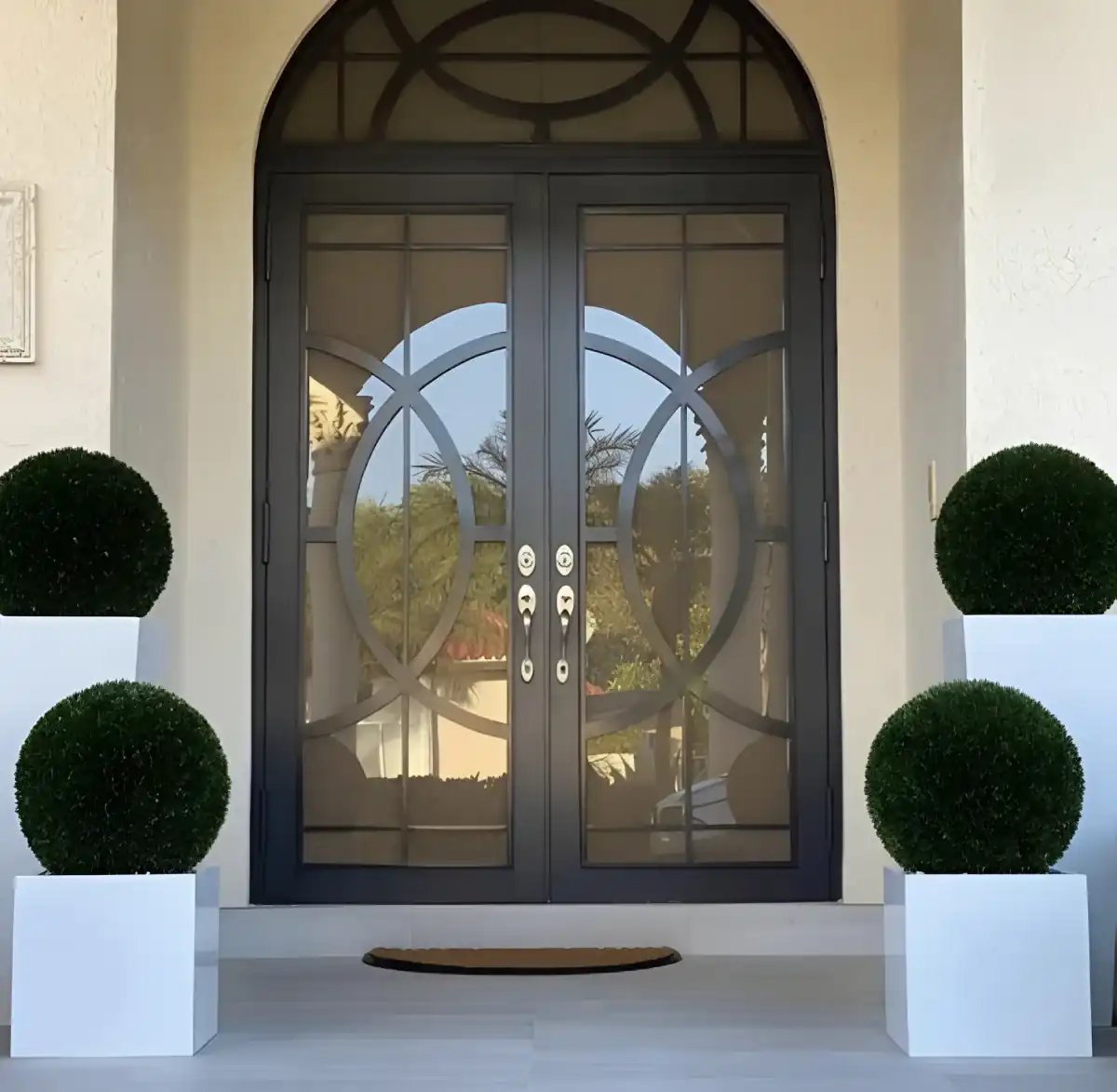
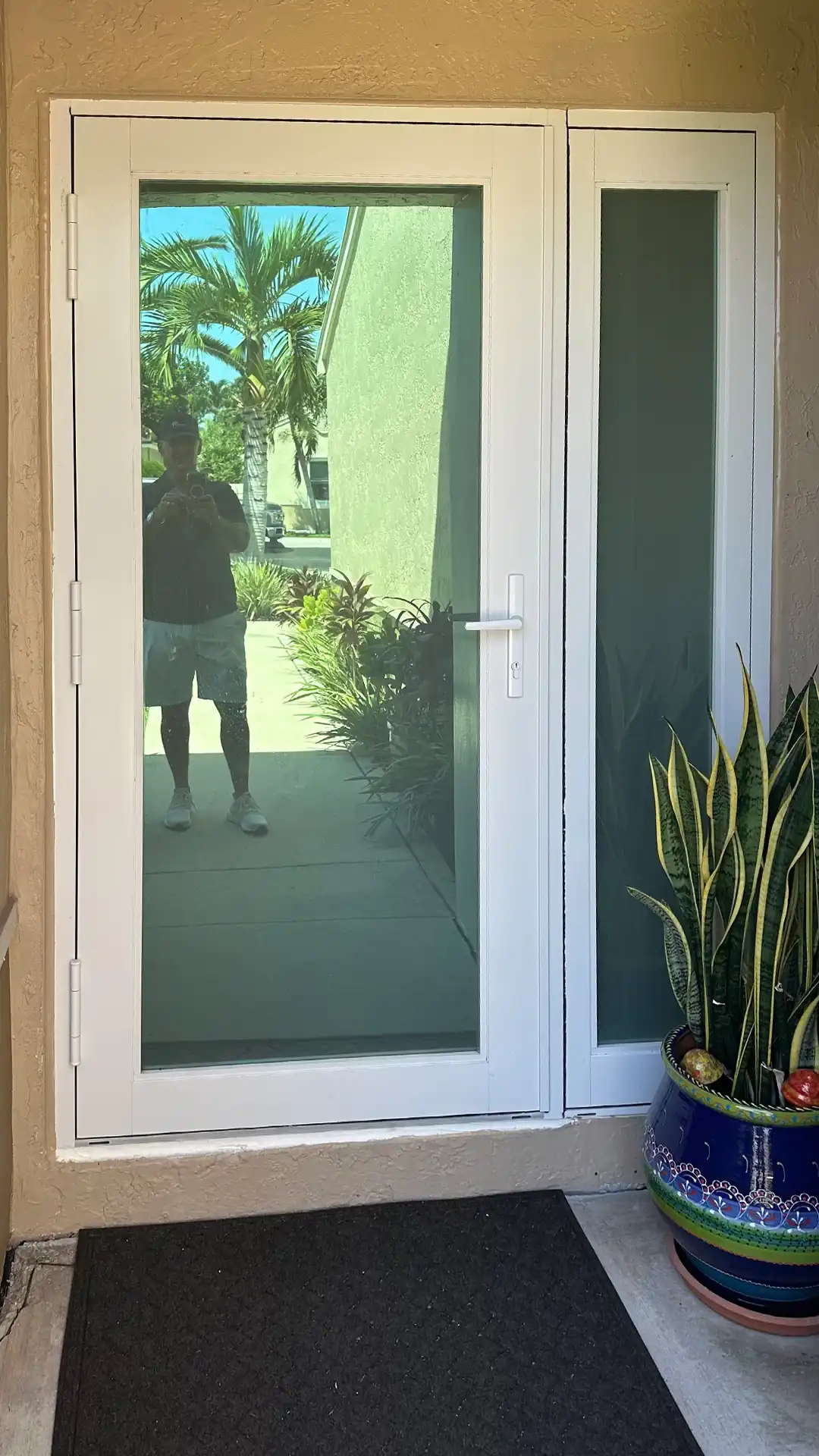
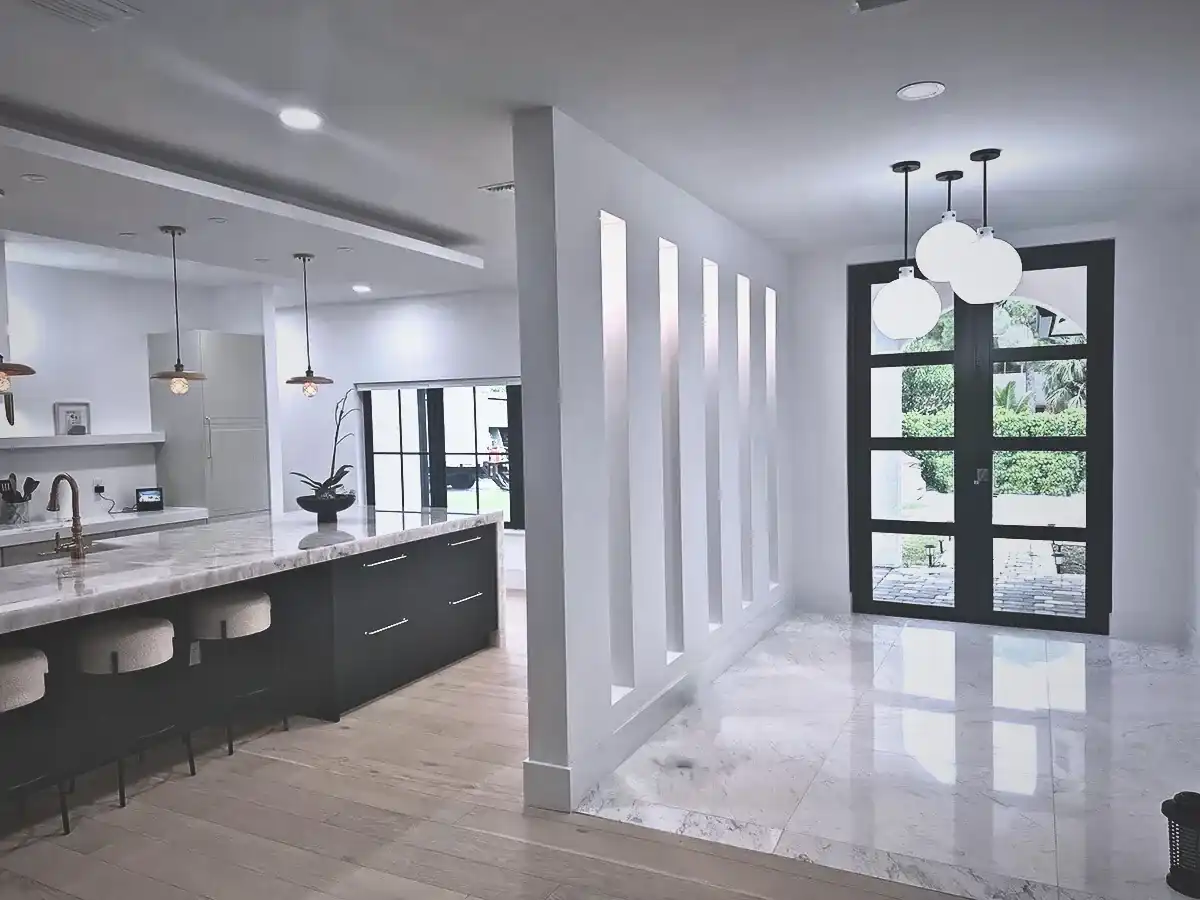
Every photo here is a real SafeGuard project from the JobNimbus library — entry, French, sliding, and patio door installs across the four counties we serve.
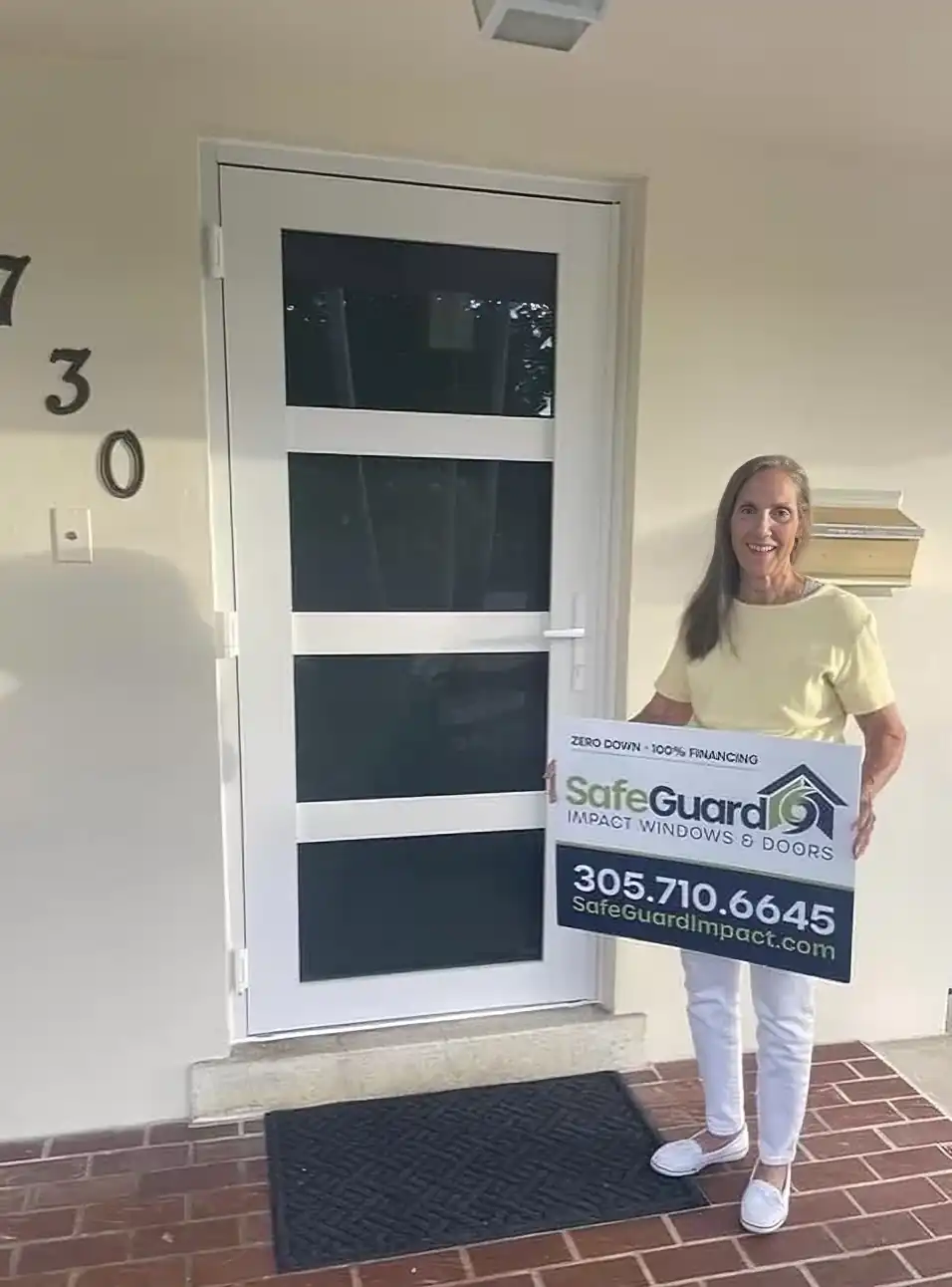
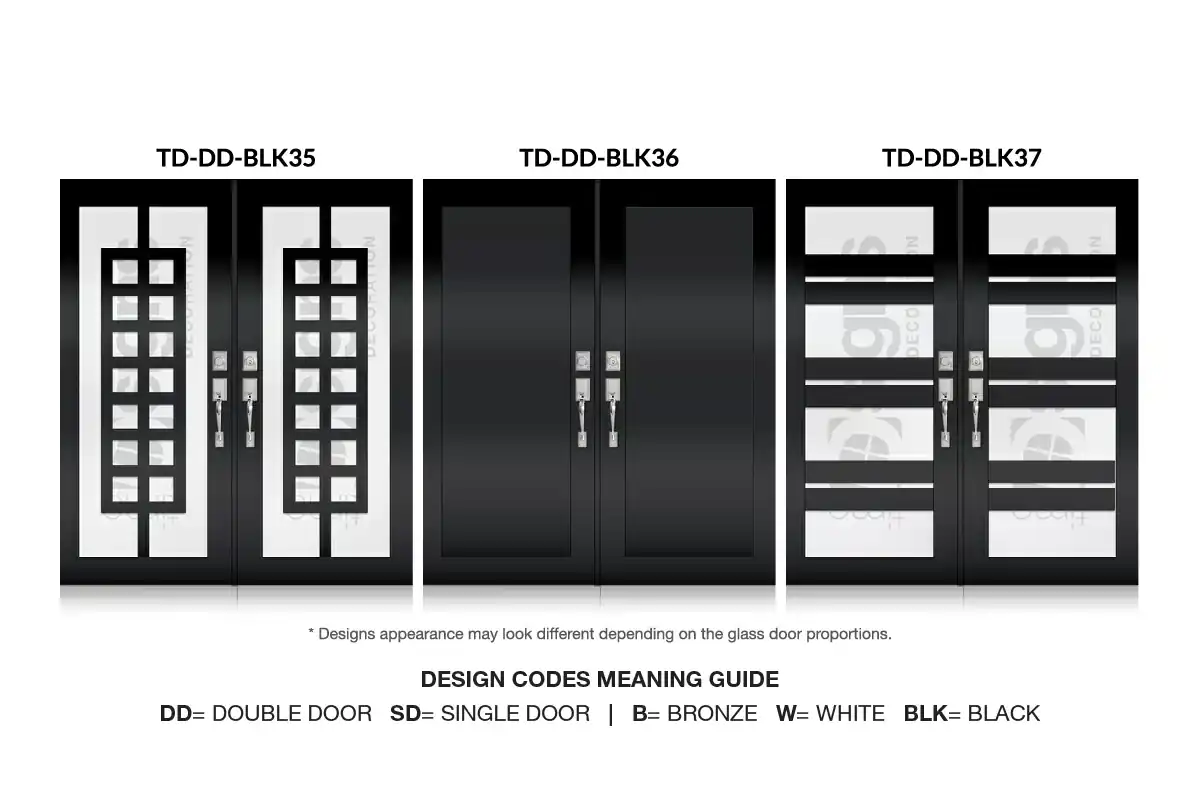
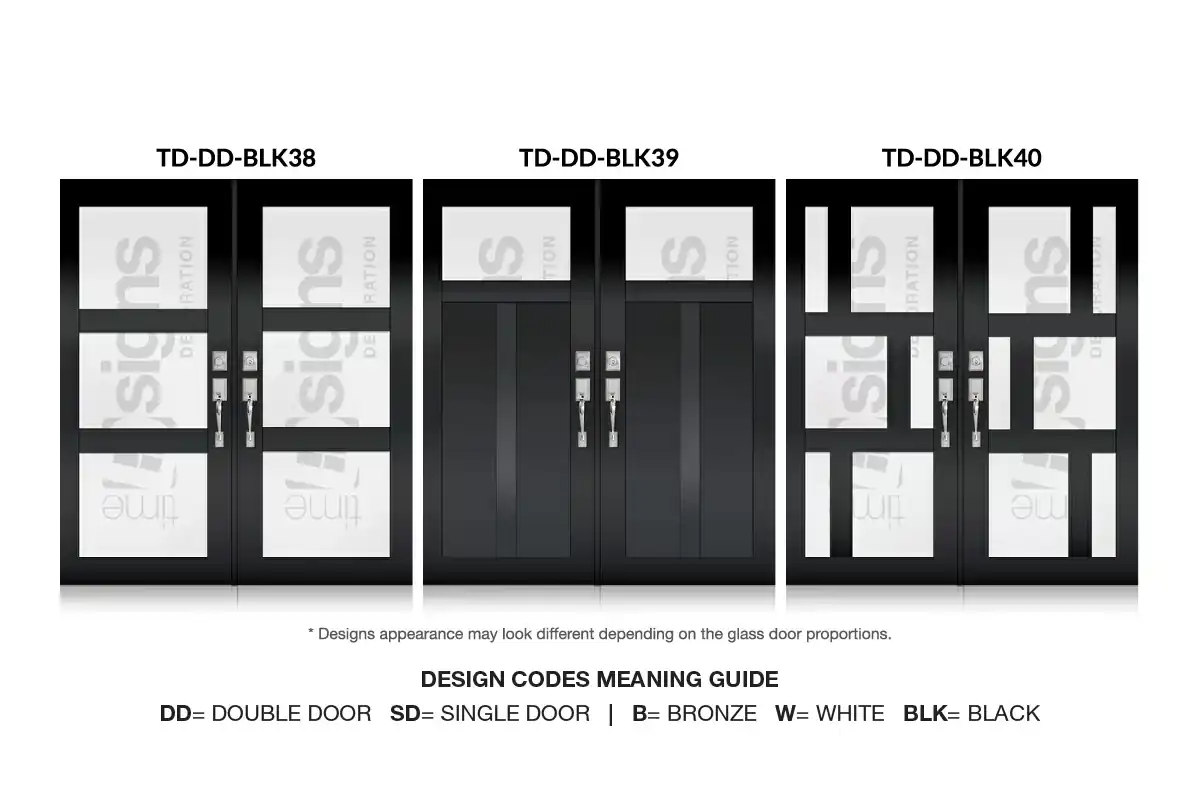
Project scope
Single or double front-entry impact doors — fiberglass, aluminum, or steel frame. Multi-point locking, sidelite + transom configurations, and any HOA color or panel-design rule supported.
Learn moreHinged double doors (in-swing or out-swing) for back patios, garden-facing rooms, and main entries that want the design line without a center post. Available with sidelites and transoms.
Learn more2-, 3-, and 4-panel sliders, plus pocket configurations that disappear into the wall. Standard for back patios, lanais, and balcony openings on coastal and high-rise properties.
Learn morePremium architectural openings — pivot doors up to 10' tall, oversized patio doors, and custom millwork-style entries. CGI Sparta and ES Windows Elite are the active product lines.
Learn moreFlorida-built since 1986 and now part of MITER Brands. Most-installed line in our portfolio for owner-occupied South Florida homes — strong availability + warranty coverage.
Learn moreSouth Florida-engineered impact line under MITER Brands. Sparta aluminum is the active value-tier product — strong fit for whole-home replacements where slim sightlines matter.
Learn moreTecnoglass (NYSE: TGLS) — premium architectural aluminum entry, sliding, and pivot configurations. Best fit for luxury custom builds with oversized openings.
Learn morePella-owned (acquired 2020), Ocala FL plant — entry, French, and sliding glass doors. Useful for matching door + window configurations across an HOA-aesthetic-consistent project.
Learn moreFrequently asked
Impact doors installed in Miami-Dade and Broward counties must be engineered for design wind pressures corresponding to 175 mph winds under the High-Velocity Hurricane Zone (HVHZ) chapter of the Florida Building Code. The specific pressure rating varies by building height, exposure category, and location on the structure, but every door assembly must carry a Miami-Dade Notice of Acceptance (NOA) confirming it passed TAS 201 large-missile and TAS 202 water-infiltration testing before it can be permitted.
Permit timelines in Broward County vary by municipality. Most cities process a standard residential impact door permit in 5–20 business days. Miami-Dade County typically runs 10–15 business days over the counter for a single-door replacement. HOA architectural review — if required — runs separately and can take 10–30 days, so both processes should be started in parallel. Permit fees for a single door average $75–$200 across most South Florida jurisdictions.
Palm Beach and Martin counties fall under Florida's standard High Wind Zone at 160 mph design loads rather than the HVHZ. They accept Florida state product approvals (issued through the Florida Building Commission) in addition to Miami-Dade NOAs. However, many manufacturers carry the Miami-Dade NOA because it satisfies both counties, so it's common to see NOA-listed products installed throughout all four counties SafeGuard serves.
A multi-point locking (MPL) system engages 3–5 separate latch points along the door's vertical edge with a single handle throw — typically a top latch, center deadbolt, and bottom latch at minimum. This spreads wind-load forces across the entire frame rather than concentrating them at one bolt point. Florida's wind-mitigation inspection form (OIR-B1-1802) credits MPL hardware as secondary opening protection, which can reduce homeowner's insurance premiums. MPL is standard on all HVHZ-certified entry and French doors.
Yes, in most cases. Wi-Fi–enabled smart deadbolts from brands like Yale or Schlage Encode can be retrofitted onto the center latch position of most MPL door assemblies without voiding the Miami-Dade NOA, provided the bolt throw length and ANSI backset dimensions match the original hardware spec. Confirm compatibility with your installer before ordering. The outer escutcheon and strike plate must also match the tested configuration to maintain code compliance.
A hinged impact door rotates on 3–4 side-mounted butt hinges and is practical for slabs up to about 96 inches tall and 250 pounds. A pivot door uses a floor-to-header pivot mechanism with a center or offset rotation point, which can handle slabs 8–10 feet tall weighing 400–500 pounds — ideal for modern facades with oversized entries. The two systems also feel different to operate and carry separate NOA listings. See our pivot vs hinged doors guide for a full comparison.
Once every exterior opening — doors and windows — has a Miami-Dade NOA-certified impact product installed under a closed permit, hurricane shutters are no longer required by the Florida Building Code. Many homeowners keep existing accordion shutters for added peace of mind or insurance credit stacking, but code-wise the impact products alone satisfy the opening-protection requirement. For a detailed breakdown, read our article on whether you still need shutters after installing impact glass.
For lanai and pool-deck openings wider than 10 feet, an OXXO configuration — two fixed outer panels flanking two operating center panels — is usually the best fit. It allows both operating panels to stack to one end, creating a full-width opening. For openings under 8 feet, a standard OX or XO (one fixed, one operating) is simpler and less expensive. All panel configurations must share a single Miami-Dade NOA covering the complete assembly, including the frame, rollers, threshold, and glass.
Free in-home estimate that includes the full permit pathway in writing — sealed plans, NOA verification per door, Notice of Commencement, and inspections.
Content Disclosure
This article is provided for general information only and reflects current Florida Building Code requirements, common South Florida construction practices, and SafeGuard's field experience. Actual project costs, permit requirements, material availability, and timelines vary based on your home, municipality, and project scope. Florida law requires that any residential construction work over $1,000 be performed by a licensed contractor — always consult a Florida-licensed contractor before starting an impact-window, impact-door, or roofing project and verify credentials at myfloridalicense.com. This guidance is not a substitute for a project-specific estimate or on-site evaluation by a licensed professional.