


What are the Parts of Windows
Learn the essential window parts—frame, sash, glass, sill, jambs, and hardware. Understand how each component contributes to performance and durability.
Windows aren’t just glass squares in a wall. They’re engineered systems built from multiple precision components working in sync. The parts of the window are the frame, sash, glass pane, sill, jambs, head, and hardware. Every piece has a job in performance, insulation and durability.
Takeaways
- The frame is the structural backbone. It anchors the entire window into the wall opening.
- The sash is the movable component. It holds the glass and enables opening/closing.
- The glass pane (or glazing) is responsible for light transmission, insulation… and sometimes safety performance.
- The sill, jambs, and head form the perimeter structure which supports and aligns the window.
- Muntins and mullions define visual divisions. They can also reinforce structure in multi-pane designs.
- Hardware and weatherstripping ensure locking, sealing & smooth operation.
Parts of Windows Explained
Here are the parts explained. ### Frame & Sash The frame is the fixed outer structure. It anchors the window into the building wall.
Here are the parts explained.
Frame & Sash
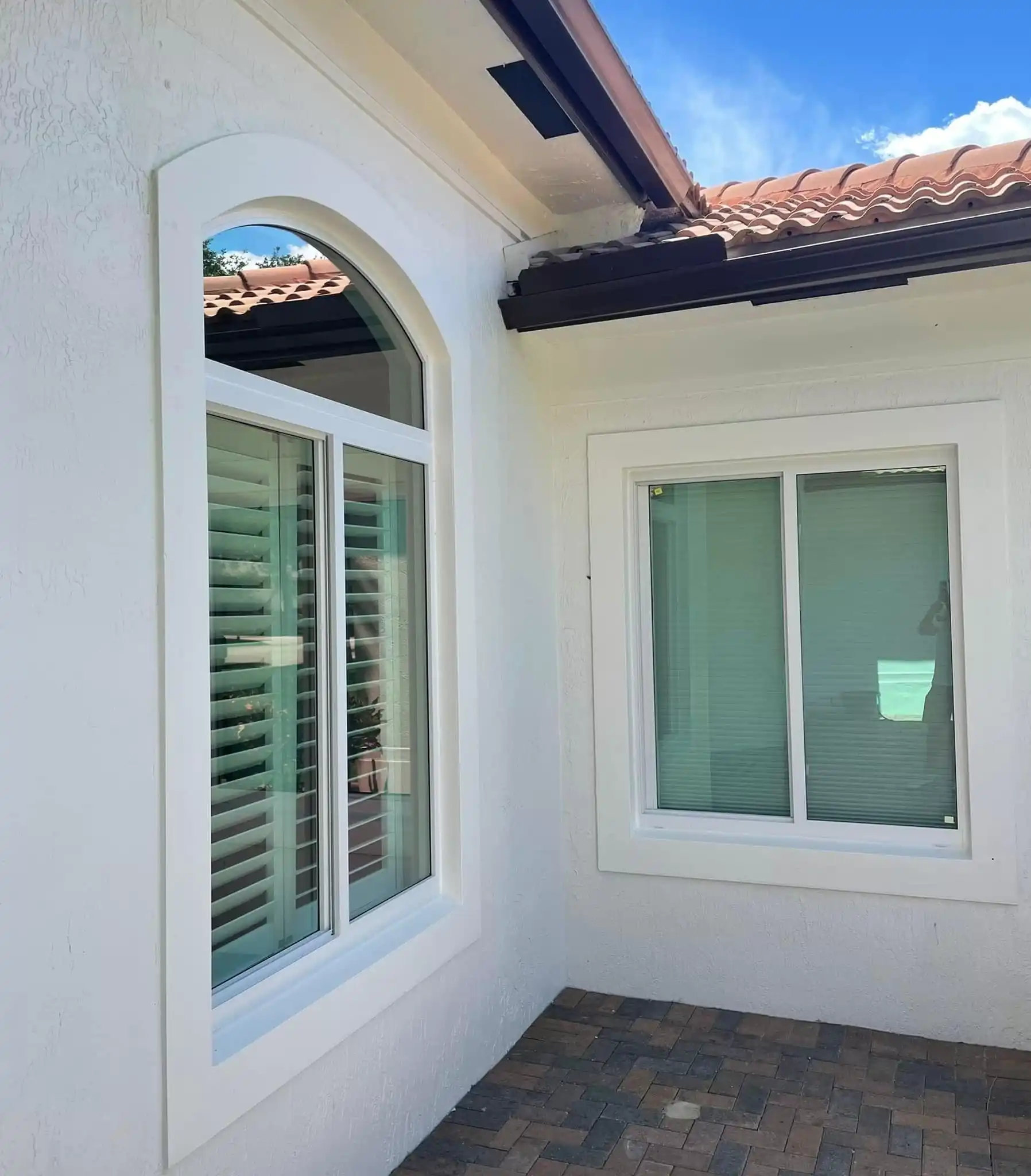
The frame is the fixed outer structure. It anchors the window into the building wall. It carries the load, maintains alignment and ensures the window remains stable over time. Materials typically include vinyl, aluminum, wood, or fiberglass. This depends on performance requirements.
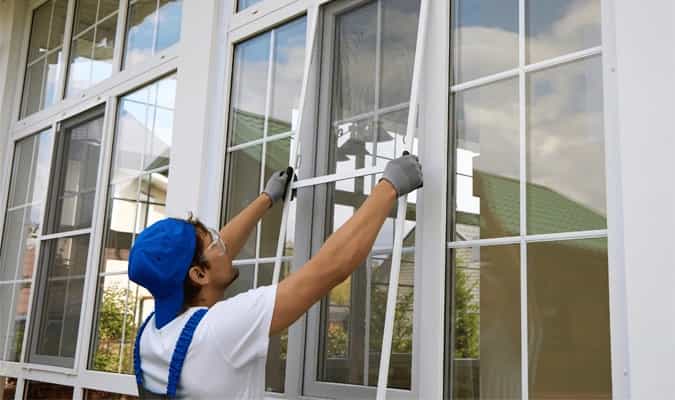
Inside the frame sits the sash. This is the movable structure that holds the glass. In single-hung or double-hung windows the sash slides vertically. In casement windows, it swings outward.
The sash is critical. Because it controls ventilation… while maintaining structural integrity around the glass.
Glass/Pane
The glass pane (also called glazing) is the most visible component and one of the most technologically advanced. Modern windows often use double or triple glazing for insulation, filled with inert gases like argon to reduce heat transfer.
Beyond clarity, glass now plays a performance role. Blocking UV rays, improving thermal efficiency as well as enhancing soundproofing. In premium builds, laminated or coated glass adds an additional layer of protection and energy control.
Sill
The sill is the horizontal bottom section of the window frame. It plays a surprisingly strategic role. Directing water away from the building envelope & preventing moisture intrusion.
A well-designed sill improves drainage, reduces mold risk and supports overall structural longevity. In modern architecture, sill design is as much about water management as it is about aesthetics.
Jambs & Head
The jambs are the vertical sides of the window frame. The head is the top horizontal section. Together they form the perimeter boundary that keeps the sash aligned and stable.
These components also house weather seals and help maintain airtight performance. If the jambs or head are compromised, you immediately see issues. Like air leakage, misalignment, or operational friction. These are clear signals of system degradation.
Muntins & Mullions
Muntins are the thin strips that divide glass panes within a single sash, often used for aesthetic grid patterns. Mullions on the other hand are structural vertical or horizontal members separating multiple window units.
While muntins are often decorative in modern windows (simulating traditional divided lights), mullions are structural and contribute to load distribution in larger installations like bay or picture windows.
Hardware & Weatherstripping
This is the operational intelligence layer of the window system. Hardware includes locks, handles, hinges and latches that control movement and security.
Weatherstripping consists of seals placed around movable parts to block air, water, and dust infiltration. Together, they define how airtight a window feels in day-to-day use.
When these components degrade, you get drafts, noise leakage, and reduced energy efficiency. Classic system failure symptoms in building performance terms.
Parts of Impact-Resistant Windows
### Laminated Glass System Impact-resistant windows rely on laminated glass, which sandwiches a durable interlayer (commonly PVB or SGP) between glass sheets.
Laminated Glass System
Impact-resistant windows rely on laminated glass, which sandwiches a durable interlayer (commonly PVB or SGP) between glass sheets. When struck, the glass may crack… but it stays bonded. So it prevents dangerous shattering.
This is the core safety mechanism and the primary reason these windows are used in hurricane-prone regions.
Reinforced Frame Structure
The frame in impact windows is significantly stronger than standard designs. It’s engineered using reinforced aluminum, vinyl composites, or engineered fiberglass to withstand high wind pressures and debris impact.
The frame and glass system are designed to act as one integrated defense unit.
High-Strength Seals & Bonding
Advanced sealants and edge bonding systems ensure that laminated glass stays fixed under stress. These seals also maintain airtight and watertight performance even when external pressure spikes during storms.
This is critical for preventing structural failure during extreme weather events.
Impact-Rated Hardware System
The hardware in impact windows is not standard-grade. Locks, hinges & fasteners are reinforced to prevent forced entry and maintain closure under wind load pressure cycles.
In high-performance installations hardware is tested to withstand both physical impact and sustained structural stress.
Conclusion
Window parts consist of the frame, sash, glass pane, sill, jambs, head, muntins, mullions, hardware & weatherstripping.
Window parts consist of the frame, sash, glass pane, sill, jambs, head, muntins, mullions, hardware & weatherstripping. They work as an integrated system together. The goal is to deliver structural performance as well as energy efficiency.
In impact-rated systems these elements are further upgraded into a high-resilience structure featuring laminated glass, reinforced frames, sealed bonding systems & heavy-duty hardware designed for extreme conditions.
Contact SafeGuard Impacttoday.
FAQ Section
### How do window parts affect energy efficiency? It is driven by the combined performance of the glass, sash sealing, weatherstripping, and frame insulation.
How do window parts affect energy efficiency?
It is driven by the combined performance of the glass, sash sealing, weatherstripping, and frame insulation. Multi-pane glazing with gas fills reduces heat transfer. Tight seals prevent air leakage. Even small gaps in jambs or hardware alignment can degrade thermal performance.
Which window components are most likely to fail over time?
Most common failure points are weatherstripping, hardware mechanisms (locks/hinges) and sealants around the glass unit.
These parts experience the most physical movement & environmental exposure. So they degrade faster than structural elements like frames or jambs.
How do impact-resistant windows differ internally from standard windows?
Impact-resistant systems use laminated glass, reinforced frames and high-strength bonding layers… instead of standard glazing and lightweight framing. This internal upgrade allows the window to absorb impact energy, resist pressure changes and stay intact. Even when cracked.
Free Estimate
Ready to start your project?
Tell us about your home and project. We'll get back to you within 24 hours with a free, no-obligation estimate from our licensed South Florida team.
- Licensed & Insured FL Contractor
- Local crew, no subcontractors
- Free, no-obligation estimate
- We respond within 24 hours
SafeGuard Impact Windows, Doors & Roofing
From the Blog