Strongest residential wind rating + max insurance discount
Standing seam achieves up to 175+ mph design-wind on engineered installs — clears any HVHZ exposure category and earns the largest wind-mitigation insurance discount available in Florida.
 SafeGuard Impact home
Impact Windows
Styles, brands and pricing help for hurricane-rated windows.
Impact Doors
Entry, French, sliding and patio doors rated for South Florida storms.
Roofing
Shingle, tile, metal and flat roofs for homes and businesses.
Service Areas
Impact windows and doors installed across five South Florida counties.
Miami-Dade County
Find your city
Do we serve your home?
We serve Miami-Dade, Broward, Palm Beach, Martin and St. Lucie counties.
Treasure Coast
About SafeGuard
Who we are, the work we have done, and how to reach us.
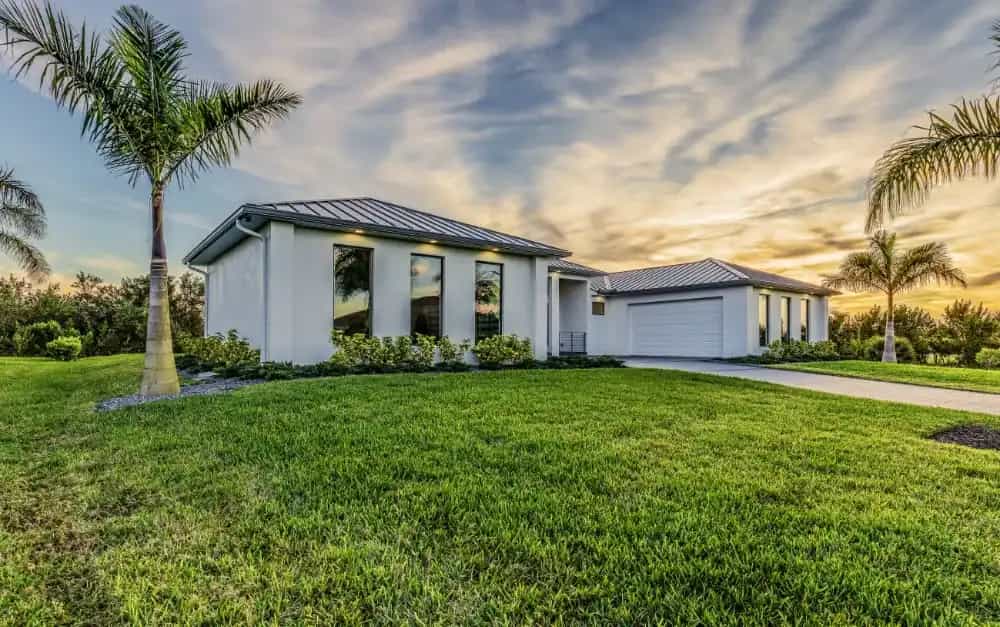
Standing seam metal roofing delivers the longest lifespan, the strongest wind performance, and the highest resale-value impact of any residential roof system. SafeGuard installs Drexel, Berridge, and Englert standing seam systems across South Florida under FL DBPR Roofing Contractor license CCC1336241 — Florida Product Approval verified per panel + clip + fastener, full permit pathway handled in-house.
Reviews
Coastal · architectural · long-hold
Standing seam achieves up to 175+ mph design-wind on engineered installs — clears any HVHZ exposure category and earns the largest wind-mitigation insurance discount available in Florida.
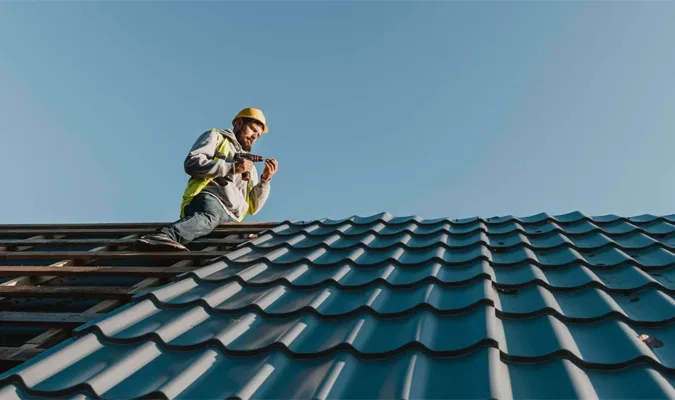
Florida requires a Certified Roofing Contractor license to pull a roof permit. SafeGuard files under FL DBPR CCC1336241, with FPA verified per panel + clip + fastener, and stays on the permit through dry-in + final.
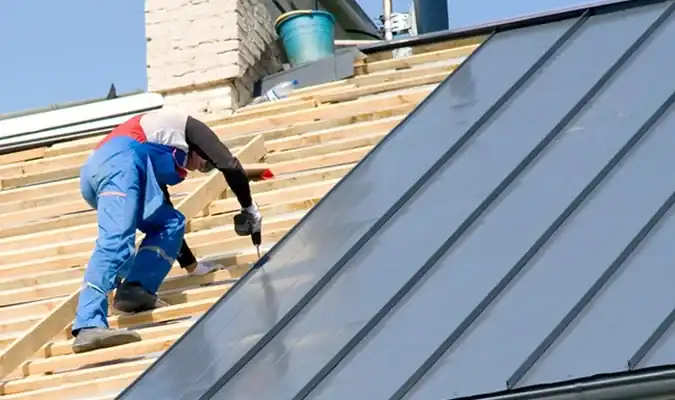
We install the four major standing seam systems. Choice typically hinges on the architect's spec, the panel profile that fits the wind-load calc, and our crew's local availability — never a one-line catalog.
At a Glance
A standing seam metal roof is the most wind-capable residential roof system certified for Florida's High-Velocity Hurricane Zone (HVHZ). Vertical interlocking panels — fastened with concealed clips, never exposed screws — eliminate the sealant failure points that eventually compromise corrugated and exposed-fastener systems. Rated to 175+ mph design-wind loads and carrying a Kynar 500 PVDF lifetime finish warranty, a standing seam installation is as close to a permanent roof as residential construction gets. This page covers substrate choices, panel geometry, the install sequence we follow under South Florida roofing codes, and what the system costs compared to tile and shingle alternatives.
Standing seam metal roofing installed in Miami-Dade County must carry a Florida Product Approval number and a Miami-Dade Notice of Acceptance (NOA) — two separate regulatory gates that most roof systems nationwide never face. The Florida Building Code Chapter 15 sets those requirements, and HVHZ uplift loads push well past what most standard residential roofing can satisfy.
The panel geometry is where performance starts. Panels run 12 to 18 inches wide with raised seams standing 1.5 to 2 inches above the panel flat. Those seams interlock mechanically — single-lock or double-lock depending on the project wind exposure — so the roof sheds water without relying on caulk or sealant at the joints. Concealed clips anchor each panel to the deck below, meaning no fastener ever penetrates the visible panel surface. On exposed-fastener corrugated metal, every screw is a future leak point once the neoprene washer degrades. Standing seam removes that failure mode entirely.
For insurance purposes, this matters beyond just leak prevention. Florida homeowners who re-roof with a qualifying standing seam system routinely see 25–40% reductions in their wind-premium line — the largest wind-mitigation discount category available in the state. Your insurer will want a wind-mitigation inspection report; we document panel attachments and substrate specs at closeout to make that inspection straightforward. You can verify our contractor license via the Florida DBPR contractor lookup under CGC1532033 (general) and CCC1336241 (roofing).
Hot-dipped Galvalume — a steel base coated in aluminum-zinc alloy — is the most cost-efficient substrate. It runs at the lower end of the $15–$30/sq ft installed range and carries the same structural wind rating as pricier options. Best choice when budget is the primary driver and coastal salt-spray exposure is limited.
Aluminum weighs roughly half as much as steel per panel, which reduces structural dead-load and makes it the standard pick for coastal and waterfront homes where salt-air corrosion would challenge even Galvalume over decades. Pricing lands in the middle of the cost band.
Zinc self-heals minor surface scratches through a natural patina process, making it popular on architecturally detailed custom homes. The soft blue-gray patina reads as a distinct aesthetic from painted steel or aluminum. Expect top-of-range pricing and longer lead times on zinc coil stock.
Copper is specified for historic restorations and high-end custom builds where long-term appearance and prestige outweigh cost. It weathers to a distinctive verdigris over 10–20 years. Lead times are longest and cost per square foot is highest of any substrate — but a copper standing seam roof can outlast the structure beneath it.
Three independent testing standards define whether a standing seam panel system is legally installable on a Florida residence. FM 4471 Class 1 covers both fire rating and uplift resistance — it is the approval benchmark used by Factory Mutual for commercial and high-end residential metal roofing. UL 580 Class 90 measures resistance to uplift forces in a separate wind-pressure chamber test; Class 90 is the highest UL uplift designation and a standard requirement for HVHZ projects. ASTM E1592 uses a uniform static air-pressure test to evaluate panel-and-clip assembly under simulated wind loads.
Every panel system we specify — whether it's a Drexel Metals snap-lock profile, a Berridge Tee-Panel, an Englert mechanically seamed system, or a McElroy Metal standing seam run — carries FM 4471, UL 580 Class 90, and ASTM E1592 listings. You can cross-check any approval against the Miami-Dade Notice of Acceptance database before we pull a permit. We do not install panel systems that lack current NOA coverage for your county's wind-speed zone.
Finish warranty is a separate but equally important spec. Kynar 500 PVDF (polyvinylidene fluoride) is the coatings industry's reference standard for architectural metal — it carries a lifetime fade-and-chalk warranty from the coil coater, not just the panel fabricator. Cheaper polyester or SMP finishes chalk visibly within 10–15 years in South Florida UV conditions. We specify Kynar 500 across all substrate types.
We measure roof planes to the inch — panel width, rake-to-ridge run length, and slope. Standing seam panels are typically rollformed on-site or delivered pre-cut to length. Either way, layout planning determines seam placement, valley detailing, and clip spacing before a single panel is moved.
We file for the roofing permit and submit the panel system's Florida Product Approval documentation to the AHJ (Authority Having Jurisdiction). In Miami-Dade, this includes the NOA datasheet for the specific panel profile being installed. Permit issuance confirms the system is code-compliant for your address's wind exposure category.
The existing roof cover is removed and the deck inspected for rot, delamination, or fastener pull-through. Damaged decking is replaced before anything goes on top. A self-adhering modified-bitumen underlayment — not felt — goes down across the full field; HVHZ code prohibits standard #30 felt under metal in wind zones above 110 mph.
Concealed clips are fastened to the deck at manufacturer-specified intervals — typically 12 to 24 inches depending on the uplift load requirement. Panels slide over the clip heads and lock together at the seam. For mechanically seamed systems (Englert and similar), a portable electric seamer crimps the interlocking seam to a double-lock profile at the ridge.
Ridge caps, rake edges, eave trims, and all penetration flashings are installed and sealed to manufacturer spec. A county inspector verifies clip attachment, seam type, and underlayment before we close out the permit. We provide the homeowner with a copy of the approved inspection card and the panel system's NOA for their insurance file.
Panel system selection matters more than most homeowners realize. Profile geometry, seam height, clip design, and substrate gauge vary significantly across manufacturers — and those variables directly affect the wind-uplift rating achieved on your specific roof slope and exposure.
Drexel Metals offers one of the broadest profile libraries in the Southeast, including their DMC Series snap-lock and their DM-40 mechanically seamed panel — both carry NOA coverage for Miami-Dade. Berridge Manufacturing's Tee-Panel is a stalwart on Florida coastal projects, particularly valued for its 2-inch seam height on high-slope applications. Englert brings commercial-grade mechanically seamed systems down to the residential market; their seaming equipment produces a consistent double-lock seam that holds up in repeat hurricane exposure. McElroy Metal rounds out our standard specification set with Galvalume coil stock in multiple gauges.
Pre-painted Kynar 500 finishes from all four manufacturers are available in color palettes that satisfy most HOA requirements across Palm Beach, Broward, and Miami-Dade counties. Lead times on stock colors run 2–4 weeks; custom color matches add 3–6 weeks. If you're researching system performance data independently, the Metal Roofing Alliance publishes third-party wind and energy performance comparisons by panel type. For a full overview of how metal fits alongside other residential systems — from flat roofing on low-slope sections to tile on main pitches — see our residential roof installation guide.
| Standing Seam Metal | Concrete & Clay Tile | |
|---|---|---|
| Wind rating | 175+ mph design wind | 150–160 mph (varies by tile profile and attachment) |
| Lifespan | 50+ years (substrate-dependent) | 50+ years (clay); 40–50 years (concrete) |
| Installed cost | $15–$30/sq ft | $12–$25/sq ft (concrete); $18–$35/sq ft (clay) |
| Weight on structure | 1.0–3.0 lbs/sq ft — no structural upgrade needed | 9–12 lbs/sq ft — may require truss evaluation |
| Insurance discount | 25–40% wind premium reduction (highest tier) | Moderate — varies by attachment method |
| Foot-traffic during maintenance | Panels can dent under point loads — limit access | Tiles crack under direct foot traffic |
| Aesthetic range | Modern, industrial, contemporary — broad color palette | Mediterranean / Spanish Colonial — regional standard |
| Best fit | Max wind performance + long-term insurance savings | HOA requiring Mediterranean look; [concrete + clay tile](/tile-roof-installation/) |
Standing seam metal makes the most financial sense when two conditions are true: the homeowner plans to stay in the property long enough to recover the premium over shingle costs, and the wind-insurance savings are factored into the total-cost analysis. On a $25,000 metal roof with a $1,800/year wind-premium reduction, breakeven against a $12,000 asphalt shingle roofing replacement runs roughly 7–9 years — after which the savings continue for decades with no second re-roof required.
Metal is also the answer when structural load is a constraint. At 1–3 lbs per square foot, a standing seam panel system adds almost nothing to the load path. Concrete tile at 9–12 lbs/sq ft occasionally triggers an engineering review of rafters or trusses — an added cost that does not apply to metal.
Where standing seam is less compelling: homes with complex roof geometry featuring many hips, valleys, and penetrations see higher labor costs because each intersection requires custom-fabricated trim and flashing. On a simple gable or hip roof, panel runs are long and trim details are minimal. On a heavily articulated custom roof, the labor premium can close the gap between metal and tile pricing significantly. Our estimators walk every roof plan before quoting — we will tell you honestly when the geometry favors a different system. Financing is available for qualifying homeowners regardless of which system you choose.
From our project library
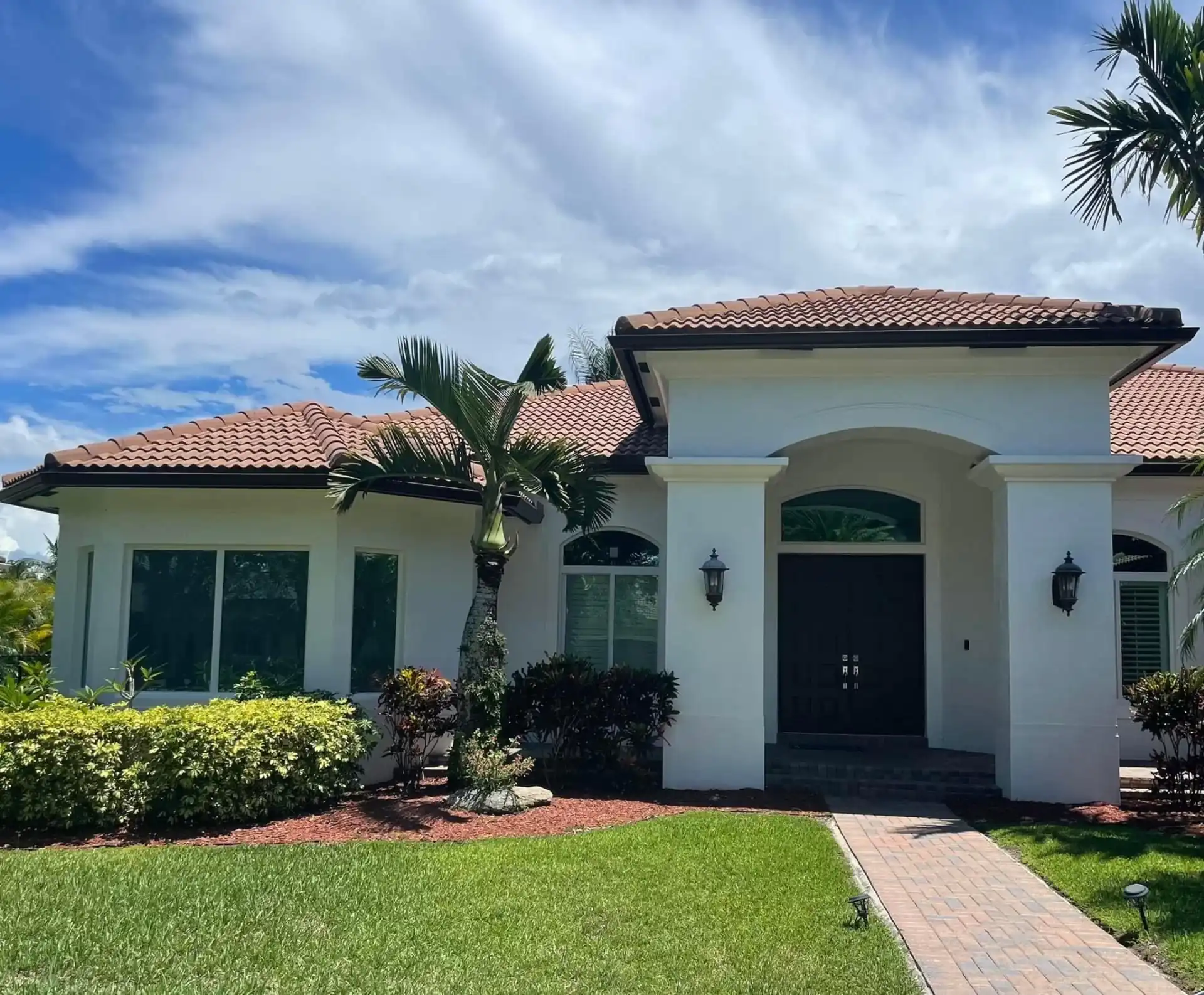
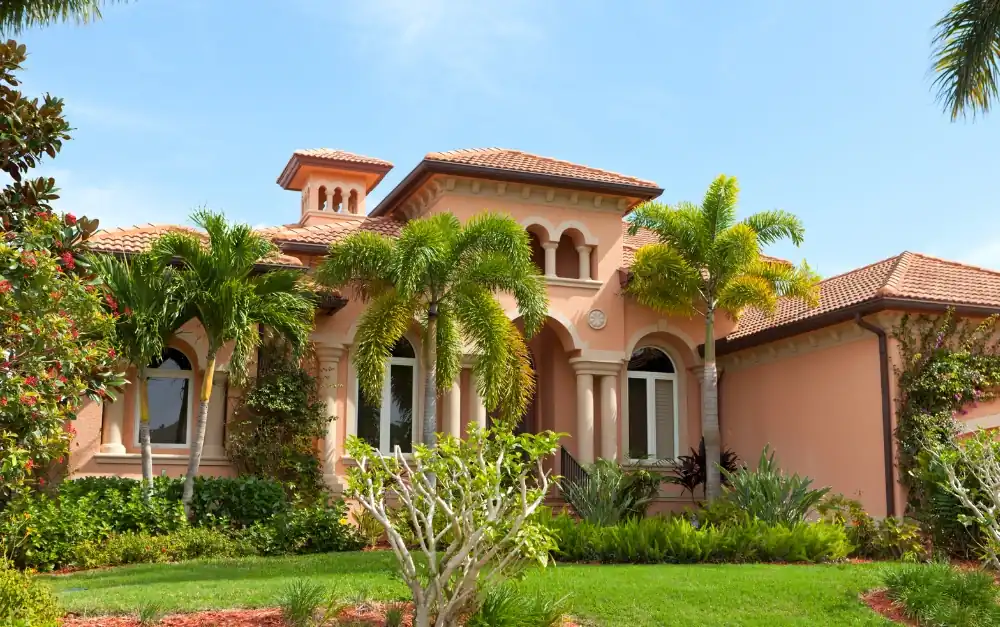
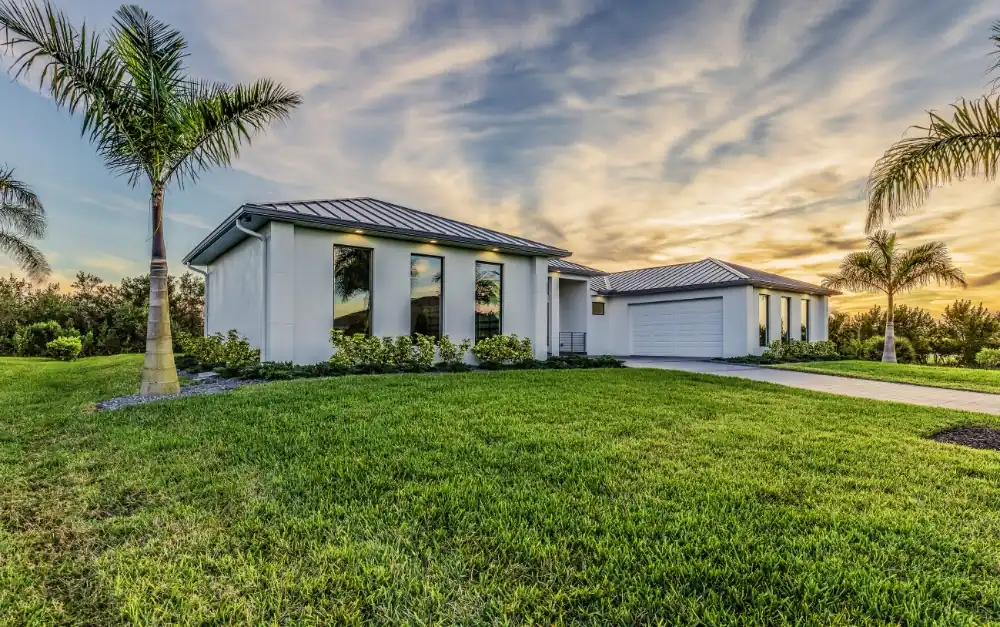
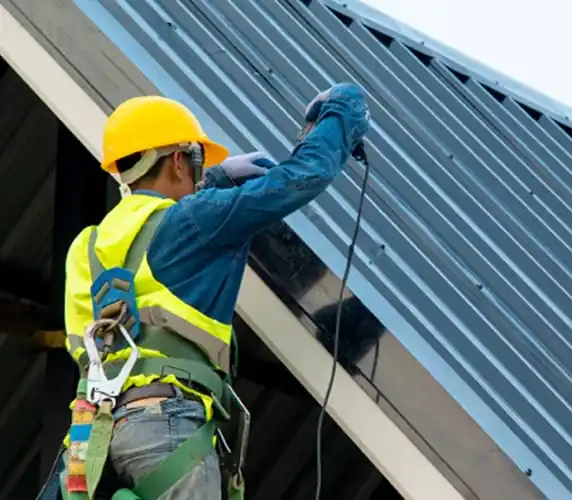
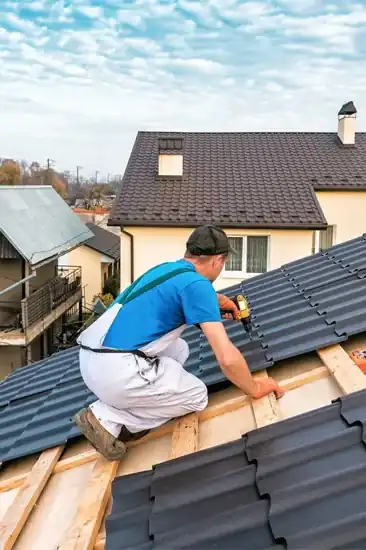
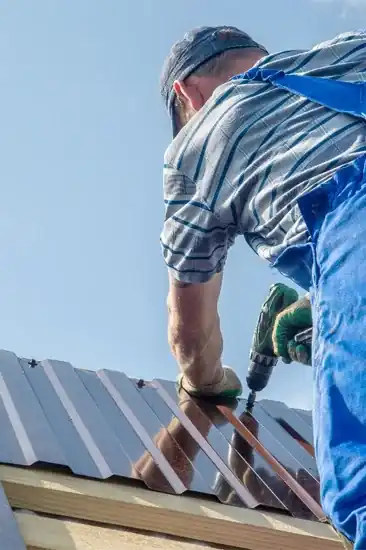
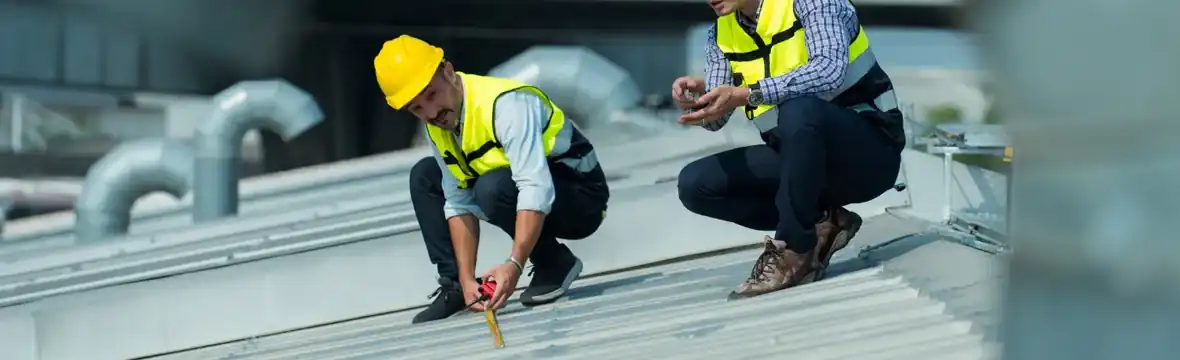
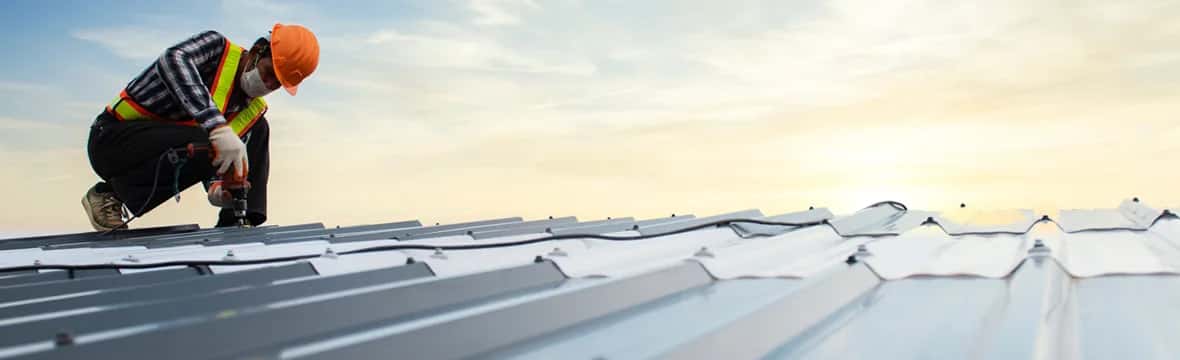
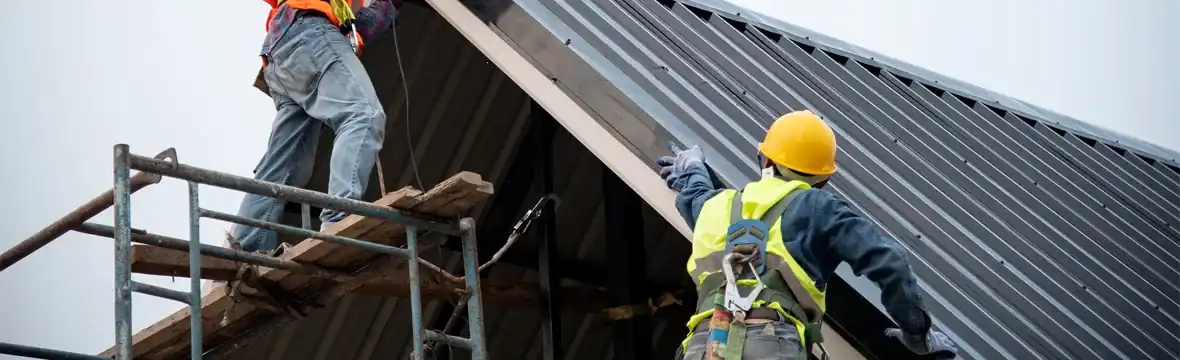
Real SafeGuard installs from the JobNimbus library — Drexel + Berridge standing seam systems on coastal and inland South Florida homes.

Project scope
Concealed-fastener standing seam (residential premium) vs exposed-fastener corrugated/R-panel (agricultural/industrial). Standing seam wins on lifespan + paint warranty; corrugated wins on upfront cost only.
Learn moreAluminum substrate + 2" mechanical-lock seams + engineered fastener pattern for coastal exposure (ASCE 7 Exposure D). Required on oceanfront and within ~1500 ft of large open water.
Learn moreMost-installed residential system in South Florida. ASTM D7158 Class H wind rating (150 mph), 25-30 year manufacturer warranty, lowest installed cost per square. GAF, Owens Corning, CertainTeed lines.
Learn moreMediterranean South Florida aesthetic — 50+ year lifespan, strongest resale value impact in the coastal market. Eagle, Boral, MCA product lines. Requires deck-load review on older homes.
Learn moreTPO + modified bitumen single-ply systems for commercial properties, residential additions, and lanai roofs. Carlisle, Mule-Hide, GAF product lines. 20-30 year warranties.
Learn moreFull roof replacement on any of the four systems — shingle, tile, metal, flat. Full permit pathway, dry-in + final inspections, manufacturer warranty registration, wind-mitigation report.
Learn moreFrequently asked
A properly installed standing seam metal roof in South Florida carries a realistic service life of 50+ years, depending on substrate. Galvalume steel and aluminum panels typically reach 50–60 years in coastal conditions; zinc and copper installations can outlast that significantly. The Kynar 500 PVDF finish warranty covers lifetime fade and chalk, so color retention is not the limiting factor — substrate corrosion protection is. South Florida's salt-air environment makes aluminum a smart mid-tier choice over Galvalume for homes within a mile of tidal water.
Panel systems we install in Miami-Dade are rated to 175+ mph design-wind loads — the highest category in residential roofing. Every system must carry a Miami-Dade Notice of Acceptance (NOA) and Florida Product Approval number confirming compliance with HVHZ uplift requirements under the Florida Building Code. UL 580 Class 90 and FM 4471 uplift listings are the independent test benchmarks behind those approvals. No exposed-fastener metal system achieves equivalent ratings because screw pull-through under cyclic wind loading limits the assembly's capacity.
Yes — standing seam metal roofing typically qualifies for the largest wind-mitigation insurance discount available to Florida homeowners: 25–40% off the wind-premium portion of the policy. The discount is documented through a post-installation wind-mitigation inspection report, which your insurer requires. We provide panel attachment documentation and the system NOA at project closeout to simplify that inspection. Actual savings depend on your carrier, policy structure, and the inspection results, but the discount category for qualifying metal roofs is the highest tier in Florida's wind-mit credit schedule.
Most HOAs in Palm Beach, Broward, and Miami-Dade counties permit standing seam metal roofing, though color and profile approval processes vary. Florida law (FS 723.023 and related statutes) limits HOA authority to reject metal roofing outright, but HOAs can require specific colors or finishes. Kynar 500-coated panels are available in a wide palette — including earth tones and muted grays that satisfy most HOA aesthetics policies. We recommend pulling your HOA's architectural standards before finalizing a color selection; we can provide panel color samples to submit with your HOA application.
The core difference is fastener placement. Corrugated and exposed-fastener R-panel systems use screws that penetrate the panel surface; each screw relies on a neoprene washer to seal against water intrusion. Those washers degrade in South Florida's UV and heat environment within 10–20 years, creating leak points across the entire roof field. Standing seam panels attach via concealed clips — no fastener penetrates the visible panel surface. That single design difference accounts for the standing seam system's superior wind rating, longer lifespan, and lower long-term maintenance cost in Florida's climate.
Installed cost ranges from $15 to $30 per square foot across the Miami-Dade, Broward, Palm Beach, and Martin county markets. Galvalume steel is at the lower end; aluminum sits mid-range; zinc and copper reach the top. Roof complexity is the biggest labor variable — straightforward gable and hip roofs run toward the lower end of each substrate's range. Highly articulated rooflines with multiple valleys, dormers, or penetrations push toward the top. Financing is available for qualifying homeowners; visit our financing page for installment plan details.
Our standard specification set includes Drexel Metals, Berridge, Englert, and McElroy Metal — all of which hold current Florida Product Approval and Miami-Dade NOA listings for the panel profiles we install. Each manufacturer offers Kynar 500 PVDF-coated panels in a range of substrates and profiles. Drexel Metals and Berridge are particularly common on South Florida residential projects due to their broad NOA coverage and available Galvalume and aluminum coil stock. We can provide NOA documentation for any panel system before contract signing so you can verify approvals independently.
Free in-home estimate that includes the panel-system comparison, wind-load calculation, and full permit pathway in writing — sealed plans, FPA verification per material, Notice of Commencement, and dry-in plus final inspections.
Content Disclosure
This article is provided for general information only and reflects current Florida Building Code requirements, common South Florida construction practices, and SafeGuard's field experience. Actual project costs, permit requirements, material availability, and timelines vary based on your home, municipality, and project scope. Florida law requires that any residential construction work over $1,000 be performed by a licensed contractor — always consult a Florida-licensed contractor before starting an impact-window, impact-door, or roofing project and verify credentials at myfloridalicense.com. This guidance is not a substitute for a project-specific estimate or on-site evaluation by a licensed professional.