All 4 residential roof systems on one license
Shingle, tile, metal, flat — we install all four under FL DBPR CCC1336241. The right system is the one that fits your home + budget + hold timeline; we don't have a one-line catalog to push.
 SafeGuard Impact home
Impact Windows
Styles, brands and pricing help for hurricane-rated windows.
Impact Doors
Entry, French, sliding and patio doors rated for South Florida storms.
Roofing
Shingle, tile, metal and flat roofs for homes and businesses.
Service Areas
Impact windows and doors installed across five South Florida counties.
Miami-Dade County
Find your city
Do we serve your home?
We serve Miami-Dade, Broward, Palm Beach, Martin and St. Lucie counties.
Treasure Coast
About SafeGuard
Who we are, the work we have done, and how to reach us.
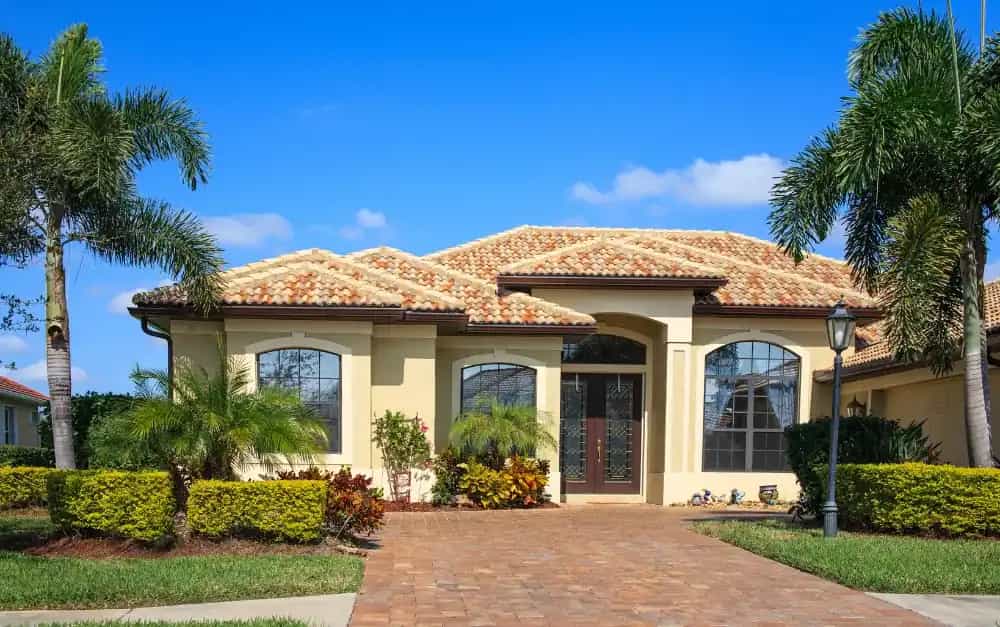
Residential roof replacement covers any of the four South Florida residential roof systems — asphalt shingle, concrete or clay tile, standing seam metal, or flat (TPO / modified bitumen). SafeGuard handles the entire pathway under FL DBPR Roofing Contractor license CCC1336241 — free roof assessment, system selection, sealed engineered plans, permit pulled under our license, dry-in + final inspections, and the wind-mitigation report your insurance carrier needs at close-out.
Reviews
All 4 residential systems
Shingle, tile, metal, flat — we install all four under FL DBPR CCC1336241. The right system is the one that fits your home + budget + hold timeline; we don't have a one-line catalog to push.
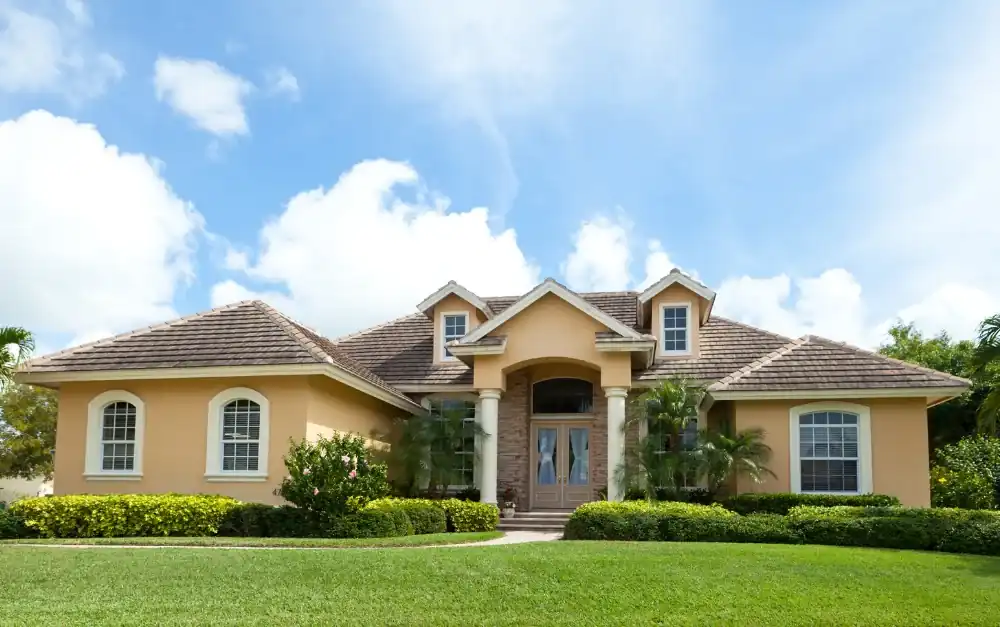
Every component on the roof — underlayment, shingle/tile/panel, ridge cap, drip edge, fastener — has to match the FPA on the engineering submittal. We verify FPA at order time + install time so the inspector finds the artifact they're looking for.
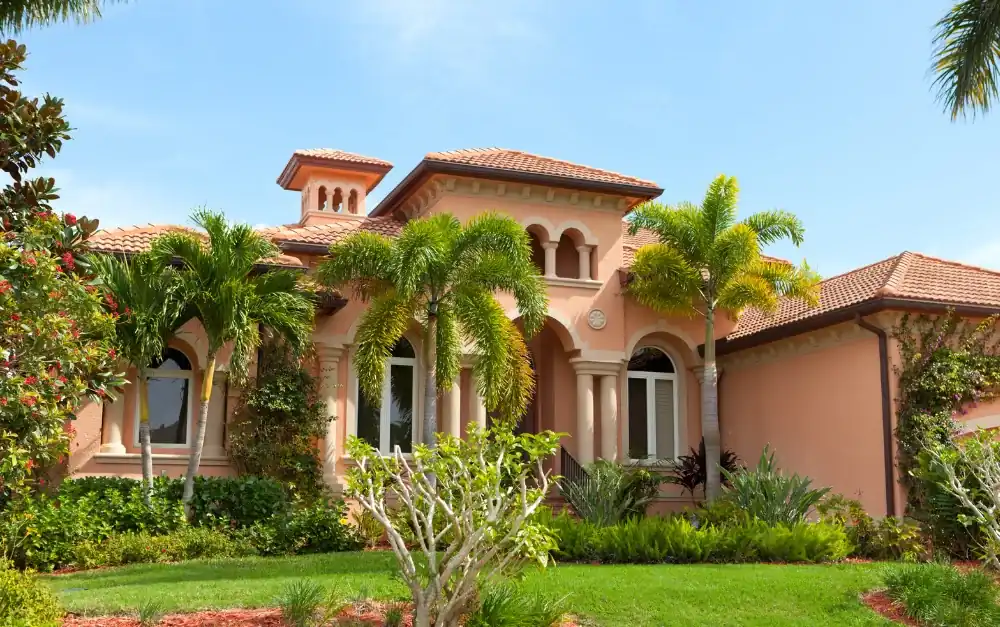
Project close-out includes the engineer-signed wind-mitigation report your insurer needs for the discount, plus the manufacturer warranty registered in your name. Both are deliverables — not afterthoughts.
At a Glance
A South Florida re-roof is a regulated construction project — not a maintenance call. Whether your home needs new asphalt shingles, a clay tile system, standing seam metal, or a flat TPO membrane over an addition, the permit pathway, inspection sequence, and wind-rating requirements are dictated by the Florida Building Code. SafeGuard holds Roofing Contractor license CCC1336241, which is the license class required to pull a residential roof permit in Florida. Below is a system-by-system breakdown of what governs each installation, what each system costs, how long it lasts, and what your insurance carrier expects to see at close-out.
Residential roof installation in Miami-Dade and Broward County must comply with the High-Velocity Hurricane Zone (HVHZ) chapter of the Florida Building Code — the most demanding residential wind standard in the United States. Every component — from the deck attachment pattern to the underlayment to the finished roof covering — must carry a current Florida Product Approval number issued by the Florida Building Commission, or a Miami-Dade Notice of Acceptance (NOA) verified through the Miami-Dade product approval database. Palm Beach and Martin County projects fall under the standard FBC wind map but still require product-approved materials tied to the local design wind speed.
One critical compliance point homeowners frequently miss: a General Contractor license alone does not authorize a company to pull a roof permit in Florida. State law requires a licensed Roofing Contractor — license class CCC — for that work. SafeGuard carries both CGC1532033 (General Contractor) and CCC1336241 (Roofing Contractor), so the same firm that handles your window and door scope can legally pull and close the roof permit without a subcontract handoff. You can verify both licenses independently through the Florida DBPR contractor lookup.
For a broader look at how HVHZ code shapes every roofing decision — deck type, fastener schedules, underlayment layers — the South Florida roofing pillar page covers the regulatory framework in full.
The most-installed residential system in Florida. Rated to 150 mph when installed per HVHZ nail patterns. Lifespan runs 18-25 years. Installed cost typically $8-$13/sq ft. Best fit for homeowners balancing upfront cost against a mid-range service life. See the full spec sheet on the asphalt shingle page.
The Mediterranean aesthetic that defines much of South Florida. Wind ratings exceed 175 mph with proper mortar or foam-set attachment. Lifespan of 50-75+ years makes it the lowest lifecycle-cost option for most owners who plan to hold the property long-term. Full coverage on the concrete + clay tile page.
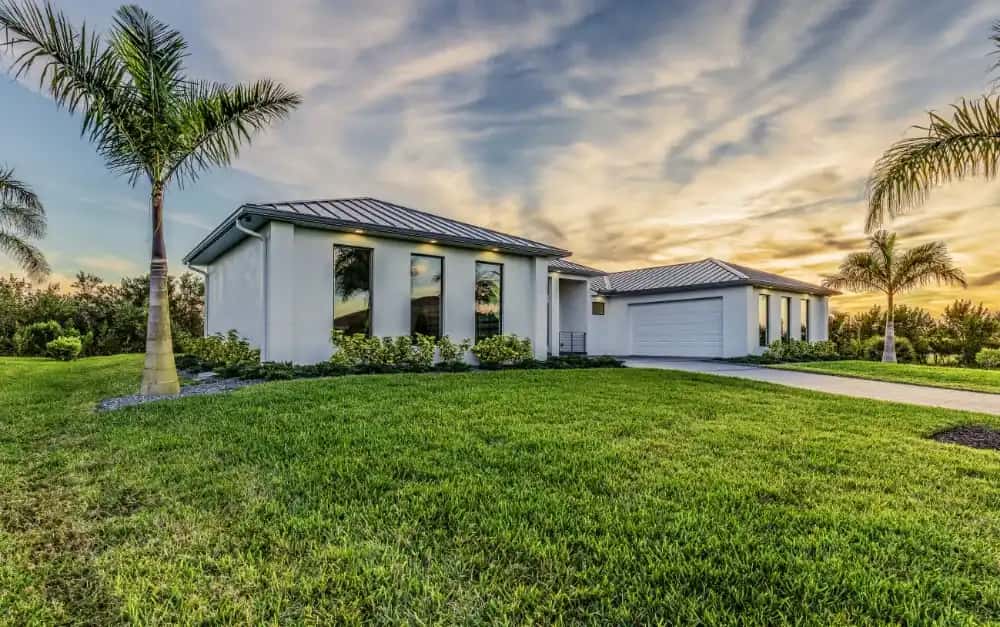
Maximum wind performance — 175+ mph — and a 50+ year lifespan with essentially zero granule loss or biological growth issues. Installed cost runs $18-$30/sq ft depending on panel profile and gauge. Strong candidate for coastal lots with highest wind-exposure categories. Details at the standing seam metal page.
Required for low-slope additions, lanais, and garage transitions where pitch is below 2:12. TPO membranes and modified bitumen systems are rated to 120 mph. Lifespan 20-30 years. Scope and pricing details at the flat roofing page.
After contract execution, SafeGuard submits a permit application to the Authority Having Jurisdiction (AHJ) — the county or municipality building department. In HVHZ counties, plan review runs 21-45 business days depending on department workload and whether a product-substitution review is needed. Non-HVHZ jurisdictions (Palm Beach, Martin) are often faster. We build that window into your project schedule upfront so there are no surprises.
Once the permit is in hand, physical installation takes 2-6 business days depending on roof area, system complexity, and deck condition discovered during tear-off. Tile and metal installs generally take longer than shingle due to batten layout and fastener sequencing. Flat membrane work on an addition can be as fast as one day for a small section.
At final inspection, the building department inspector verifies fastener pattern compliance, underlayment laps, and product approval numbers on packaging left on-site. After the permit closes, SafeGuard issues a wind-mitigation report documenting the roof covering type, attachment method, and deck-to-truss connection — the exact attributes your insurance carrier needs to calculate your wind-mitigation insurance discount. That discount runs 15-35% off the wind portion of your premium, which on a South Florida policy is often the largest single line item.
A licensed inspector measures the roof, documents existing system condition, photographs deck and fascia, and runs a 4-system comparison covering cost bands and lifecycle math. You can request a free residential roof assessment to start this step.
Once you select a system, SafeGuard prepares the permit package — drawings, Florida Product Approval numbers, NOA references — and submits to the AHJ. We track the review queue and follow up at the 10-business-day mark if no comments have issued.
Approved materials arrive staged to your driveway. Tear-off of the existing system follows, with deck inspection for rot, delamination, or damaged sheathing. Any deck repairs are documented and included in the permit scope before new material goes down.
Underlayment, then the finished system, installed to the approved fastener schedule. For tile and metal, a dry-in inspection typically precedes the finish installation. All inspection requests are filed by SafeGuard — you don't coordinate with the building department.
After the final inspection passes, SafeGuard delivers the closed permit card, manufacturer warranty documents, and the wind-mitigation report. Present that report to your insurer to capture the wind-mitigation insurance discount on your next renewal.
Every residential roof installation SafeGuard completes carries three layers of coverage. First, the manufacturer product warranty — terms vary by brand and system, but tile and metal manufacturers typically offer 50-year limited coverage on the material itself. Shingle manufacturers offer 25-30 year limited warranties on qualifying installs. Second, SafeGuard issues its own installation warranty covering labor defects — workmanship problems that aren't material failures. Third, the wind-mitigation report is not just an insurance document; it's a record of how the roof was built, which becomes part of the home's permanent disclosure file at resale.
Homeowners weighing shingle versus tile often focus on the upfront cost gap and miss the lifecycle picture. A tile roof installed today at $14-$18/sq ft may outlast two shingle replacements, especially given Florida's UV exposure and biological growth (algae, lichen) that accelerates shingle degradation in humid coastal climates. The concrete + clay tile page walks through the 30-year cost-per-year math in detail. If energy performance and storm resistance take priority over aesthetics, the standing seam metal page covers reflectivity ratings and insurance underwriting advantages specific to metal.
For homes with flat-roof sections on additions or lanais, those areas must be addressed as part of the same permit if they share the main roof deck — a common code-compliance trap on older homes with permitted additions. The flat roofing page covers low-slope design requirements and membrane selection.
| Residential Roof Installation | Commercial Roof Installation | |
|---|---|---|
| Typical system types | Shingle, tile, standing seam metal, TPO/mod-bit for add-ons | Large-scale TPO, EPDM, built-up systems, standing seam over wide spans |
| Code chapter | FBC Residential (R-series) + HVHZ for Miami-Dade/Broward | FBC Commercial (C-series) + FM Global or UL wind uplift ratings |
| Permit pathway | Residential building permit; single-family inspector track | Commercial permit; may require engineer-of-record stamped drawings |
| Deck type | OSB or plywood sheathing over wood trusses | Steel deck, concrete, or lightweight concrete over structural steel |
| Warranty structure | Manufacturer product + SafeGuard labor + wind-mit report | Manufacturer system warranty (NDL) covering both material and labor |
| SafeGuard scope | All four residential systems across 4-county service area | See [commercial roof installation](/commercial-roof-installation/) for scope details |
Homeowners routinely discover — after the fact — that a contractor who completed their roof used a General Contractor license to pull the permit rather than a CCC Roofing Contractor license. In Florida, that's an unlicensed roofing activity, which can void the manufacturer warranty, expose the homeowner to code-violation liens, and complicate an insurance claim if the work is later identified as unpermitted or improperly permitted.
Safeguard's roofing license CCC1336241 is on file with the Florida DBPR and listed on every permit application we submit. When you request a free residential roof assessment, the proposal you receive will show the CCC license number alongside the scope of work — not just a CGC general contractor number. You can cross-check both license numbers at any time through the state's public Florida DBPR contractor lookup.
For homeowners who've read through customer reviews on Google and home-services platforms, the most consistent feedback from past clients is the permit and inspection management — specifically that SafeGuard handles every inspector interaction and building department follow-up without routing calls through the homeowner. That's a function of having the right license class and a dedicated permit coordinator on staff, not a marketing claim.
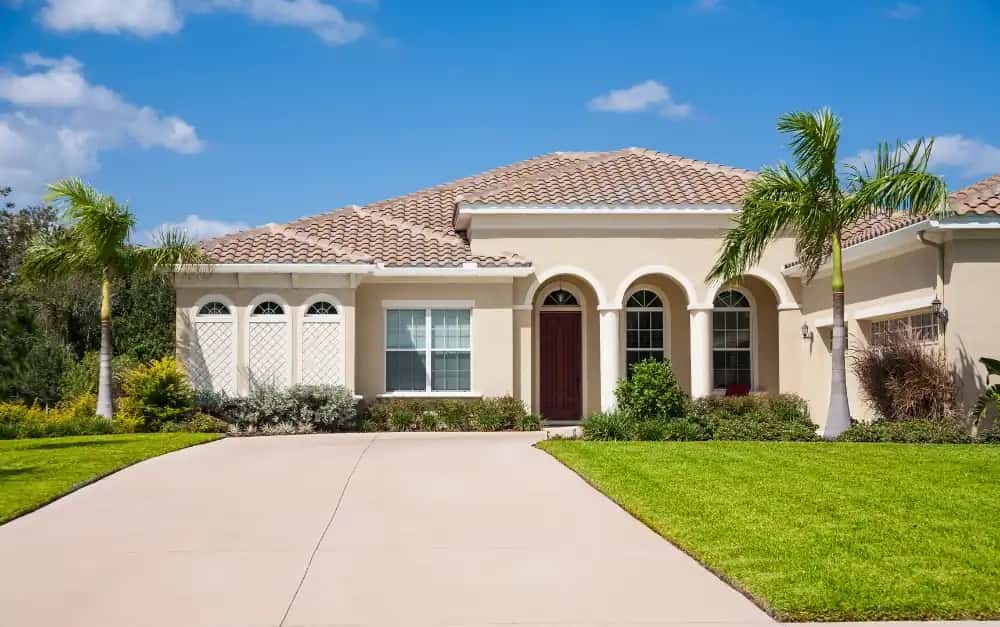
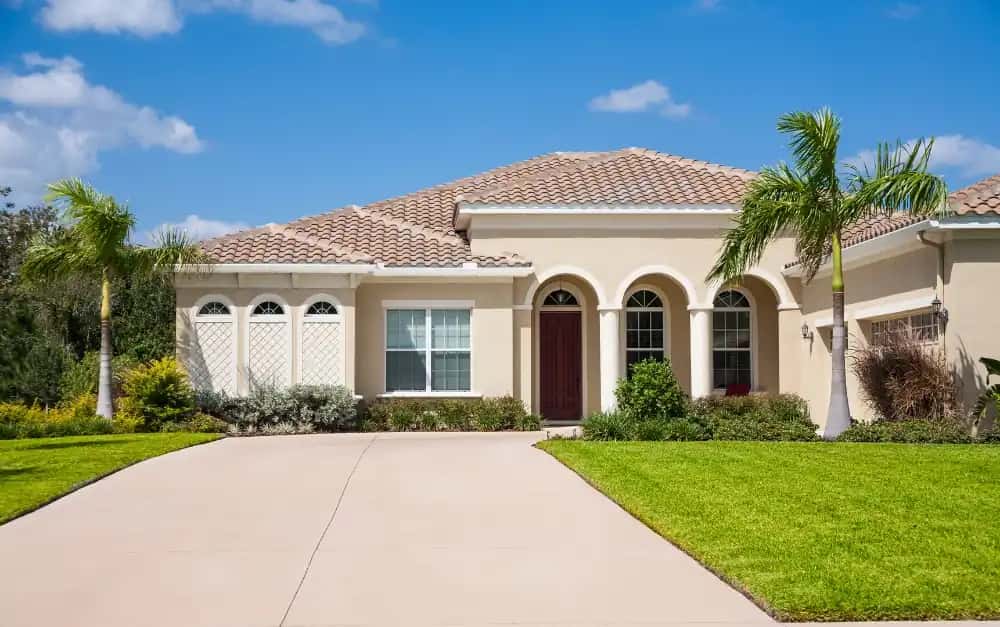
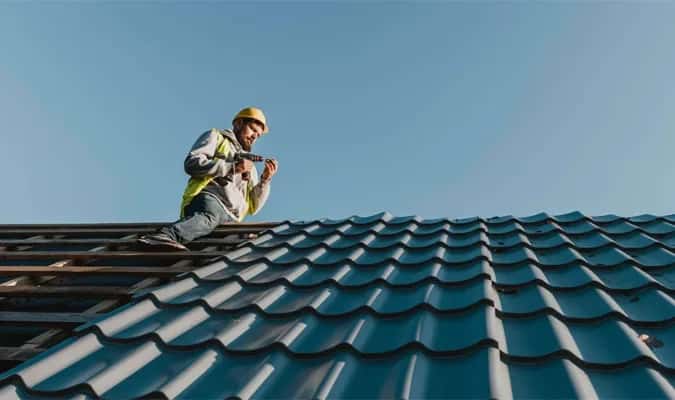
From our project library
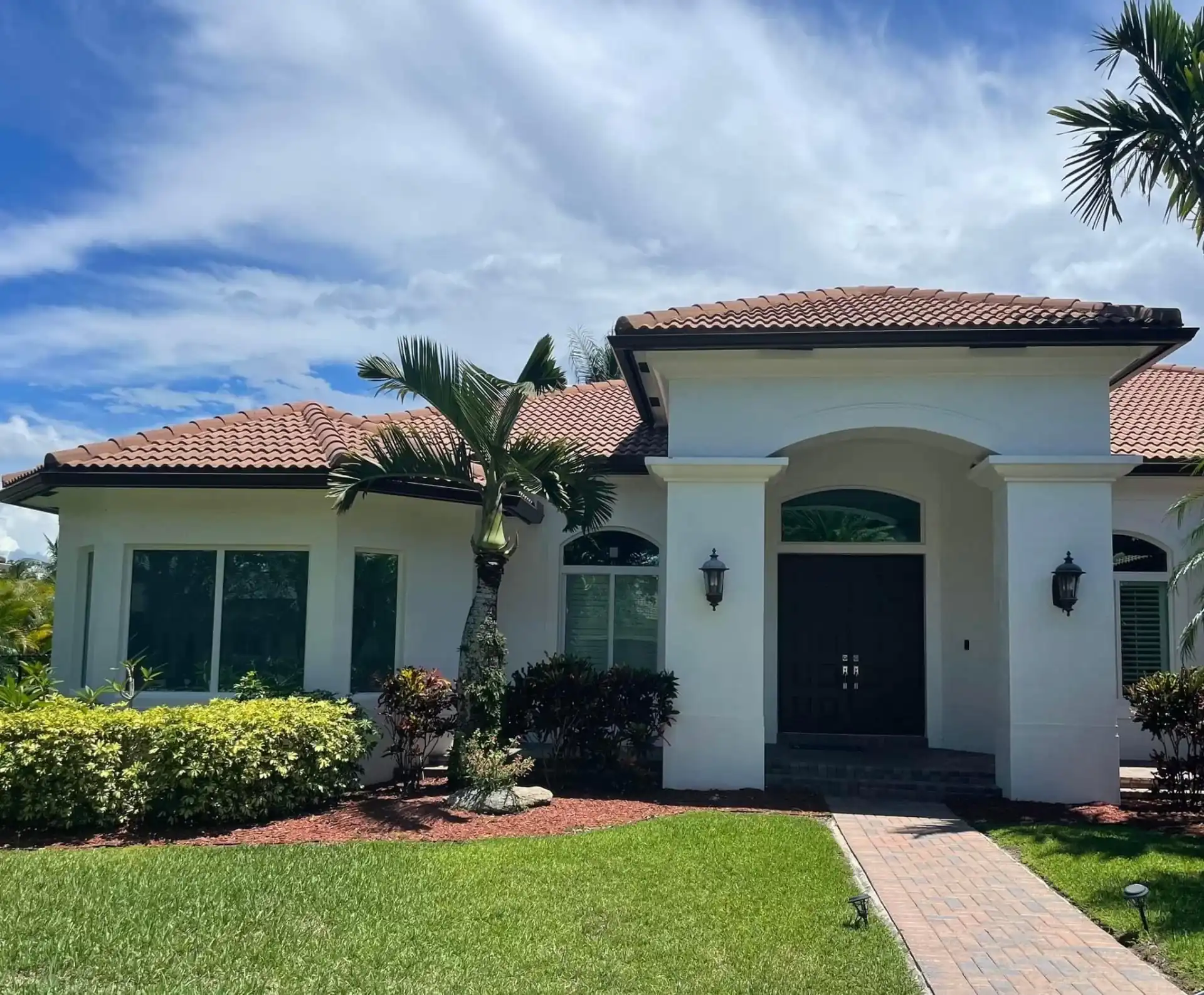
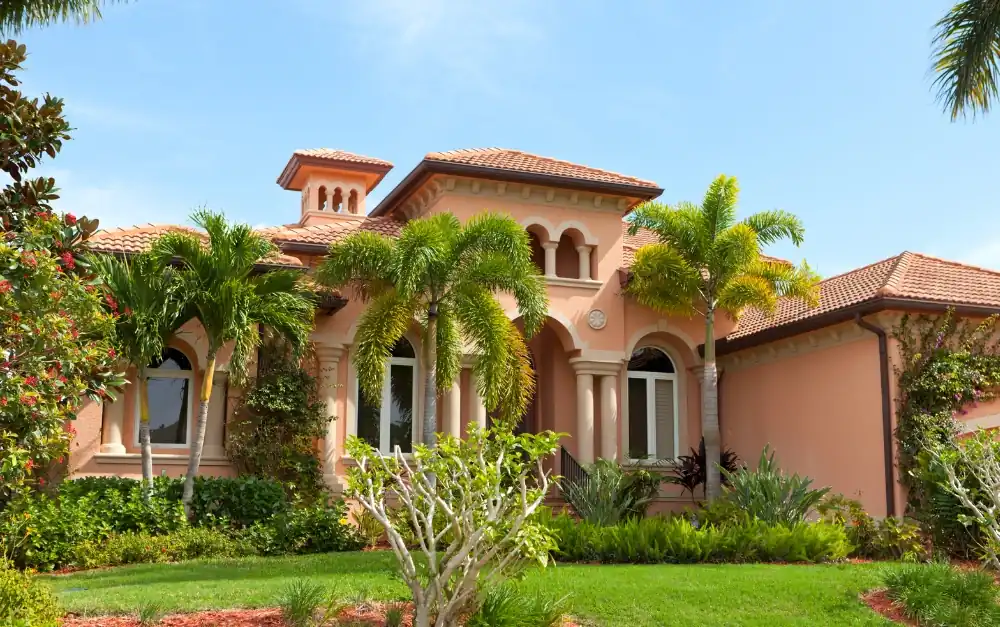
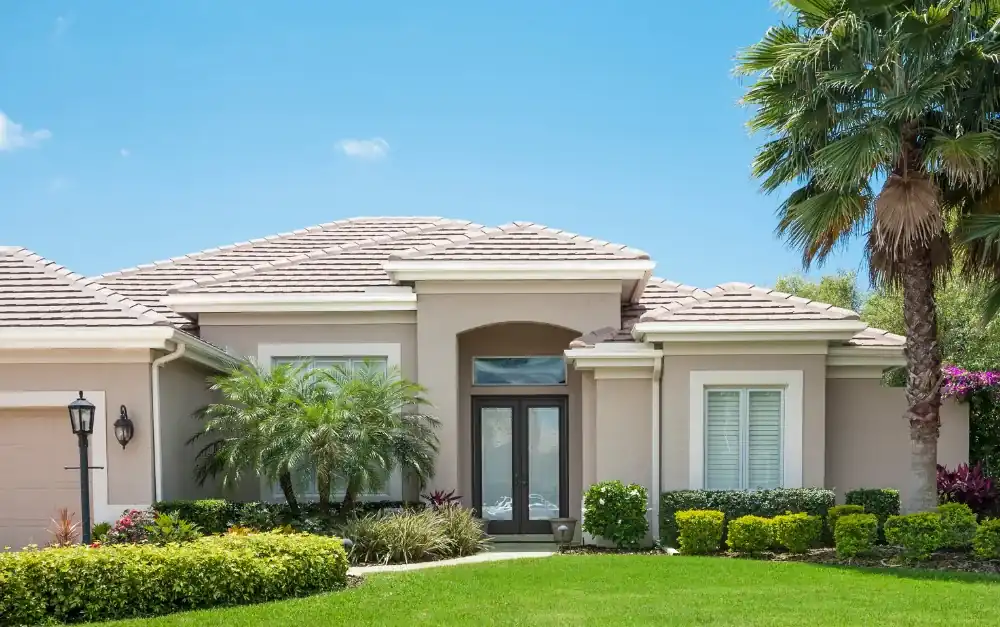
Real SafeGuard residential roof installs from the JobNimbus library — shingle + tile + metal across the four counties we serve.
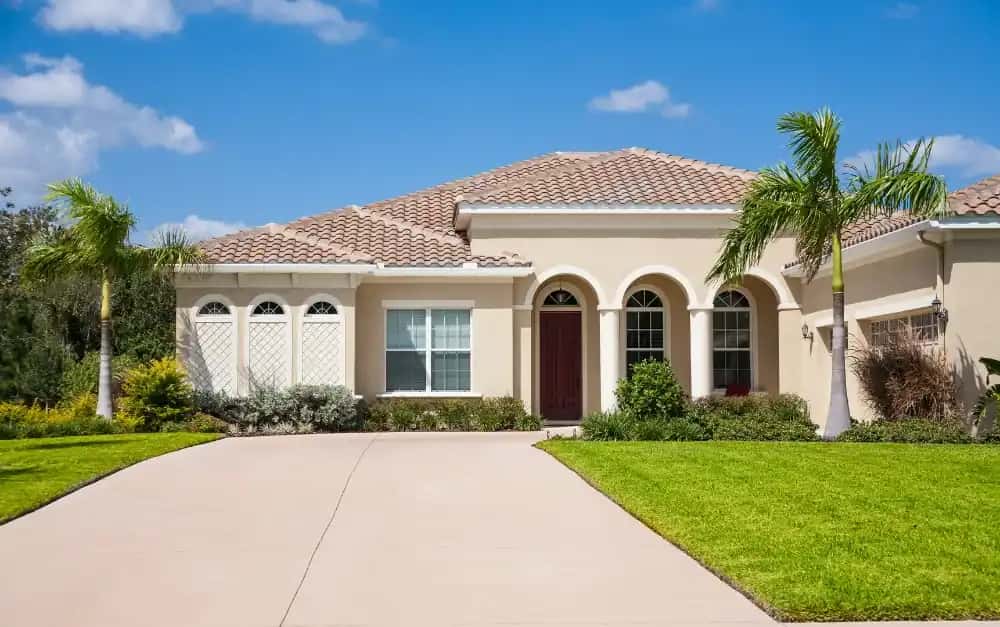
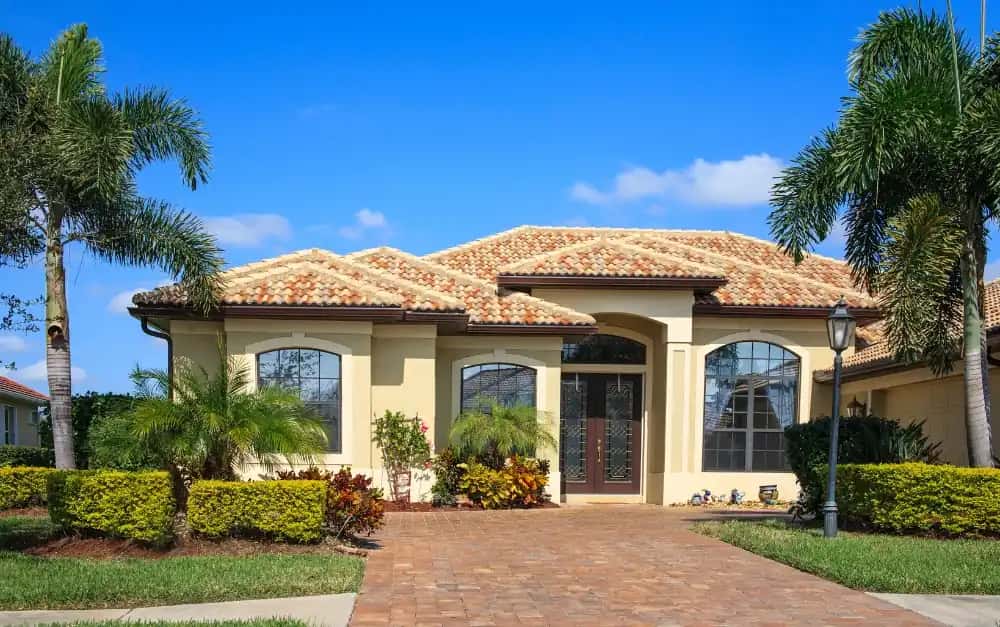
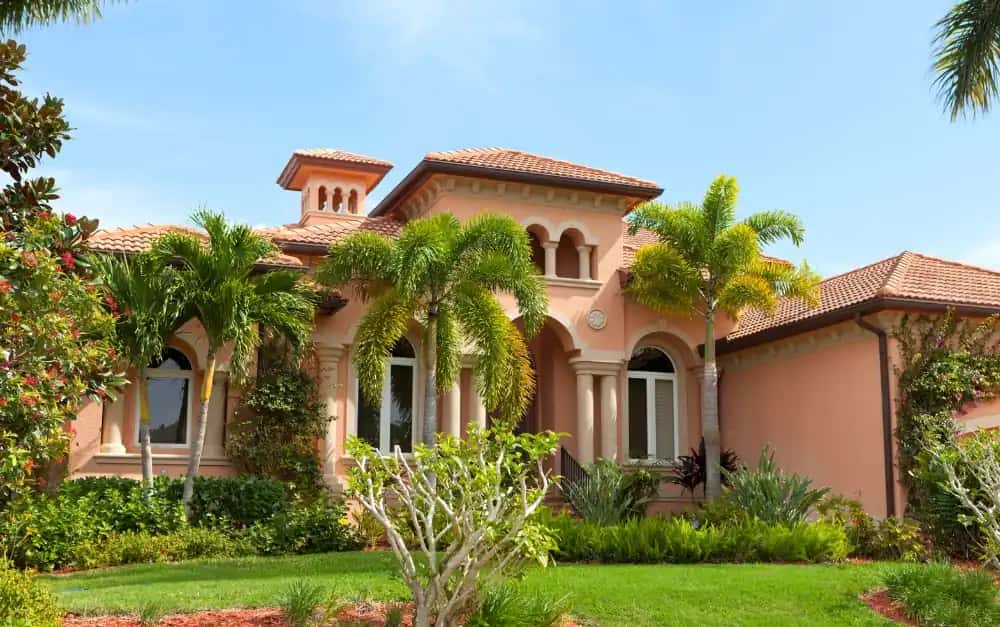
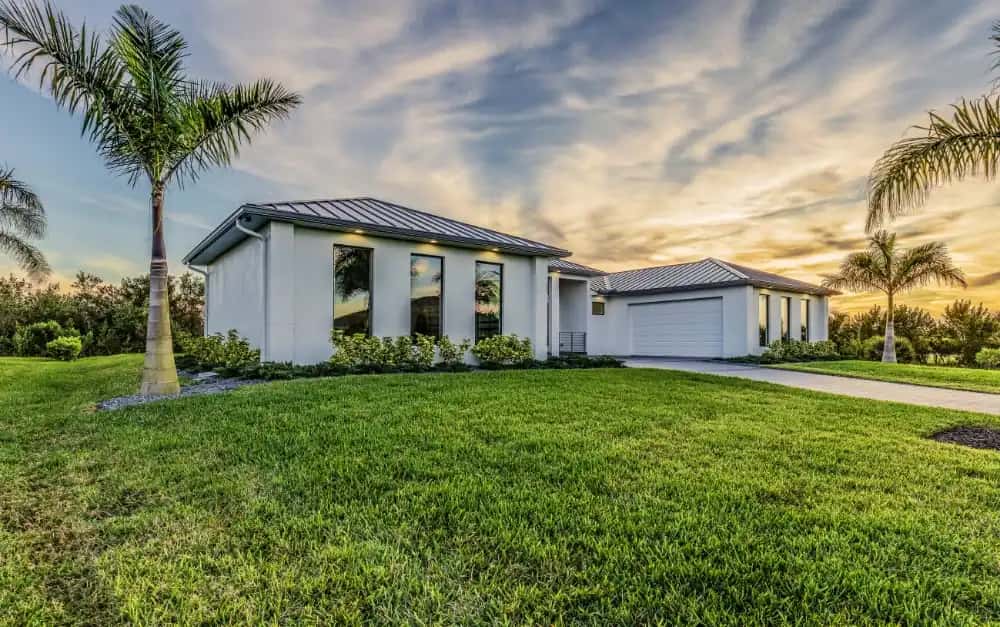
Project scope
Most-installed residential system in South Florida. ASTM D7158 Class H wind rating (150 mph), 25-30 year warranty. GAF, Owens Corning, CertainTeed.
Learn moreMediterranean South Florida aesthetic — 50+ year lifespan, strongest resale-value impact in coastal market. Eagle, Boral, MCA, Ludowici.
Learn moreHighest wind performance of any residential system + 50+ year lifespan + max insurance discount. Drexel, Berridge, Englert systems.
Learn moreTPO single-ply or modified bitumen for residential additions, lanai roofs, and low-slope sections (under 2:12 pitch).
Learn moreWe coordinate with your public adjuster + carrier — engineer's report, supplement-eligible cost line items, depreciation-recovery documentation, permit, install, close-out.
Learn moreCommercial properties — flat-roof systems, modified bitumen, TPO single-ply, restoration coatings. Includes options to overlay existing membrane when conditions allow.
Learn moreFrequently asked
Installed cost ranges from $8-$30 per square foot depending on the system. Asphalt shingle runs $8-$13/sq ft and is the most affordable entry point. Concrete and clay tile installs run $14-$18/sq ft, standing seam metal $18-$30/sq ft, and flat TPO or modified bitumen systems sit in the $8-$14/sq ft range for low-slope additions. Miami-Dade and Broward HVHZ labor and code requirements add to costs compared to Palm Beach and Martin County projects. Request a free assessment for a line-item estimate specific to your home.
Yes. Any residential roof replacement in Florida — regardless of county — requires a building permit pulled by a licensed Roofing Contractor (license class CCC). A General Contractor license alone does not authorize roof permit pulls under Florida law. SafeGuard holds CCC1336241 and handles the full permit application, plan review, interim inspections, and final inspection close-out. Unpermitted roofs create serious problems at resale and can void manufacturer warranties.
Miami-Dade is HVHZ (High-Velocity Hurricane Zone), so roof components must carry a Miami-Dade Notice of Acceptance (NOA) confirming compliance with the HVHZ chapter of the Florida Building Code. Asphalt shingle systems in HVHZ are rated to 150 mph with the correct nail pattern. Concrete and clay tile systems exceed 175 mph. Standing seam metal exceeds 175 mph. Flat TPO systems are rated to 120 mph. Every system SafeGuard installs uses Florida Product Approval or NOA-compliant materials verified before the permit application is filed.
Permit review in HVHZ jurisdictions — Miami-Dade and Broward — typically runs 21-45 business days depending on the building department's queue and whether any product substitution review is required. Palm Beach and Martin County reviews are often shorter. SafeGuard submits a complete permit package with all Florida Product Approval references included to minimize back-and-forth with the reviewer. We track the application and follow up proactively so the permit delay doesn't hold up your project schedule unnecessarily.
Yes — and it's one of the most immediate financial benefits of a code-compliant re-roof. At permit close-out, SafeGuard issues a wind-mitigation report documenting the roof covering type, deck attachment pattern, and roof-to-wall connection. Your insurance carrier uses that report to calculate a wind-mitigation insurance discount, which typically runs 15-35% off the wind portion of your premium. In South Florida, the wind premium is often the largest single line on a homeowner's policy, so the savings can be substantial. Present the report to your insurer at your next renewal.
It often does. Under the Florida Building Code, if 25% or more of your existing roof area is damaged or deteriorated, a full replacement is required rather than a repair. This rule catches homeowners off guard when an insurance adjuster or inspector identifies cumulative damage across multiple storm events. If your roof is already showing granule loss, cracked tiles, or underlayment failures across a significant portion of the surface, a repair estimate may not be a realistic path forward — and a licensed inspector can tell you where you stand before you commit to a scope.
Physical installation runs 2-6 business days depending on roof area, system type, and any deck repairs discovered during tear-off. Shingle installs on a standard single-story home often finish in 2-3 days. Tile roofs take longer due to batten layout and mortar or foam-set sequencing. Standing seam metal is typically 3-5 days for a residential footprint. Small flat-roof additions can be completed in a single day. We build a realistic production schedule into your contract so you know the expected start and end dates before material is ordered.
Residential roof installation follows the FBC Residential code chapter and uses systems like shingle, tile, standing seam metal, and TPO for low-slope add-ons — all sized for single-family or small multi-family structures. Commercial roof installation falls under the FBC Commercial chapter, typically involves larger TPO, EPDM, or built-up systems over steel or concrete decks, and often requires engineer-of-record stamped drawings. Warranty structures also differ: commercial projects frequently carry NDL (No Dollar Limit) manufacturer system warranties. See the commercial roof installation page for scope and licensing details.
Free in-home assessment that includes the 4-system comparison + cost bands + lifecycle math + full permit pathway in writing — sealed plans, FPA verification per material, dry-in plus final inspections, manufacturer warranty registration, and the wind-mitigation report your insurance carrier needs.
Content Disclosure
This article is provided for general information only and reflects current Florida Building Code requirements, common South Florida construction practices, and SafeGuard's field experience. Actual project costs, permit requirements, material availability, and timelines vary based on your home, municipality, and project scope. Florida law requires that any residential construction work over $1,000 be performed by a licensed contractor — always consult a Florida-licensed contractor before starting an impact-window, impact-door, or roofing project and verify credentials at myfloridalicense.com. This guidance is not a substitute for a project-specific estimate or on-site evaluation by a licensed professional.