
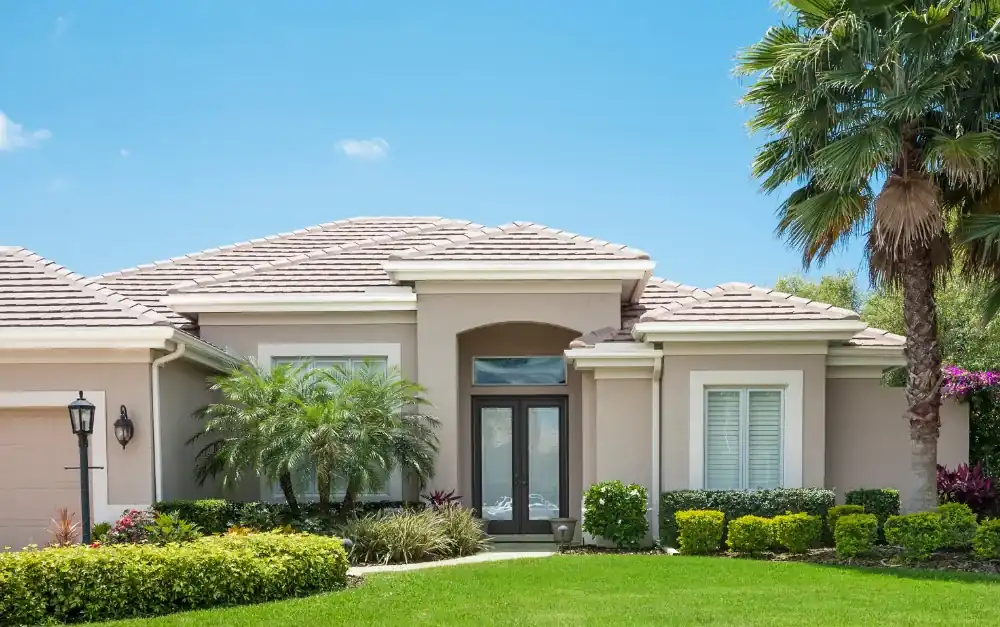
HVHZ-rated tile + fastener systems
Every tile system we install passes TAS 101/102/103 HVHZ wind-uplift testing. Tile + clip + fastener pattern is engineered per the wind-load calculation; nothing is field-improvised.
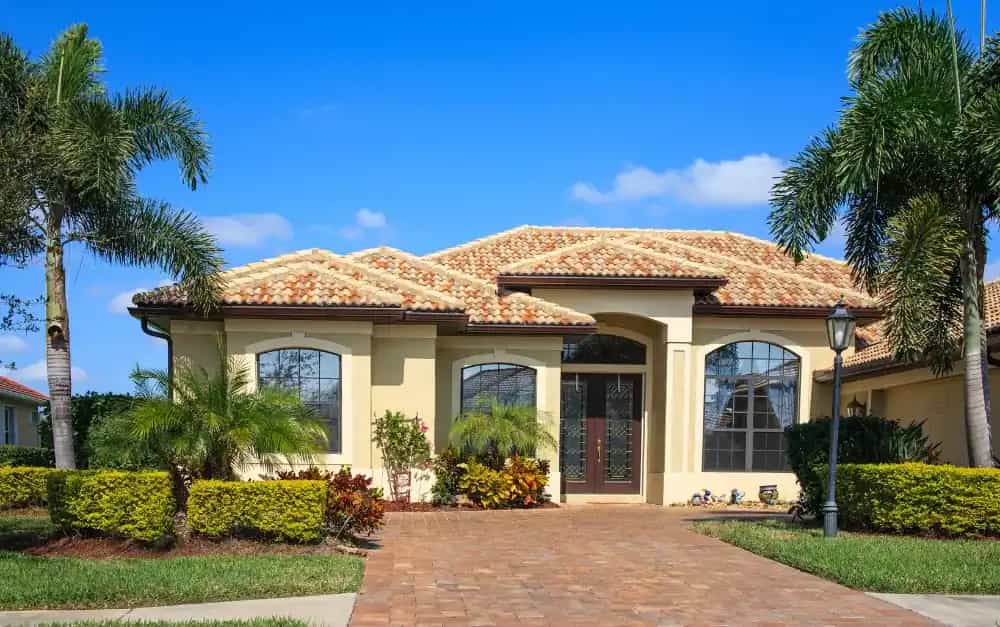
Concrete and clay tile roofing is South Florida's signature aesthetic — Mediterranean barrel, flat-profile, and high-profile S-tile configurations that read as 'this is a Florida home' from a half-mile away. SafeGuard installs Eagle, Boral, and MCA tile systems under FL DBPR Roofing Contractor license CCC1336241 — full permit pathway, dry-in + final inspections, and the wind-mitigation report your insurer needs.
Reviews
Mediterranean · long-hold · architectural
Every tile system we install passes TAS 101/102/103 HVHZ wind-uplift testing. Tile + clip + fastener pattern is engineered per the wind-load calculation; nothing is field-improvised.
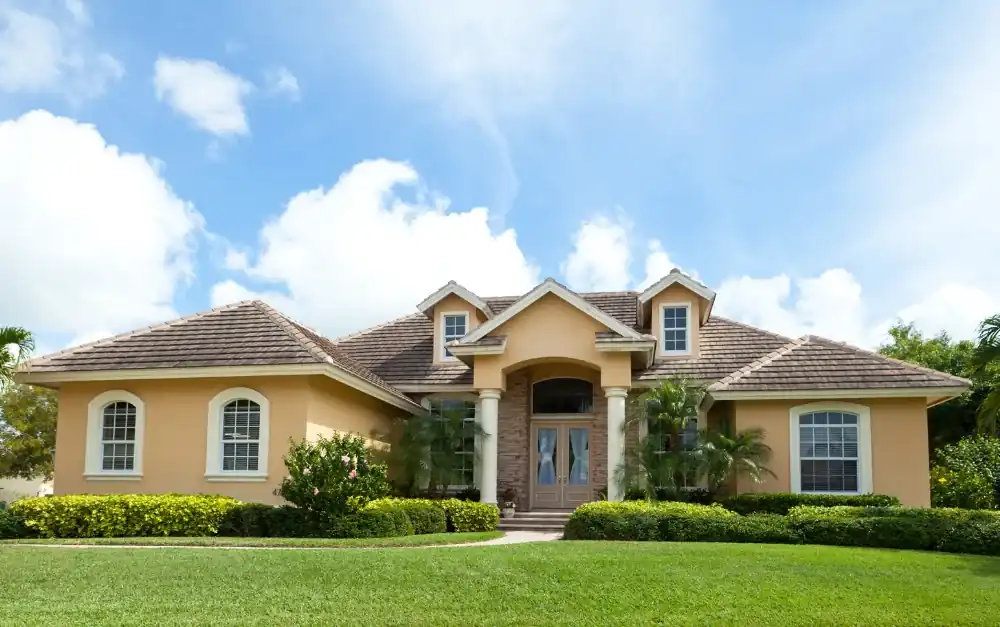
Florida requires a Certified Roofing Contractor license to pull a tile roof permit. SafeGuard files under CCC1336241 and runs the deck-load calculation upfront — surprises don't show up at tear-off.
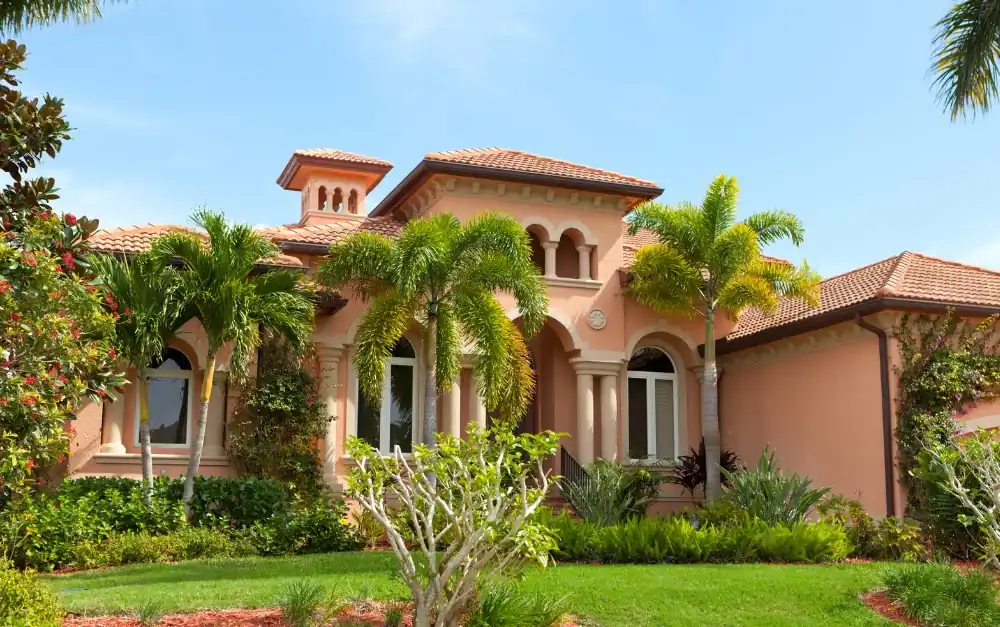
We install the four major South Florida tile manufacturers across concrete and clay categories. Profile selection (flat / S-tile / barrel) is driven by architecture + HOA + budget, not by what the supply truck is carrying.
At a Glance
Tile roofing dominates South Florida's coastal neighborhoods for one reason: nothing else combines storm resistance, longevity, and resale value quite like it. Concrete tile runs 50+ years. Clay tile pushes past 75. Both must pass TAS 101, TAS 102, and TAS 103 certification to qualify for installation inside the High-Velocity Hurricane Zone (HVHZ) — the strictest residential wind standard in the country. This page covers the configurations, materials, cost bands, and structural considerations that actually matter when you're choosing between profiles and deciding whether your existing deck can carry the load.
Tile roof installation in South Florida is governed by an engineered fastener pattern that, when correctly specified, supports design wind pressures up to 175+ mph under HVHZ code — a benchmark set after Hurricane Andrew leveled 25,000 homes in 1992. Every tile-plus-clip-plus-fastener combination requires its own Florida Product Approval (FPA), meaning the manufacturer's tested assembly — not just the tile itself — must carry a valid approval number before any contractor can legally install it here.
The broader code framework lives at the Florida Building Code, and product approvals for each assembly can be cross-referenced in the Miami-Dade Notice of Acceptance database. That database is how inspectors verify that the exact clip and nail pattern on your roof matches the tested assembly on file — not a close approximation.
For homeowners who want the full picture of how tile fits alongside other HVHZ-compliant systems, the South Florida roofing pillar lays out every option we install and the code umbrella they share. If you're reading this page, you're already past the 'do I need impact-rated roofing?' question — so let's get into the material split that actually drives your decision.
Clean, horizontal lines with minimal shadow relief. Popular on contemporary and transitional-style homes. Lighter visual weight works well on homes with flat or low-pitch roof planes.
The single most-installed tile profile in South Florida. Its shallow wave creates the classic Mediterranean look while keeping dead load manageable. Available in both concrete and clay.
Full half-round curve, maximum shadow depth, and the most dramatic roofline. Common on Spanish-revival and Tuscan-style homes. Requires the most careful deck-load verification due to weight stacking at the overlap.
The concrete tile vs clay tile choice comes down to budget, weight tolerance, and how long you plan to stay in the home. Concrete tile installs for $12–$25 per square foot and carries a 50+ year rated lifespan. Its dead load runs 9–12 psf (pounds per square foot) — roughly three to four times the weight of asphalt shingles — which is the main reason pre-1992 homes need structural review before installation.
Clay tile steps up to $15–$30 per square foot, a 25–40% cost premium over comparable concrete. That premium buys a meaningfully lighter assembly (7–10 psf), a 75+ year rated lifespan, and superior color permanence — clay's pigment is fired into the material rather than surface-coated. For coastal homes where salt air and UV eventually fade surface coatings, that distinction matters.
On the manufacturer side, the major concrete tile lines we spec include Eagle Roofing Products, Boral (now Westlake Royal), MCA, and Hanson — each carrying a deep catalog of FPA-approved assemblies for HVHZ. Premium clay lines run through Ludowici, MCA, and Hanson. Eagle, Boral, MCA, and Ludowici all publish tested fastener patterns for specific nail schedules and clip types; we match the approval to your roof's wind zone and pitch before ordering material. You can verify contractor licensing for any installer through the Florida DBPR contractor lookup.
Three HVHZ-specific test protocols govern every tile roof installation here. TAS 101 measures tile uplift resistance — the force required to pull a tile off the deck under simulated wind pressure. TAS 102 tests wind-driven rain penetration through the tile profile and into the underlayment system. TAS 103 combines tile and fastener uplift into a single assembly test, verifying that the clip or nail pattern holds under the same pressure loads the structure is designed to resist.
All three test results feed into the Florida Product Approval document for the specific assembly. That document specifies the exact nail gauge, penetration depth, clip model, and tile spacing that was tested — any deviation in the field voids the approval. This is why the residential roof installation process for tile is more documentation-intensive than shingle: the permit set must reference the FPA number, and the inspection verifies compliance with the tested pattern, not just general workmanship.
The tile industry's own technical resources at tileroofing.org publish installation guides and detail drawings that align with TAS testing methodology — useful context if you want to understand what the inspector is looking for during final walkthrough.
We inspect the existing deck for rot, delamination, and structural capacity. Pre-1992 homes get a formal load review. If the framing can't support tile dead load, we identify the remediation scope before any material is ordered.
We pull the building permit and attach the Florida Product Approval number for the specific tile, clip, and fastener assembly. The permit set locks in the installation pattern the inspector will verify.
Existing material comes off, the deck is inspected, damaged sheathing is replaced, and all penetrations are re-flashed before underlayment goes down.
A two-layer HVHZ-approved underlayment system is installed with code-specified laps and fastener patterns. This is the layer that gets refreshed every 25–30 years; tiles can often be removed and re-laid over new underlayment without replacing the tile itself.
Tiles are set to the FPA-specified pattern — nail gauge, penetration, clip placement, and spacing are documented for inspection. Ridge caps and hip tiles are mechanically fastened per the same approval.
One misunderstood aspect of tile ownership: the tile itself routinely outlasts the underlayment beneath it. Concrete tile is rated for 50+ years; a standard two-layer underlayment system typically needs replacement at 25–30 years. Clay tile at 75+ years will go through two underlayment cycles in its lifetime.
The good news is that this maintenance pathway is well-established. Tiles come off, underlayment and flashings are replaced, and the original tiles go back down — assuming they're intact and still carry a valid FPA. Homeowners who track this cycle avoid the cost of a full tile replacement and extend the roof's productive life by decades. It also means a 40-year-old clay tile roof isn't necessarily a liability; it may just need an underlayment refresh and re-inspection.
For homeowners weighing tile against other long-life systems, a standing seam metal roof offers comparable longevity with lighter dead load and typically the largest homeowner's insurance discount available — a real consideration for coastal properties in Palm Beach and Martin counties. If your home has a low-slope section or lanai roof, those areas need a different product category entirely; see our flat roofing page for how we handle those zones within the same project scope. And if budget is the primary driver, asphalt shingle roofing starts at $8–$15/sq ft installed with a 25-year lifespan — a legitimate value-tier alternative for the right home.
| Tile Roofing (Concrete / Clay) | Standing Seam Metal | |
|---|---|---|
| Installed Cost | $12–$30/sq ft | $18–$35/sq ft |
| Rated Lifespan | 50–75+ years | 40–70+ years |
| Dead Load | 7–12 psf (structural review often needed) | 1.5–3 psf (minimal framing impact) |
| Insurance Discount | Moderate (impact-rated, not max tier) | Maximum available in most FL counties |
| Resale Value Impact | Strongest of any roof material in coastal FL market | Strong, especially metal-savvy buyers |
| Maintenance Cycle | Underlayment refresh at 25–30 yrs; tiles reusable | Minimal — no granule loss, no underlayment layer |
| Profile / Aesthetic | Flat, S-tile, barrel — Mediterranean / Spanish heritage | Clean standing seam lines — modern / coastal contemporary |
From our project library
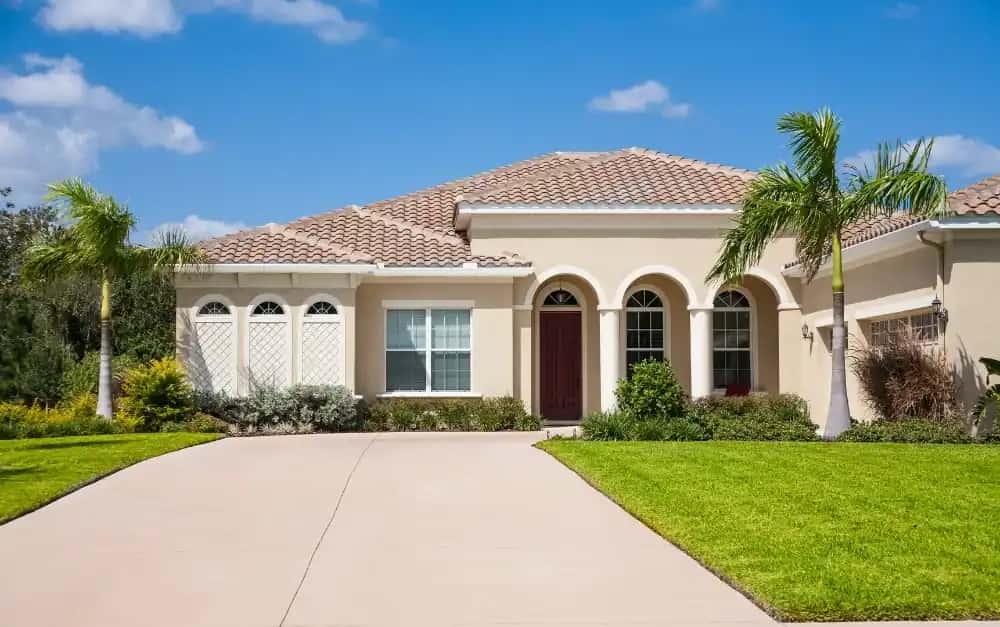
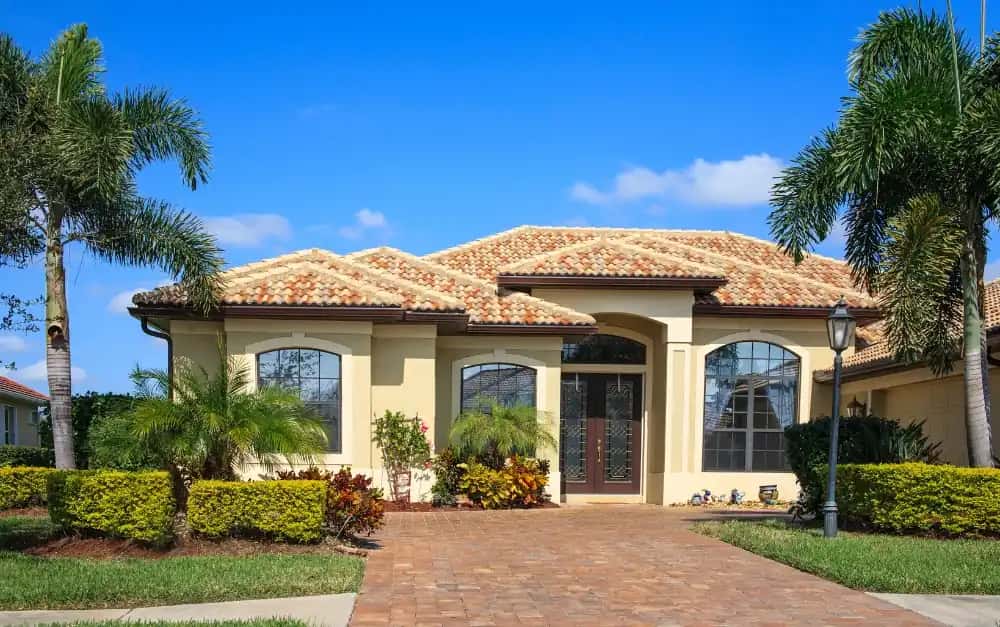
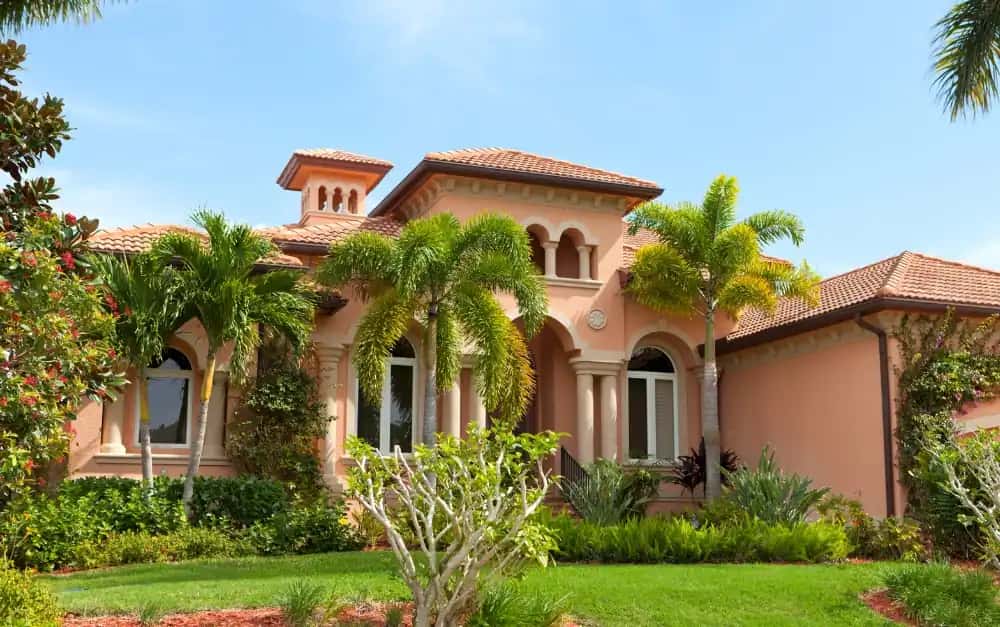
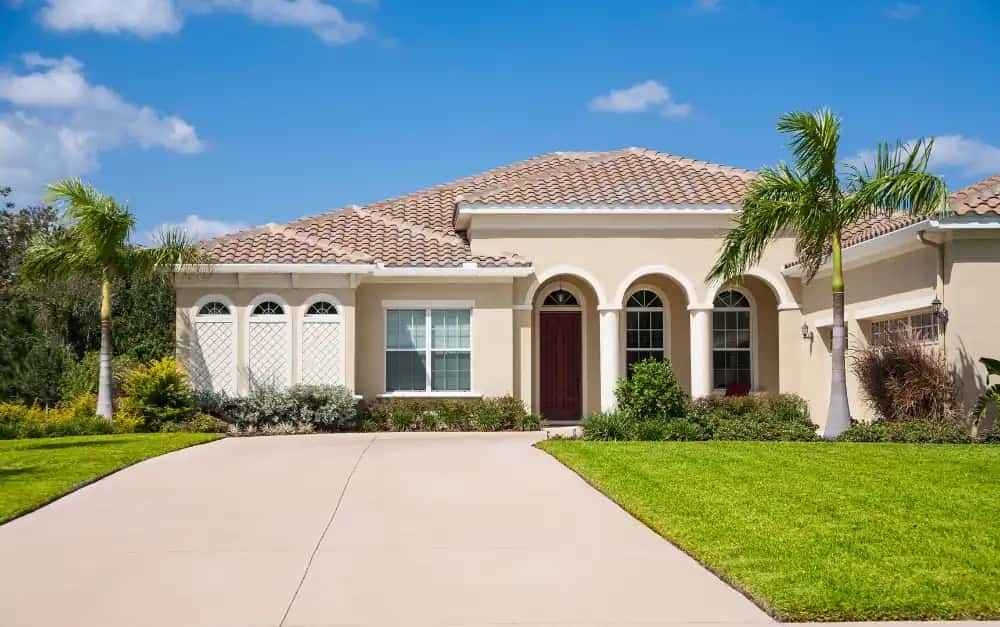
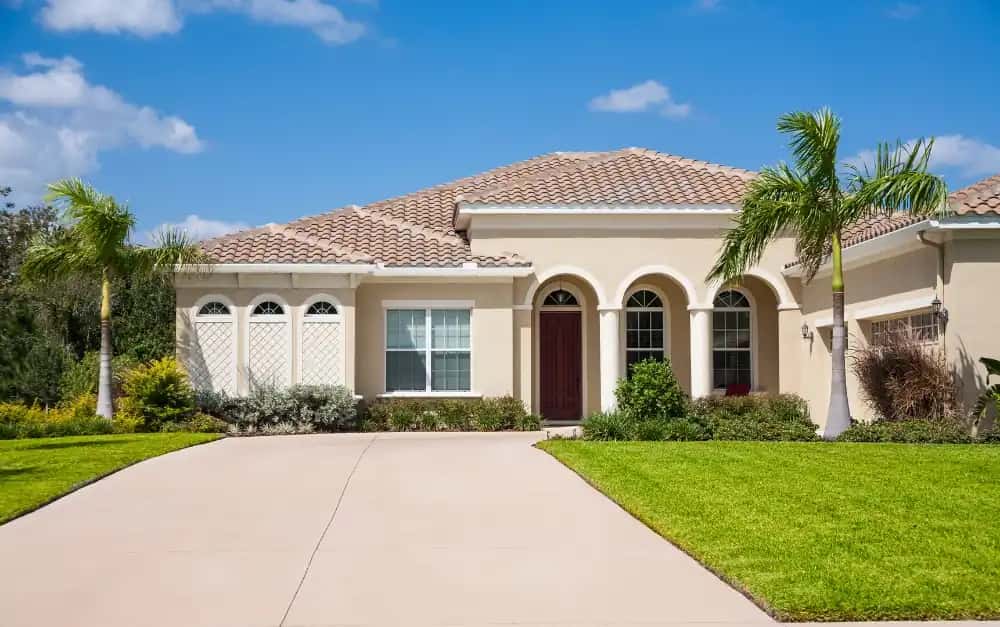
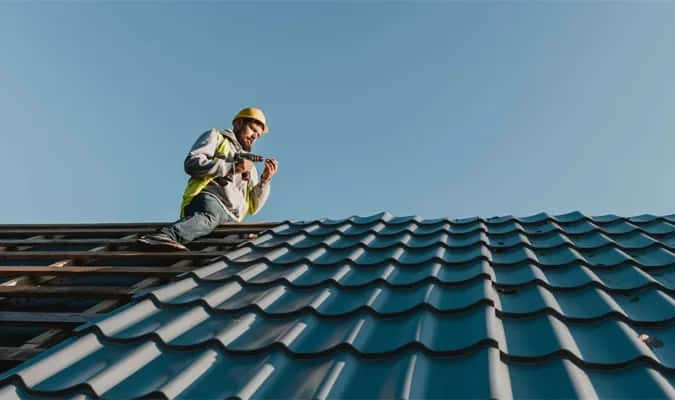
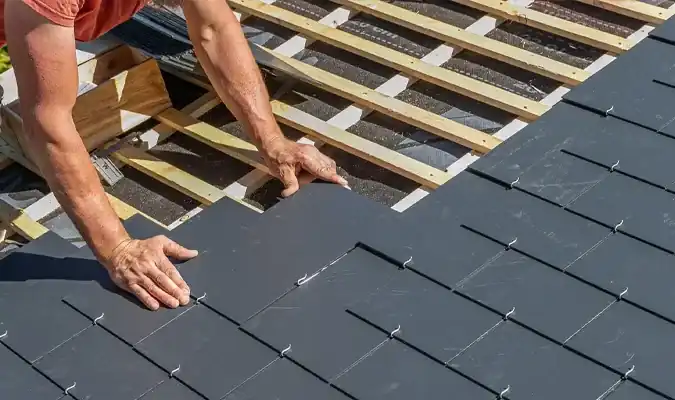
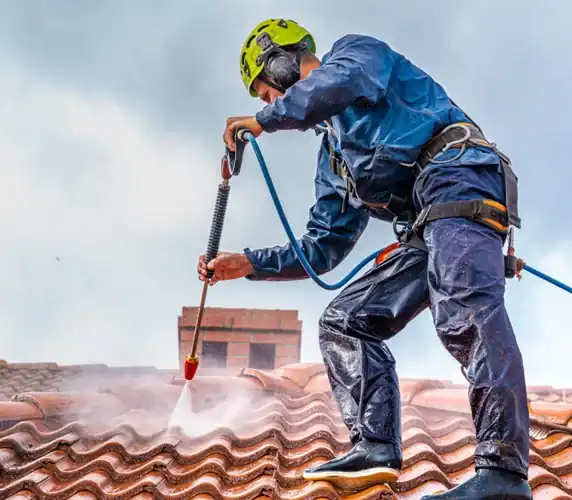
Real SafeGuard tile installs from the JobNimbus library — concrete S-tile, barrel tile, and clay tile across Mediterranean and historic-district homes.
Project scope
Eagle Bel Air, Boral Saxony, MCA Espana — moderate barrel curve, traditional Mediterranean read. The default for South Florida residential tile installs.
Learn moreLudowici, MCA Premium Clay, Hanson — 75+ year lifespan, permanent kiln-fired color, strongest resale-value impact. For historic districts + luxury custom builds.
Learn moreRemove existing tile, replace underlayment + flashings, re-lay the same tiles. ~30-40% the cost of a full new tile roof; extends roof life another 25-30 years.
Learn moreMost-installed residential system in South Florida. ASTM D7158 Class H wind rating (150 mph), 25-30 year warranty. GAF, Owens Corning, CertainTeed.
Learn moreHighest wind performance + 50+ year lifespan + max insurance discount. Drexel, Berridge, Englert systems.
Learn moreFull replacement on any of the four roof systems — shingle, tile, metal, flat. Full permit pathway, dry-in + final inspections, manufacturer warranty registration.
Learn moreFrequently asked
Concrete tile installation in South Florida runs $12–$25 per square foot installed; clay tile ranges from $15–$30 per square foot — roughly a 25–40% premium over concrete. The spread within each range is driven by profile complexity (barrel costs more to set than flat), deck condition, and whether a structural load review is required. Pre-1992 homes in Miami-Dade and Broward frequently need framing remediation before tile can be installed, which adds to the total project cost.
Yes, in most cases involving older homes. Homes built before the 1992 Hurricane Andrew code overhaul were typically designed for 3 psf shingle loads. Concrete tile weighs 9–12 psf; clay tile weighs 7–10 psf. Installing tile on a deck not engineered to carry that load can exceed the original design limits. SafeGuard performs a deck and framing assessment on every tile project and flags any structural upgrades needed before permit application.
Florida Product Approval (FPA) is a state-level certification that a specific product assembly — tile, clip, and fastener combination — has passed the required testing for the applicable wind zone. In Miami-Dade's High-Velocity Hurricane Zone, that means TAS 101, TAS 102, and TAS 103 test protocols. The FPA number is referenced on the building permit, and inspectors verify that the installed fastener pattern matches the tested assembly exactly. No FPA means no permit, and no permit means no certificate of occupancy.
Concrete tile carries a rated lifespan of 50+ years; clay tile is rated at 75+ years. The tile itself typically outlasts the underlayment beneath it — standard underlayment systems need replacement at 25–30 years. The smart ownership strategy is an underlayment refresh at that interval: tiles come off, new underlayment and flashings go down, and the original tiles are re-laid. This extends the productive roof life well beyond the underlayment's rated term without replacing the tile.
The low-profile S-tile (sometimes called a Mediterranean tile) is the most-installed profile across Miami-Dade, Broward, and Palm Beach counties. Its shallow wave suits the Mediterranean and Spanish-colonial architecture common throughout the region. Barrel tile (high-profile, full-curve) is the second most common on Spanish-revival homes. Flat tile is gaining share on modern and transitional builds where the homeowner wants a cleaner roofline without the traditional Mediterranean shadow relief.
For homeowners planning to stay 20+ years or who prioritize maximum longevity and color permanence, clay typically justifies the 25–40% premium. Clay's pigment is fired into the material, so it holds color better under UV and salt-air exposure than surface-coated concrete. Clay also weighs less (7–10 psf vs. 9–12 psf), which can reduce or eliminate structural remediation costs on borderline decks. For shorter ownership horizons, concrete tile from lines like Eagle Roofing Products or Boral (now Westlake Royal) delivers excellent value and the same HVHZ wind rating.
Yes, but the two roof systems require separate product approvals and different underlayment assemblies. Tile (pitched section) and low-slope flat roofing are distinct system categories — using tile materials on a low-pitch plane violates the tested assembly parameters. SafeGuard scopes both systems within a single project: pitched sections get the tile installation process described here, while low-slope sections and lanai roofs are handled under our flat roofing system. Permits are pulled for each system type.
Free in-home estimate that includes the tile-system comparison, deck-load calculation, and full permit pathway in writing — sealed plans, FPA verification per material, Notice of Commencement, and dry-in plus final inspections.
Content Disclosure
This article is provided for general information only and reflects current Florida Building Code requirements, common South Florida construction practices, and SafeGuard's field experience. Actual project costs, permit requirements, material availability, and timelines vary based on your home, municipality, and project scope. Florida law requires that any residential construction work over $1,000 be performed by a licensed contractor — always consult a Florida-licensed contractor before starting an impact-window, impact-door, or roofing project and verify credentials at myfloridalicense.com. This guidance is not a substitute for a project-specific estimate or on-site evaluation by a licensed professional.