ASTM D7158 Class H — 150 mph rated
Every shingle we install is Class H — the highest wind rating in the standard. Required in HVHZ, recommended everywhere else for the wind-mitigation insurance discount.
 SafeGuard Impact home
Impact Windows
Styles, brands and pricing help for hurricane-rated windows.
Impact Doors
Entry, French, sliding and patio doors rated for South Florida storms.
Roofing
Shingle, tile, metal and flat roofs for homes and businesses.
Service Areas
Impact windows and doors installed across five South Florida counties.
Miami-Dade County
Find your city
Do we serve your home?
We serve Miami-Dade, Broward, Palm Beach, Martin and St. Lucie counties.
Treasure Coast
About SafeGuard
Who we are, the work we have done, and how to reach us.
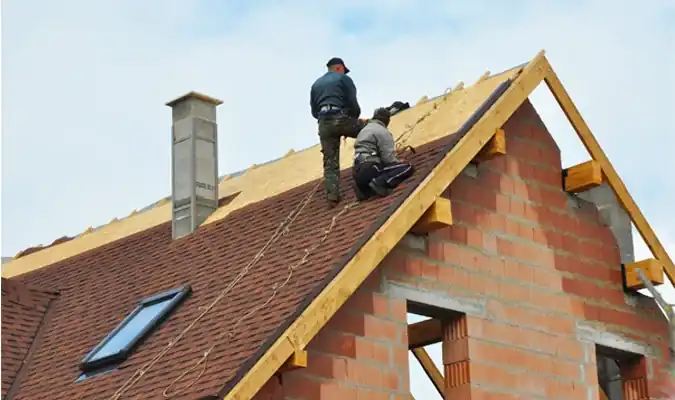
Asphalt shingle is the most-installed residential roof system in South Florida — and the best price-to-performance choice for most owner-occupied single-family homes. SafeGuard installs GAF, Owens Corning, and CertainTeed shingle systems under FL DBPR Roofing Contractor license CCC1336241, with Florida Product Approval verified per shingle + underlayment + ridge cap, and the wind-mitigation report your insurer needs at project close-out.
Reviews
Most-installed residential roof
Every shingle we install is Class H — the highest wind rating in the standard. Required in HVHZ, recommended everywhere else for the wind-mitigation insurance discount.
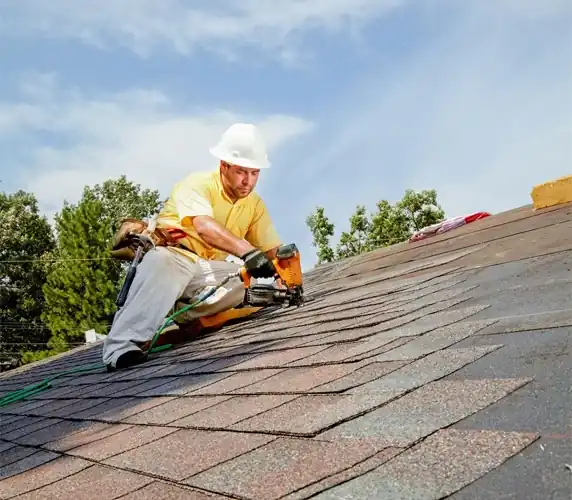
Florida requires a Certified Roofing Contractor license to pull a roof permit. SafeGuard files under FL DBPR CCC1336241 with Florida Product Approval verified per shingle + underlayment + drip edge + ridge cap.
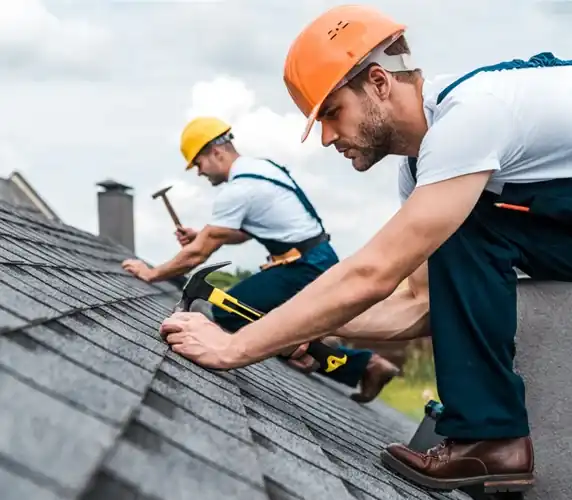
We install all four major manufacturer lines. Choice typically hinges on HOA color match, dealer availability, or insurance-carrier preference — never a one-line catalog.
At a Glance
Asphalt shingles cover more Florida homes than any other roof system — by a significant margin. Done right, a laminated architectural shingle roof rated to ASTM D7158 Class H (150 mph) survives South Florida's hurricane seasons and delivers a 18-to-22-year service life at a cost range most budgets can absorb. This page covers everything specific to asphalt: configurations, tested performance standards, how our install sequence works under the Florida Building Code, manufacturer options, and where shingles stack up honestly against tile and metal. If you're still comparing all roof types side-by-side, the South Florida roofing pillar is the better starting point — come back here once shingles are the direction.
Every asphalt shingle installed in South Florida's High-Velocity Hurricane Zone (HVHZ) must carry Florida Product Approval — a state-level verification that the shingle, underlayment, drip edge, and ridge cap assembly has been tested as a system, not just as individual components. The two governing wind standards are ASTM D7158 Class H (150 mph, the highest classification in that standard) and ASTM D3161 Class F (110 mph wind-uplift cycling). Premium-tier architectural shingles add a Class 4 UL 2218 impact-resistance rating, which matters both for hail events and for qualifying some homeowners for an insurance premium reduction. All shingles on this list also carry a Class A fire rating under ASTM E108 — the highest level of fire resistance the standard defines.
Verifying compliance isn't optional. Before a single shingle is nailed down, our permit set includes the Florida Product Approval numbers for every component in the assembly. The Florida Building Code publishes the HVHZ wind-load tables our engineers reference, and individual product approvals are searchable in the Miami-Dade Notice of Acceptance database for anyone who wants to confirm a product's tested status before signing a contract.
Architectural (laminated) shingles bond two fiberglass mat layers together, producing a shingle roughly twice the thickness of a legacy 3-tab. That mass resists wind lift more effectively and sheds water faster off steep pitches.
3-tab shingles top out at ASTM D3161 Class D (90 mph). Architectural products like GAF Timberline HDZ and Owens Corning TruDefinition Duration are rated to Class F and Class H — a direct requirement for HVHZ permit approval.
The layered tab design creates a textured, wood-shake-like profile. On a South Florida home, that visual depth holds up far better than the flat, uniform look of a 3-tab that has aged and bleached.
Manufacturers like GAF, Owens Corning, and CertainTeed reserve their longest warranty terms and wind-speed coverages for architectural lines — not legacy 3-tab products, which most no longer actively promote for re-roof work.
Several South Florida insurers distinguish between shingle classes when calculating wind-mitigation credits. An architectural shingle at Class 4 UL 2218 can open discount tiers a 3-tab product cannot touch.
Five manufacturer lines dominate the South Florida architectural shingle market, and each has a slightly different sweet spot.
GAF Timberline HDZ sits at the top of the installed-base rankings locally. GAF's dealer network in South Florida is the densest of any shingle manufacturer, which translates to shorter lead times on specialty colors, faster warranty-service responses, and more contractors who have actually run thousands of squares of it. The HDZ designation adds a StrikeZone nailing area — a wider adhesive band that reduces installation error and contributes to the shingle's ASTM D7158 Class H wind rating.
Owens Corning TruDefinition Duration is the strongest head-to-head competitor. Its SureNail Technology uses a woven fabric strip in the nailing zone, and the product earns Class 4 UL 2218 impact resistance in most color runs. CertainTeed Landmark Pro and Atlas Pinnacle Pristine are solid mid-tier alternatives with broad Florida Product Approval coverage and competitive pricing. Tamko Heritage rounds out the list — a value-positioned shingle that still clears the HVHZ code minimums and suits replacement jobs with tighter budgets.
For a broader overview of how these products perform on different South Florida home types, the asphalt roof installation overview covers application context our permit team references during the estimating phase.
The national lifespan figures manufacturers publish — typically 25 to 30 years — are calibrated for temperate climates with four distinct seasons. South Florida delivers something different: intense UV radiation for 300-plus days a year, sustained heat that keeps attic temperatures well above 130°F through summer, salt-air humidity, and a concentrated hurricane season. The combination ages shingle granules faster, accelerates adhesive-strip fatigue, and degrades underlayment at a rate northern climates simply don't see.
The realistic expectation for an architectural shingle roof installed correctly in Miami-Dade, Broward, or Palm Beach County is 18 to 22 years before a full replacement is warranted. That's not a failure of the product — it's the physics of the environment. A shingle that hits the 20-year mark with no major storm damage, properly maintained flashings, and clean gutters has performed well. Our estimates always include a cost-per-year comparison across shingle, tile, and metal so homeowners can factor longevity against upfront investment before committing.
For homeowners thinking about the longer horizon, the residential roof installation overview walks through how system selection affects total cost of ownership across a 40-year period — useful context when you're deciding whether shingles or a 50-year system better fits your plans.
Before scheduling a tear-off, our office pulls the building permit and submits the Florida Product Approval numbers for every component in the assembly — shingle, underlayment, drip edge, ridge cap. The inspector reviews this at rough-in. This step alone separates licensed re-roofs from unpermitted work that won't pass wind-mitigation inspection later.
We remove all existing shingles, felt, and drip edge. The decking is inspected for soft spots, delamination, and nail-pattern deficiencies. Any compromised sheathing is replaced before the new assembly goes down — a critical step in South Florida where older decks often have rusted fasteners or moisture damage from previous roof penetrations.
A Florida Product Approval-matched synthetic underlayment is fastened to the deck with approved cap nails at the required spacing. Drip edge is installed at eaves before underlayment and at rakes over it — the specific sequencing the Florida Building Code requires for HVHZ wind-uplift resistance.
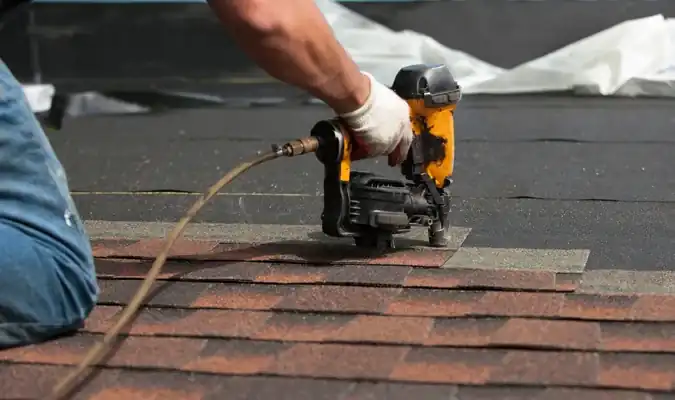
Architectural shingles are aligned to a chalk-line grid and fastened with four nails per shingle in the manufacturer's specified nailing zone — six nails per shingle in HVHZ applications. The starter course at the eave uses a full-width starter strip, not cut shingles, to ensure the adhesive strip seals correctly at the most wind-vulnerable edge.
After the inspector signs off on the completed roof, we provide documentation suitable for a wind-mitigation re-inspection with your insurer. Upgrading from a legacy 3-tab roof to a rated architectural shingle assembly often triggers a measurable premium reduction — particularly when the new roof includes Class 4 UL 2218 shingles.
| Asphalt Shingle Roof | Tile / Metal Alternative | |
|---|---|---|
| Installed cost | $8–$15 per sq ft | Tile: $15–$25 | Metal: $18–$30+ |
| Service life (South FL) | 18–22 years | Tile & metal: 50+ years |
| Top wind rating | 150 mph (ASTM D7158 Class H) | Metal standing seam: 180+ mph |
| Structural load | ~2–3 lbs/sq ft — no framing upgrade needed | Concrete tile: 9–12 lbs/sq ft — may need reinforcement |
| Insurance discount potential | Moderate (Class 4 UL 2218 helps) | Standing seam metal: highest available discount tier |
| Re-roof complexity | Single trade, 1–3 days typical | Tile requires specialized crew; metal needs longer lead time |
| HOA compatibility | Widely accepted; color range is broad | Tile is required by some HOAs; metal may face restrictions |
The comparison table is a starting point, but the real decision usually comes down to three things: budget now, plans for the property, and HOA rules.
If you're planning to sell within 10 years or you're working with a constrained replacement budget, a properly installed architectural shingle roof is a rational choice. The $8–$15 per square foot installed cost is substantially below what tile or metal commands, and the product will clear HVHZ code requirements and perform through multiple storm seasons without issue. For homes where the framing was not engineered for tile loads, shingles are often the only realistic re-roof path without significant structural work.
If longevity and insurance cost reduction are the primary drivers, the calculus shifts. Concrete + clay tile roofing carries a 50-plus-year service life and suits the Mediterranean aesthetic that HOAs across Broward and Palm Beach commonly require. Standing seam metal roofing delivers the highest wind performance on the market and unlocks the maximum insurance discount available in South Florida — relevant in a climate where premiums have climbed sharply. For homes with low-slope or flat sections, flat roofing systems handle that geometry in a way shingles cannot. Our in-home estimates always walk through all three alternatives with actual numbers before you commit to anything. You can verify our contractor licensing through the Florida DBPR lookup — license numbers CGC1532033 and CCC1336241.
From our project library
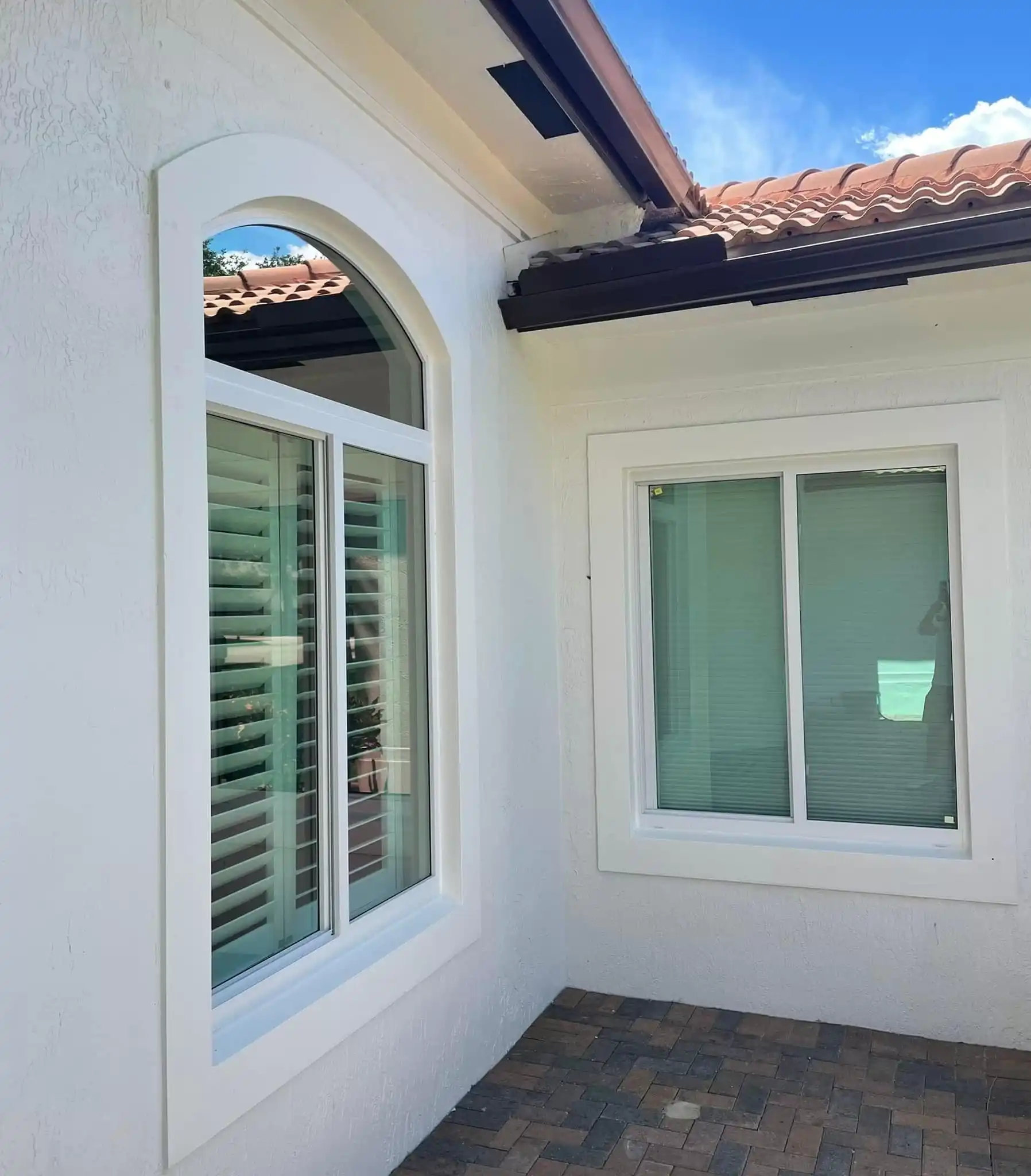
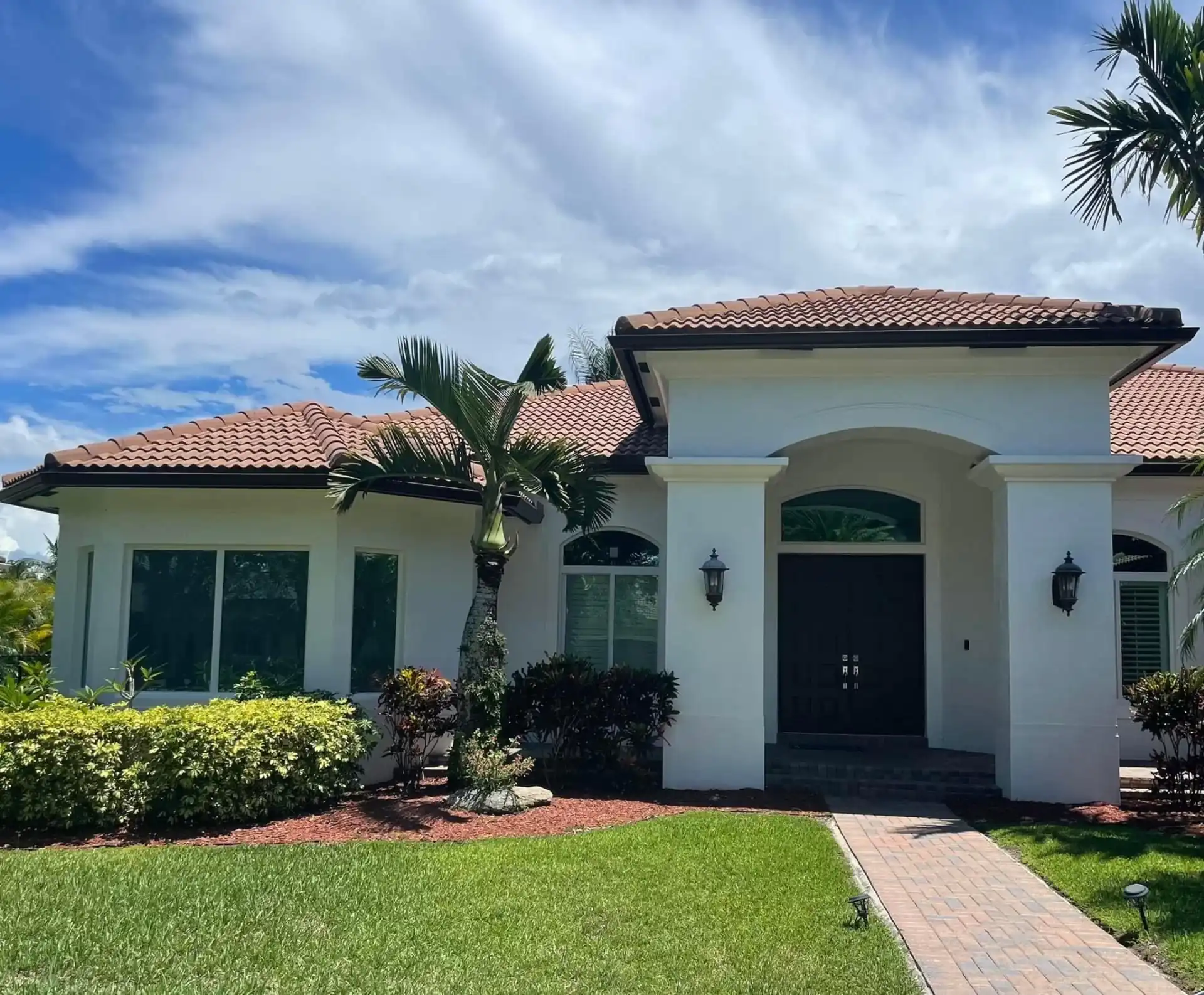
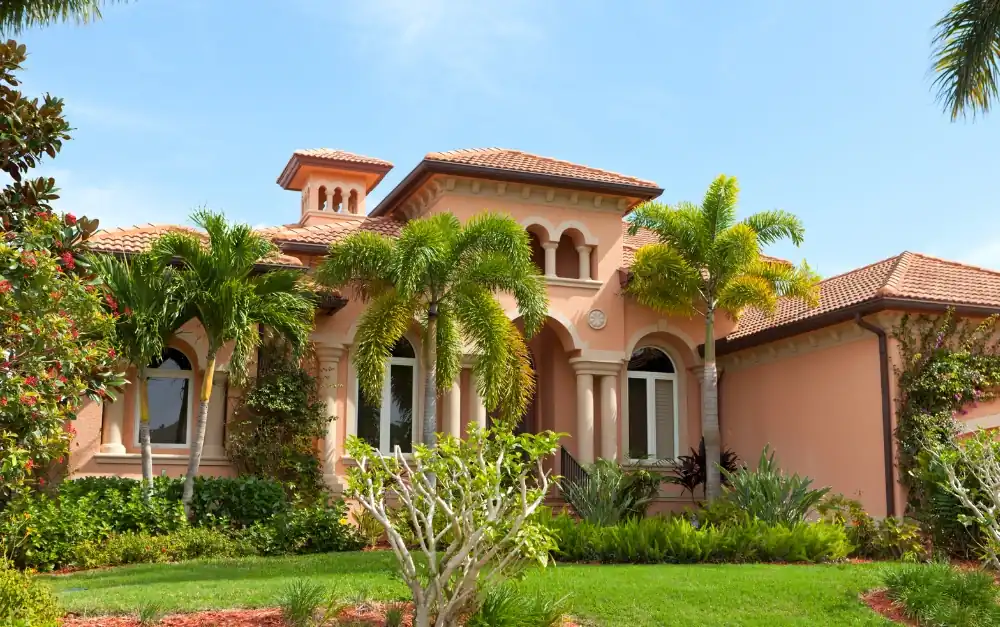
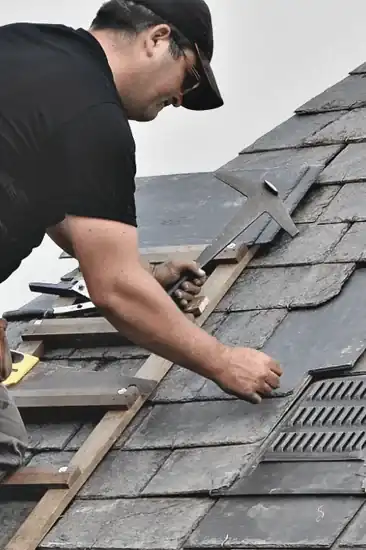
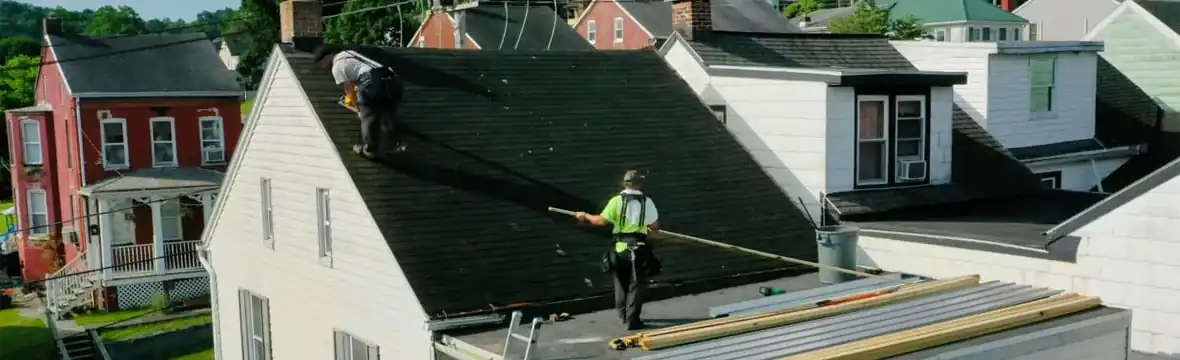
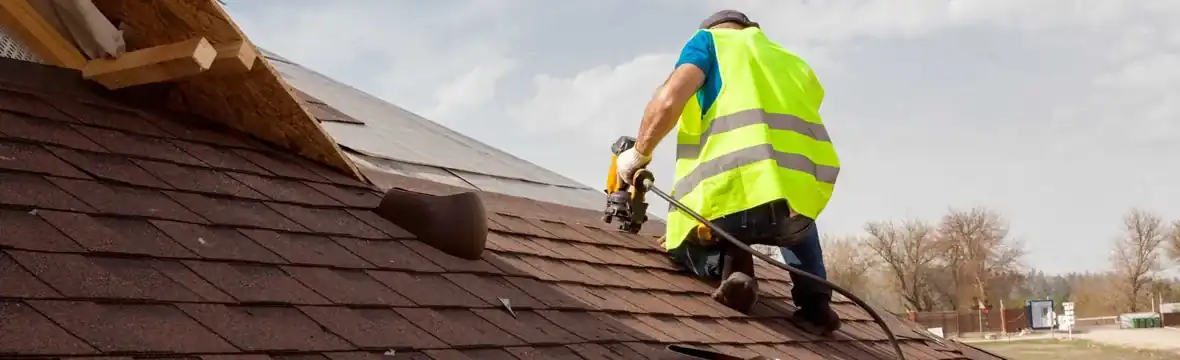
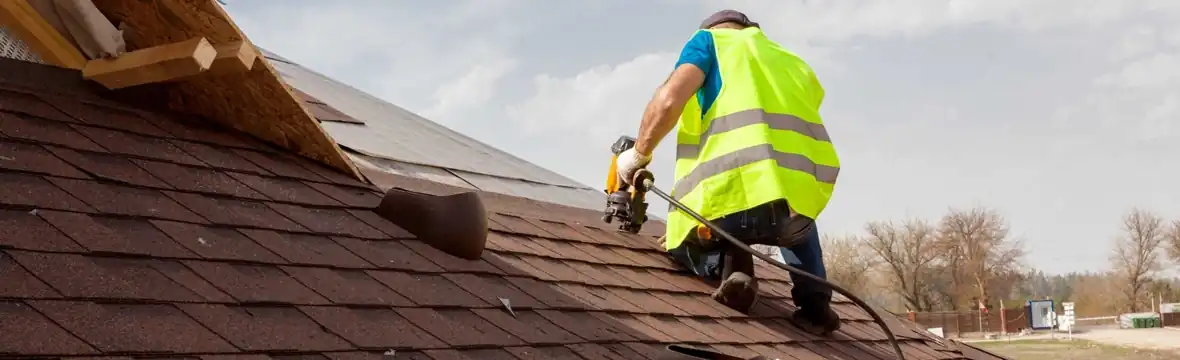
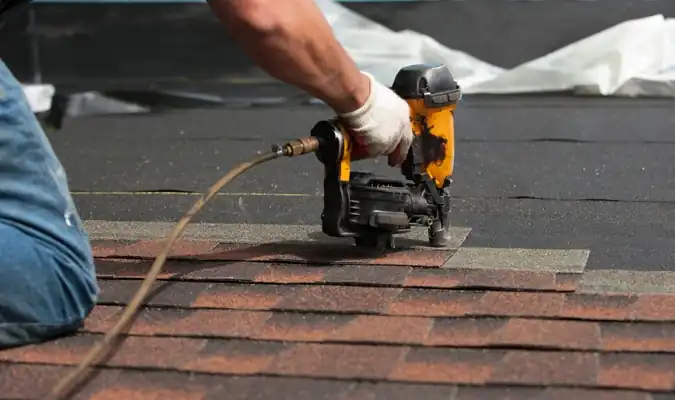
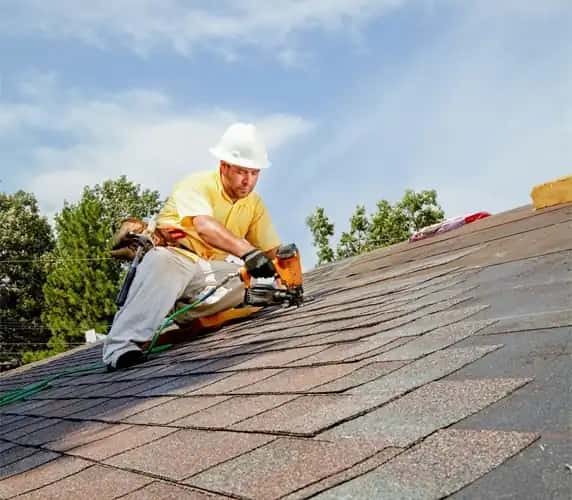
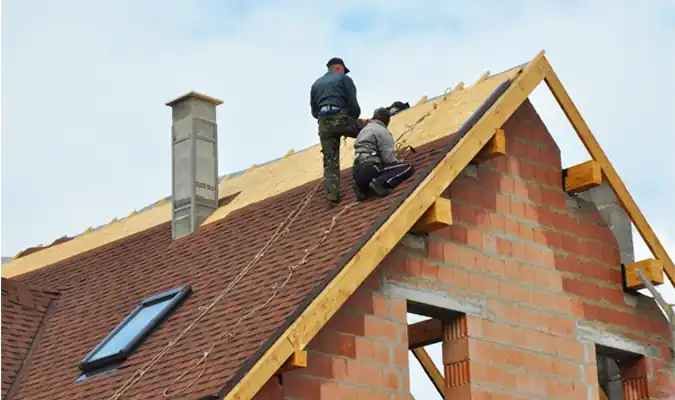
Real SafeGuard installs from the JobNimbus library — GAF + Owens Corning + CertainTeed architectural shingle on owner-occupied South Florida homes.
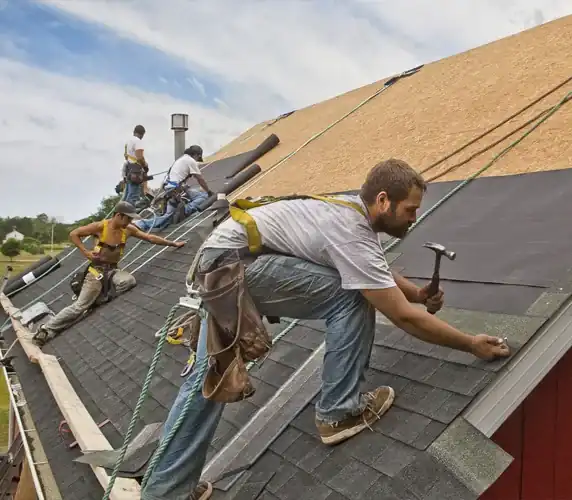
Project scope
Largest South Florida installed base — Class H wind rating, StainGuard Plus algae resistance, lifetime limited warranty. The default architectural shingle for most owner-occupied homes.
Learn moreSureNail strip improves wind-uplift performance + StreakGuard algae resistance. Strong fit for coastal homes where the SureNail engineering helps.
Learn moreGAF ArmorShield II + Owens Corning Duration STORM — Class 4 UL 2218 impact rating, additional insurance credit on some carriers, ~$1-$3/sq ft premium over standard tier.
Learn moreGAF Camelot, GAF Grand Sequoia, CertainTeed Grand Manor — slate / shake / tile-imitating premium shingles for historic-district + architectural-spec homes.
Learn moreMediterranean South Florida aesthetic — 50+ year lifespan, strongest resale-value impact in coastal market. Eagle, Boral, MCA. Requires deck-load review on older homes.
Learn moreHighest wind performance + 50+ year lifespan + max insurance discount. Drexel, Berridge, Englert systems. Best fit for coastal + long-hold ownership.
Learn moreFrequently asked
In South Florida's coastal climate, a properly installed architectural shingle roof realistically lasts 18 to 22 years — shorter than the 25-to-30-year figures manufacturers publish for temperate climates. Intense UV exposure, sustained heat, salt-air humidity, and hurricane-season wind stress all accelerate granule loss and adhesive-strip fatigue. Choosing a premium shingle like GAF Timberline HDZ or Owens Corning TruDefinition Duration, combined with a Florida Product Approval-matched underlayment, helps the assembly reach the higher end of that range.
Miami-Dade falls within Florida's High-Velocity Hurricane Zone (HVHZ), which requires shingles to meet ASTM D7158 Class H (150 mph) or ASTM D3161 Class F (110 mph wind-uplift cycling) depending on the assembly. Florida Product Approval must cover the shingle, underlayment, drip edge, and ridge cap as a complete tested system — not each component separately. Permits in Miami-Dade will not be approved without the matching product approval numbers submitted in the permit documents.
Installed cost in Miami-Dade, Broward, and Palm Beach County typically runs $8 to $15 per square foot, depending on roof pitch, shingle tier (standard architectural vs. premium impact-rated), tear-off scope, and any deck repairs needed. A 2,000-square-foot single-story home commonly comes in between $16,000 and $30,000 all-in with permit. Financing at 0% promotional terms is available for qualified applicants — ask about it when you request your estimate.
It can — particularly when the new roof uses Class 4 UL 2218 impact-rated shingles and the installation qualifies for a wind-mitigation re-inspection. Many South Florida insurers apply premium discounts for roofs that meet specific opening-protection and wind-resistance criteria. The discount amount varies by insurer and policy structure. A licensed inspector generates the wind-mitigation report after final inspection; we provide the documentation you need to submit that report to your carrier.
Rarely, and for good reason. Legacy 3-tab shingles top out at ASTM D3161 Class D (90 mph), which falls below the wind-resistance minimums for HVHZ permit approval. Architectural (laminated) shingles — rated to Class F or Class H at 150 mph — are the standard for any permitted re-roof in Miami-Dade, Broward, or Palm Beach County today. Most major manufacturers have also reduced 3-tab product lines in favor of architectural options.
Florida Product Approval covers the entire roof assembly — not just the shingle. The approval number encompasses the specific shingle product, the rated underlayment, the drip edge profile, and the ridge cap as a tested system. Substituting any single component with a non-matching product invalidates the assembly's code compliance under the Florida Building Code and can void the manufacturer's wind warranty. We submit all approval numbers with the permit application so the inspector can verify compliance at rough-in.
Shingles cost significantly less upfront — $8–$15 per square foot installed versus $15–$25 for concrete or clay tile — but carry a shorter service life of 18 to 22 years compared to tile's 50-plus years. Tile also adds substantial structural load (up to 12 lbs/sq ft versus 2–3 lbs for shingles), which sometimes requires framing reinforcement on older homes. Some South Florida HOAs mandate tile for aesthetic reasons. For homes where budget, framing limits, or timeline favor shingles, a Class H-rated architectural shingle roof is a fully code-compliant and practical choice.
Free in-home estimate that includes the manufacturer-line comparison, wind-load calculation, and full permit pathway in writing — sealed plans, FPA verification per material, Notice of Commencement, and dry-in plus final inspections.
Content Disclosure
This article is provided for general information only and reflects current Florida Building Code requirements, common South Florida construction practices, and SafeGuard's field experience. Actual project costs, permit requirements, material availability, and timelines vary based on your home, municipality, and project scope. Florida law requires that any residential construction work over $1,000 be performed by a licensed contractor — always consult a Florida-licensed contractor before starting an impact-window, impact-door, or roofing project and verify credentials at myfloridalicense.com. This guidance is not a substitute for a project-specific estimate or on-site evaluation by a licensed professional.