


Impact windows are designed for storm protection and strong coastal weather resistance. They use laminated glass technology that holds together during heavy impact.
Many homeowners also ask about whether impact windows have screens and ventilation options. Impact-resistant windows often work differently from standard frames… especially when paired with hurricane screens or protective exterior systems.
Core Takeaways
- Impact window systems are built for strength first and ventilation second. They protect against windborne debris while maintaining indoor safety during storms.
- Screens are not always included by default. Many homes rely on add-on window screens or external hurricane protection systems for airflow and comfort.
Do Impact-Resistant Windows Have Screens?
Impact-resistant windows do not always include built-in screens. Most manufacturers design them for strength and sealing performance.
Homeowners often add detachable window screens for ventilation. These screens support airflow while maintaining protection against insects and small debris during normal weather conditions.
In many coastal homes screens are installed separately from the window system. This allows flexibility in maintenance and replacement. Some advanced setups integrate hurricane mesh screens that offer light impact resistance. However they do not replace full laminated glass systems used in storm zones.
Everything You Need To Know About Impact Window Screens
This section explains how impact window screens function in real homes. It also covers materials, design choices, and performance levels.
Understanding these factors helps homeowners decide between shutters, screens, or hybrid protection systems. Each option serves a specific role in storm safety and ventilation management.
What Are Impact Window Screens?
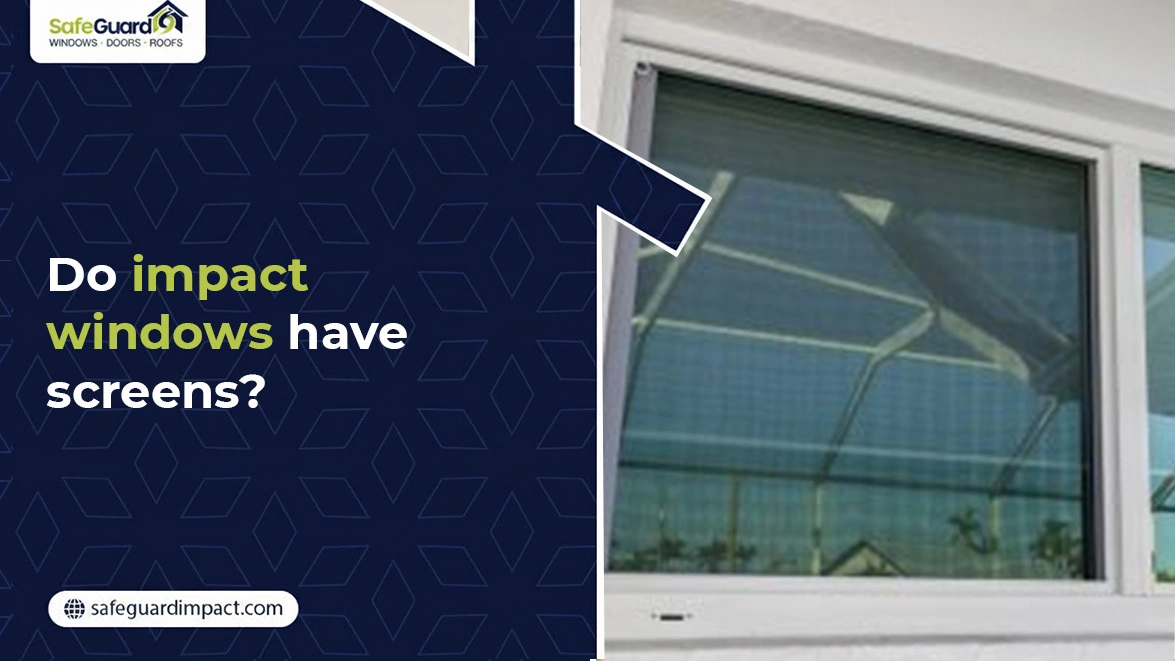
Impact window screens are protective mesh layers installed outside or inside windows. They allow airflow while blocking insects and light debris. These screens do not replace impact glass.
Instead, they work as a supportive layer for comfort and ventilation in everyday weather conditions.
Difference Between Screens And Shutters
Screens and shutters serve completely different roles in storm protection systems. Hurricane screens mainly support airflow and visibility during normal weather conditions.
They allow light ventilation while keeping insects out. Shutters are built for extreme events and fully block openings. They protect glass from flying debris during hurricanes. Screens stay in place while shutters are deployed only when needed.
Building codes often influence which system is required. Many coastal homes combine both for layered protection and better performance across changing weather conditions throughout the year.
Materials Used In Hurricane Screens
Modern hurricane screen systems rely on engineered materials designed for strength and durability. Manufacturers often use reinforced fiberglass, stainless steel mesh, or advanced polymer blends. These materials help the screens resist wind pressure and environmental wear. In coastal zones, corrosion resistance becomes essential due to salt exposure and humidity levels.
Some premium designs meet strict Miami Dade building standards for impact resistance. Stronger materials extend product life and reduce maintenance needs. They also maintain airflow performance while supporting structural stability during harsh weather conditions.
Benefits Of Security Screens
Security screens deliver a balance between protection and ventilation in residential and commercial buildings. They are designed to resist forced entry attempts while still allowing fresh air circulation. This dual functionality makes them popular in modern housing projects.
Many systems also help reduce reliance on air conditioning by improving natural airflow. During mild weather, they increase energy efficiency and comfort indoors. They also provide added resistance against light debris impact. Homeowners value them for combining safety, durability, and everyday usability without blocking outdoor visibility.
Installation Process Overview
Installing impact window screens requires accurate measurements and professional fitting for best results. Technicians start by assessing window frame dimensions and compatibility. Custom screen panels are then manufactured to match each opening.
Proper alignment ensures smooth operation and secure attachment. Sealing is critical because it prevents gaps that reduce performance. In many systems, screens are designed for easy removal. This allows seasonal cleaning or maintenance without damage.
A precise installation improves airflow efficiency, structural stability, and long-term durability of the entire window protection system.
Maintenance And Durability
Regular maintenance plays an important role in extending the life of window screen systems. Dust, pollen, and coastal salt deposits can reduce airflow efficiency over time. Cleaning with mild solutions helps maintain mesh clarity and structural integrity. Stainless steel options require less frequent upkeep compared to fiberglass variants.
Periodic inspection ensures frames remain secure and properly aligned. Most high-quality systems last several years under normal conditions. With consistent care, screens maintain performance, improve ventilation quality, and preserve their protective function across changing weather patterns.
Cost And Value Comparison
The cost of hurricane screen systems depends on several factors. Like material type, strength rating, and installation complexity. Basic mesh options are more affordable and suitable for general ventilation needs. High-performance impact-rated screens cost more… but provide better durability and resistance.
Compared to shutters, screens are usually a lower-cost solution. One that is focused on airflow rather than full storm blocking. They deliver strong value in climates where ventilation matters year-round.
Conclusion
Impact windows are primarily designed for structural protection rather than integrated ventilation systems. Screens are not a standard feature. They are typically added separately based on user needs.
Options like hurricane screens, security screens and shutters each serve distinct roles in safety, airflow and debris resistance. Material quality, installation precision and maintenance routines directly influence performance and lifespan.
While shutters offer maximum storm protection, impact window screens enhance everyday usability. It does so through ventilation and comfort. Choosing the right combination depends on climate demands, building codes and cost efficiency for residential or coastal properties.
Feel free to contact SafeGuard Impact.
FAQ Section
Do Impact Windows Need Screens?
Impact windows do not require screens for safety performance. Screens are optional accessories that improve airflow and comfort. Many homeowners install them for daily ventilation while keeping laminated glass protection active during storms.
Can Hurricane Screens Replace Shutters?
Hurricane screens cannot fully replace shutters in high risk zones. They offer partial protection and airflow. Shutters provide complete blockage during extreme wind events. Many homes use both systems for layered defense and improved flexibility.
Are Impact Screens Worth It?
Impact screens are worth it for homes needing ventilation and insect control. They improve comfort without reducing safety systems. In coastal areas, they add value when paired with impact-resistant windows and proper storm protection setups.