


Waking up to foggy glass is a real headache for many people. If you’re trying to learn how to avoid condensation on windows, you are likely tired of wiping damp sills every morning. This moisture can lead to mold growth and rot in your window frames. To keep the glass clear, you must balance the humidity in your home. You should turn on the fans and open the windows to get air moving.
Many people use a dehumidifier or relocate their plants to keep the air dry. It also helps to dry clothes outside and cover boiling pots. If things stay wet, check the seals, add weatherstripping, or install storm windows. The best solution is to install impact windows and adjust the thermostat.
Tips to Prevent Condensation on Windows
Getting rid of moisture is all about how you handle the air in your rooms. Here are the best ways to keep the glass dry:
1. Turn on Your Fans
Air that remains stationary is more likely to condense moisture on cold surfaces. If you’ve got ceiling fans, keep them running on a low setting. This keeps the air moving. When the air is circulating, it is much harder for water to settle on the glass.
2. Open the Windows
It might feel strange to open a window when it is cold out, but it works. Just cracking the glass for ten minutes lets the damp indoor air escape. It swaps places with the drier air from outside. This quick swap can clear up a foggy pane almost instantly.
3. Use a Dehumidifier
If your house feels sticky, you have too much water in the air. A dehumidifier is a great tool for this. It pulls moisture out of the room and discharges it into a tank. Keeping indoor humidity between 30% and 50% is ideal.
4. Relocate Your Plants
Houseplants are great for decor, but they actually breathe out moisture. If you have a bunch of pots sitting right on a windowsill, they are dumping water directly onto the glass. That is why you need to move your plants to a different part of the room and see if the glass clears up.
5. Dry Clothes Outside
Hanging wet laundry on a rack inside the house is a huge source of humidity. All that water from the clothes has to go somewhere. And it usually ends up on your windows. If you can, dry them outside. If you must dry them inside, keep a window vent open.
6. Cover Your Boiling Pots
Cooking sends a lot of steam into your kitchen. Always put a lid on your pots when you are making pasta or boiling water. This simple habit keeps the steam inside the pot. Otherwise, that hot air hits the cold window and turns into water droplets immediately.
7. Check the Seals
If you see fog that you cannot wipe away, it might be trapped inside the glass. This is a sign that the window seals have failed. When a seal breaks, moisture enters between the layers of glass. Once this happens, the window is unable to insulate your home.
8. Add Weatherstripping
Cold windows are much more likely to get foggy. If your windows are drafty, the glass stays freezing. Adding some sticky weatherstripping around the edges helps block the cold air. This keeps the glass a little warmer, which prevents the air from turning into water.
9. Install Storm Windows
For those not ready to replace their windows yet, storm windows are a good middle ground. They act as a second shield. They create a pocket of air that works as a buffer. This makes it much harder for the indoor glass to get cold enough to fog up.
10. Upgrade to Impact Windows
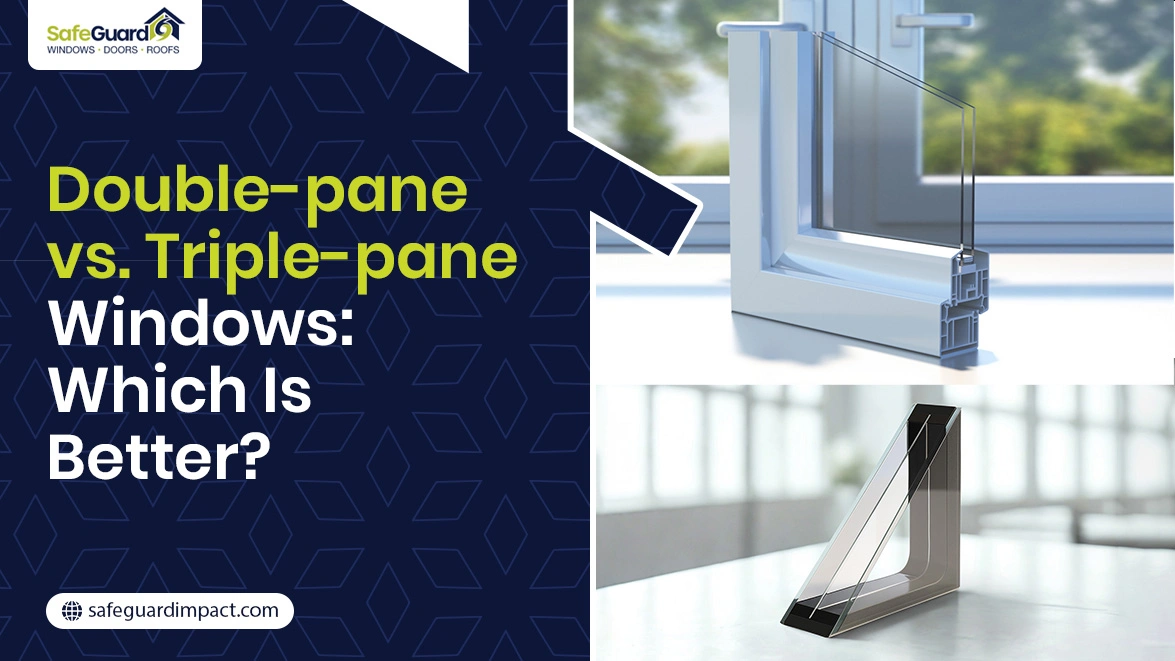
Thin, standard glass gets cold very quickly. Impact windows are different because they are made of multiple thick layers. These layers remain much closer to your room’s temperature. It is a long-term fix that stops fogging and lowers your energy bills.
Conclusion
Knowing how to avoid condensation on windows is mostly about changing small habits. You need to turn on the fans or open the windows to let out the stale, damp air. Simple stuff like choosing to dry clothes outside or making sure to cover boiling pots helps more than you’d think. You might even need to relocate your plants or use a dehumidifier if the house feels too sticky.
For larger issues, check the seals for leaks and add weatherstripping where you notice drafts. If your house is older, you can install storm windows. But if you want to be done with it, upgrade to impact windows and adjust the thermostat to keep things steady. At SafeGuard Impact, we handle every impact window installation with care to keep your home dry and clear.
FAQs
What can I put on my windows to stop condensation?
Try using anti-fog sprays or moisture-absorbing crystals, but moving the air around is the only real fix.
How do I stop condensation on my windows in the winter?
Keep your curtains open during the day so warm air can actually reach the glass and dry it off.
Why do I keep getting condensation on my windows?
It happens because warm air inside your home hits the cold glass and turns into water.