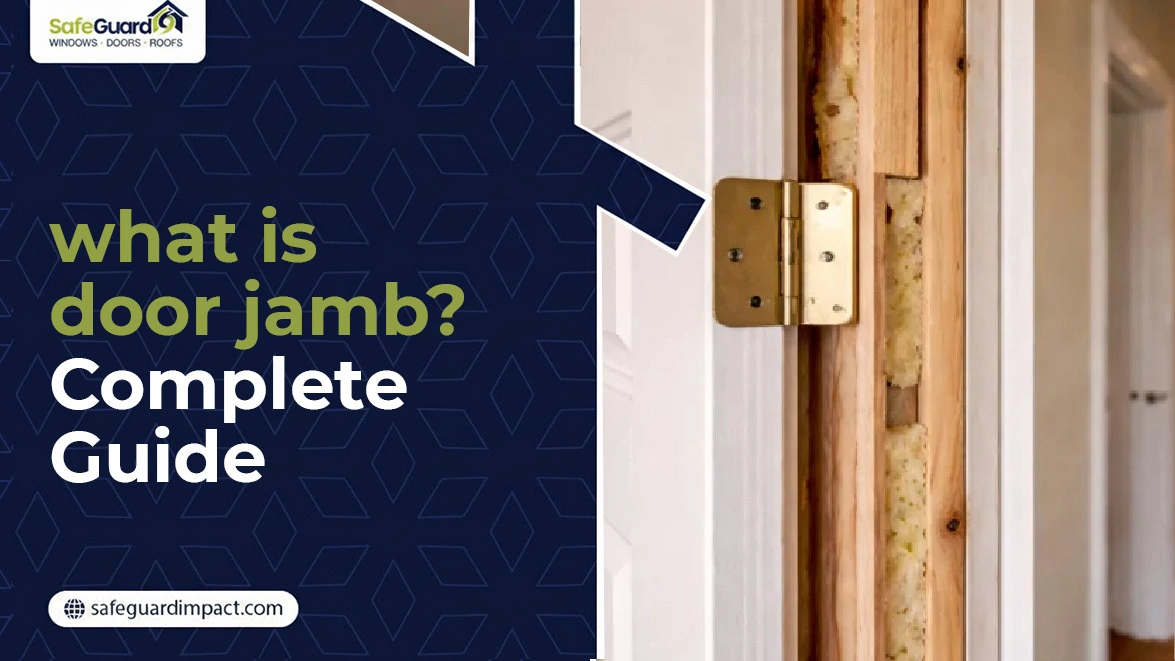



A door jamb is a key part of any door system. It forms the vertical and horizontal structure around the door opening. Builders rely on it for strength and alignment in every door frame system. It also supports smooth opening and closing of doors.
Modern homes depend on a properly installed jamb for safety and durability. It connects with studs and holds hardware like hinges and locks. Without it, doors lose alignment and stability. Understanding its structure helps improve repair and installation decisions in residential and commercial buildings.
Core Takeaways
- A jamb is part of the door frame assembly
- It includes vertical and horizontal structural pieces
- It supports hinges, locks, and sealing systems
- It improves insulation and reduces air gaps
- Proper installation prevents door misalignment issues
Understanding What a Door Jamb Refers To
A door jamb definition refers to the vertical sides and top section of a door frame. It forms the inner support structure that holds the door in place. Many guides like explain its structural importance in modern construction systems.
In simple terms, it is the backbone of a door opening frame. It connects directly to walls and supports all moving parts. It also ensures the door fits securely within the opening without shifting or sagging during daily use.
What Does a Door Jamb Do?
A door jamb function includes support, alignment, and security. It keeps the door stable and ensures proper movement within the frame.
It also holds hardware like hinges and strike plates. This allows the lock system to work correctly. Another key role is sealing gaps between the door and wall structure. That improves insulation and reduces noise transfer between rooms.
Components of Door Jamb
A door jamb system contains several structural parts that work together. Each component has a specific role in stability and performance. Understanding them helps in installation and repair work.
Head Jamb
The head jamb is the top horizontal section. It connects both side jambs and forms the upper frame support. It ensures the door stays level and aligned during operation.
Hinge Jamb
The hinge jamb is the side where hinges attach. It carries most of the door’s weight during movement. It must be strong and properly anchored into wall studs for long-term durability.
Strike Jamb
The strike jamb is located opposite the hinge side. It holds the lock strike plate. This section ensures secure locking and proper door closure alignment in the door frame structure.
Door Stop
The door stop is a small trim piece inside the jamb. It prevents the door from swinging too far. It also improves sealing and helps reduce air leakage around edges.
Types of Door Jamb
Door jambs come in different structural designs and material combinations. Each type supports specific installation needs and wall conditions in modern construction. Understanding these variations helps improve door frame installation efficiency and ensures better alignment, durability, and long-term performance in residential and commercial building projects.
Flat Jambs
Flat jambs are simple door frame components commonly used in basic installations. They use separate stop molding attached after fitting. These jambs are often made from wood, MDF, or metal materials.
Flat designs are easy to manufacture and install in standard openings. They provide flexibility during construction and allow quick adjustments. However, they depend on external stops for proper sealing and door alignment support.
Rabbeted Jambs
Rabbeted jambs include integrated stops built into the structure. This design improves door sealing performance and enhances alignment accuracy. They are commonly found in modern interior and exterior door systems.
These jambs reduce installation steps because stops are pre-cut. They improve structural precision and help maintain consistent door closure. Wood and engineered materials are commonly used for this type in residential construction.
Split Jambs
Split jambs are designed for adjustable installation in varying wall thickness conditions. They are widely used in renovation and remodeling projects. This type improves installation flexibility efficiency during fitting processes.
They consist of two interlocking sections that adjust easily to wall depth. Split designs simplify installation without heavy cutting or modification. They are commonly made from wood, MDF, or metal materials for versatile use.
Benefits of Door Jamb
A properly installed door jamb installation provides long-term structural and functional advantages. It improves performance, safety, and energy efficiency in buildings.
Structural Stability
A strong jamb improves door frame stability. It keeps the door aligned and prevents sagging over time. This ensures smooth daily operation without friction or misalignment issues.
Better Security
A reinforced jamb increases door security strength. It supports locks and hinges effectively. This makes forced entry more difficult and improves overall building safety.
Improved Insulation
A sealed jamb reduces air leakage. It enhances thermal insulation performance inside rooms. This helps maintain indoor temperature and reduces energy consumption in heating or cooling systems.
Noise Reduction
A well-fitted jamb improves sound insulation quality. It blocks external noise from entering rooms. This creates a quieter and more comfortable indoor environment.
Long-Term Durability
A quality jamb extends door lifespan durability. It reduces wear on hinges and frames. This minimizes repair costs and ensures consistent performance over time.
Conclusion
The door jamb structure system is essential in every building. It supports doors, ensures alignment, and enhances safety. It also improves insulation and long-term durability.
Understanding what is door jamb, its components and types helps in better installation decisions. Whether wood, metal, or prehung systems, each option serves specific needs. A well-built jamb ensures reliable performance in both residential and commercial spaces.
Feel free to contact SafeGuard Impact.
FAQ Section
What is the main purpose of a door jamb?
The main purpose of a door jamb function system is to support and align. It holds the door securely in place. It also ensures smooth opening and closing without structural issues or misalignment.
What materials are used for door jambs?
Common door jamb materials include wood, steel, and composite materials. Wood is used in homes. Steel is used in commercial buildings. Each material offers different strengths and durability levels.
How long does a door jamb last?
A door jamb’s lifespan depends on material and maintenance. Wood jambs last many years indoors. Steel jambs last longer in high-traffic areas. Proper installation improves durability and reduces replacement needs.