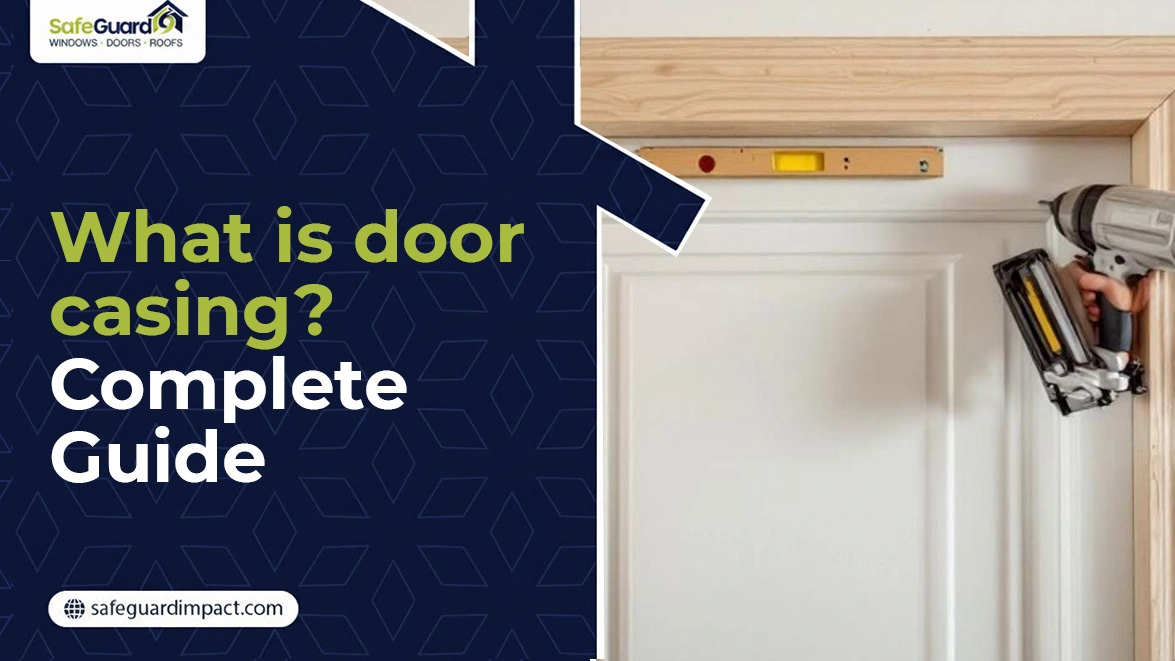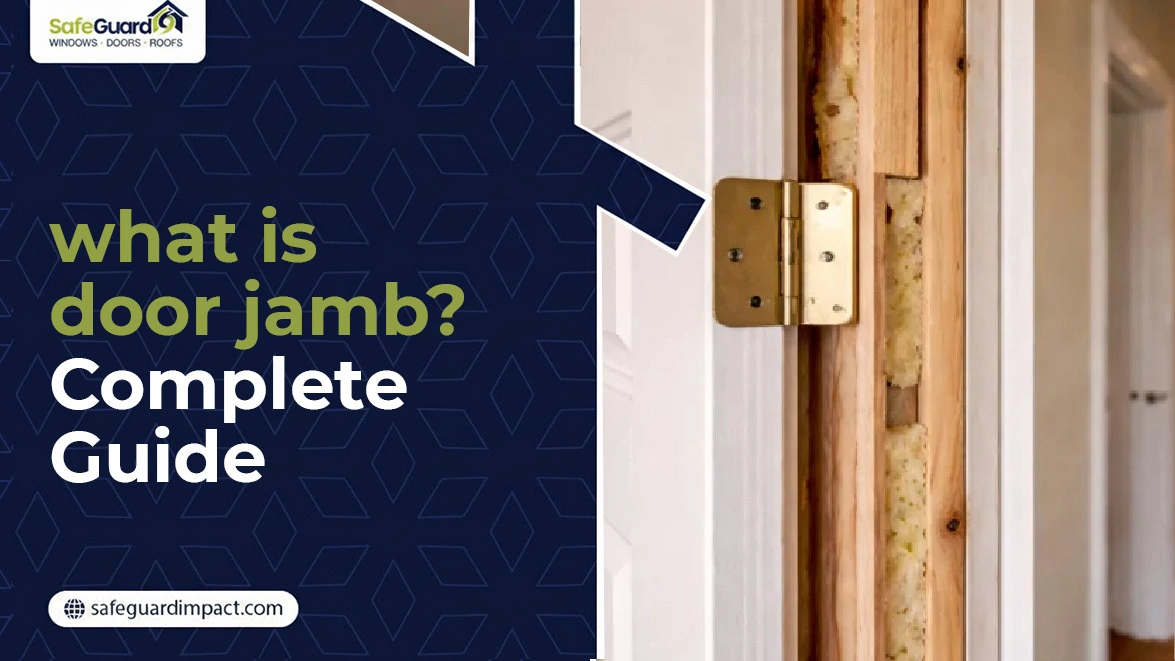



Door casing is the finishing trim installed around a door frame. It completes the visual structure of interior openings. It covers raw edges and hides gaps. Moreover, it connects the door to the surrounding walls in a clean architectural way. Interior trim design, door framing details, and finishing molding systems all define its role in modern spaces.
Core Takeaways
- Door casing is a key finishing element that frames doors and improves the interior structure.
- It hides construction gaps and also adds visual balance & durability.
- It also helps unify interior design across rooms and enhances property value.
What is Door Casing?
Door casing functions as a structural and decorative trim system that surrounds a door frame. It creates a transition between walls and doors while covering gaps left during construction. Interior framing systems, decorative molding trim, and wall finishing elements define its importance in both aesthetics and protection.
Components
Door casing consists of vertical side pieces and a horizontal top piece that together frame the door opening. These parts are precisely measured and joined to create symmetry. In advanced designs, corner blocks or plinth bases may also be added. The result is a structured border that improves alignment, balance, and overall interior finishing quality.
Materials
Materials used in door casing vary based on durability, cost, and design preference. Solid wood provides a premium natural finish. But requires maintenance. MDF offers a paintable surface at a lower cost. PVC works well in moisture areas due to its water resistance. Composite options combine strength and flexibility for modern architectural needs.
Purpose
Door casing primarily hides gaps between the wall and door frame and creates a finished appearance. It protects exposed edges from wear and damage over time. It also improves design continuity by framing openings in a way that enhances visual structure, proportion, and overall architectural consistency across interior spaces.
Common Door Casing Styles You Should Know About
Door casing styles define the personality of interior spaces. They influence how doors visually integrate with walls and overall architecture. Trim design categories, architectural molding styles, and interior finishing profiles vary widely. This allows homeowners to choose between traditional detail and modern simplicity.
Traditional Casing
Traditional casing features detailed profiles with layered edges that create depth and elegance. It is commonly used in classic homes where decorative detail matters. The design often includes curved moldings and ornate shapes that enhance visual richness. It works well in formal interiors that require a refined architectural identity.
Modern Minimalist Casing
Modern minimalist casing focuses on clean geometry and simple flat surfaces without decorative detailing. It blends seamlessly into contemporary interiors where simplicity is preferred. This style reduces visual clutter while maintaining structure around door openings. It is ideal for modern apartments and open-plan layouts that prioritize clarity and space.
Craftsman Style Casing
Craftsman casing emphasizes natural materials and bold proportions with subtle stepped detailing. It highlights wood texture and handcrafted aesthetics. This style creates a warm and grounded feel in interiors. It is often used in bungalow-style homes. Ones where architectural honesty and material expression are central to design philosophy.
Colonial Style Casing
Colonial casing is defined by symmetry and balanced proportions with layered trim profiles. It reflects traditional architectural heritage and structured design principles. This style adds elegance and formality to interior spaces.
It is commonly used in homes that follow classic design traditions with consistent detailing across rooms.
Contemporary Hybrid Casing
Contemporary hybrid casing blends modern simplicity with light decorative elements.
It adapts easily to transitional interiors where multiple design styles coexist. This flexibility makes it suitable for evolving home designs. It maintains clean lines as it adds subtle detail that enhances visual interest.
Why Is Door Casing Important? | 5 Undeniable Benefits
Door casing plays a crucial role in both function and aesthetics. It protects structural elements while enhancing interior design consistency. Interior protection systems, decorative trim benefits, and architectural finishing advantages show why casing is considered essential in both residential and commercial construction environments.
Structural Protection
Door casing protects vulnerable edges of drywall & door frames from daily impact. Without it these areas would chip or crack over time. It acts as a “buffer” that absorbs wear. And it also extends the lifespan of interior surfaces. This is especially important in high-traffic areas. Like hallways and entry points.
Aesthetic Enhancement
Casing transforms plain door openings into defined architectural features. It adds structure, depth as well as visual balance to interior spaces. Doors can look unfinished or disconnected from walls without casing.
Proper installation creates a refined appearance. One that elevates overall interior design quality. And it improves spatial perception throughout the home.
Gap Coverage
Door casing hides uneven gaps between door frames and walls caused during construction. These gaps can make interiors look incomplete if left exposed. Casing ensures smooth transitions & edges. It also prevents dust buildup in small openings. Moreover, it maintains a polished & professional finish across all doorways.
Design Consistency
Consistent casing design creates harmony across multiple rooms. It connects doors, walls & trim elements into a unified interior style. This improves flow and visual coherence throughout the property. Casing ensures every space feels intentionally designed and architecturally aligned.
Value Addition
Well-installed door casing increases perceived property value by improving finishing quality. Buyers often associate detailed trim work with higher construction standards. It creates a strong first impression. Especially during property viewings. This makes casing a cost-effective upgrade. One that enhances both aesthetic appeal as well as resale potential.
Average Cost of Door Casing Service
Door casing cost depends on materials, labor quality, and design complexity. Basic installations using MDF are usually affordable and widely used in standard homes. Premium wood or custom designs increase cost due to material pricing and skilled workmanship. Overall pricing varies based on project size and finishing requirements.
Factors Affecting Door Casing Costs
Material Type
Material choice significantly affects total cost. Wood is premium and expensive. Then MDF and PVC are more affordable. Each material also differs in durability, maintenance needs, and visual finish. Selection directly impacts both short-term budget and the long-term performance of the installation.
Design Complexity
Simple casing designs cost less due to reduced labor and cutting requirements. Complex profiles require precision shaping and additional time. Custom detailing increases material usage and installation effort. This makes design complexity a major factor in overall project budgeting.
Labor Expertise
Skilled carpenters charge higher rates due to precision requirements. However, professional installation ensures better alignment and durability. Poor workmanship can lead to gaps or uneven finishing. Investing in experienced labor improves long-term quality and reduces future repair costs.
Project Size
The number of doors directly affects the total installation cost. Larger projects require more materials and extended labor hours. While bulk installations may offer slight efficiency, overall expenses still rise with scale. Proper planning helps manage budget expectations effectively.
Finishing Requirements
Painting, staining, or sealing adds additional cost to installation. These finishing steps improve durability and appearance. The level of detail required affects both time and materials. Higher quality finishes result in longer-lasting and more visually refined results.
What’s Included in the Door Casing Installation Process?
Measurement and Planning
Accurate measurement ensures proper fitting around each door frame. Installers assess dimensions carefully to avoid misalignment. Planning includes material selection and layout preparation. This step forms the foundation for precise and efficient installation outcomes.
Material Preparation
Materials are cut and shaped according to measurements before installation begins. This improves accuracy and reduces on-site adjustments. Proper preparation ensures a smoother workflow and faster installation without compromising quality or alignment consistency.
Frame Alignment
Casing is positioned carefully around the door frame to ensure symmetry. Proper alignment is critical for visual balance and professional appearance. Even small deviations can affect final results. This step ensures clean and structured framing.
Installation and Fixing
Casing is secured using nails, adhesives or screws, depending on material type. Installers ensure firm attachment while maintaining precision. Proper fixing guarantees stability and prevents shifting or loosening over time.
Final Finishing
Final finishing includes sanding, painting or sealing the casing surface. This step enhances appearance and protects the material from damage. It ensures a polished look that blends seamlessly with interior walls.
Conclusion
Door casing is the finishing trim that defines how complete and refined a door appears in any interior space. It hides structural gaps, protects edges, and enhances overall design consistency.
From materials to styles and installation, every detail contributes to both function and aesthetics. In simple terms, door casing is essential for achieving a polished, durable, and professionally finished interior environment.
Feel free to contact SafeGuard Impact.
FAQ Section
Can door casing be installed during renovation only?
Not really. It can be installed in both new builds + renovations. It is commonly added after door installation. Just to complete the finishing process. It can also be replaced independently without changing the door structure.
How long does door casing last?
Door casing can last for many years. It depends on material quality & maintenance. Wood may require upkeep. Whereas PVC and composite materials last longer with minimal care. Proper installation also plays a key role in extending lifespan.
Is door casing necessary in modern minimalist homes?
Yes, even minimalist homes use casing. But in simplified forms. Modern designs often prefer flat & subtle trims. It maintains structural finishing while keeping visual simplicity intact.